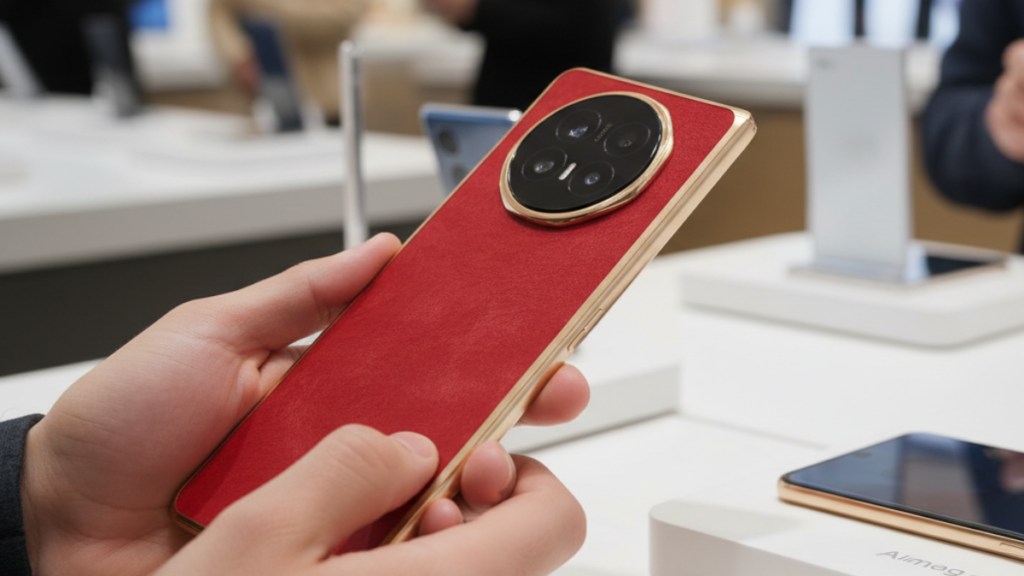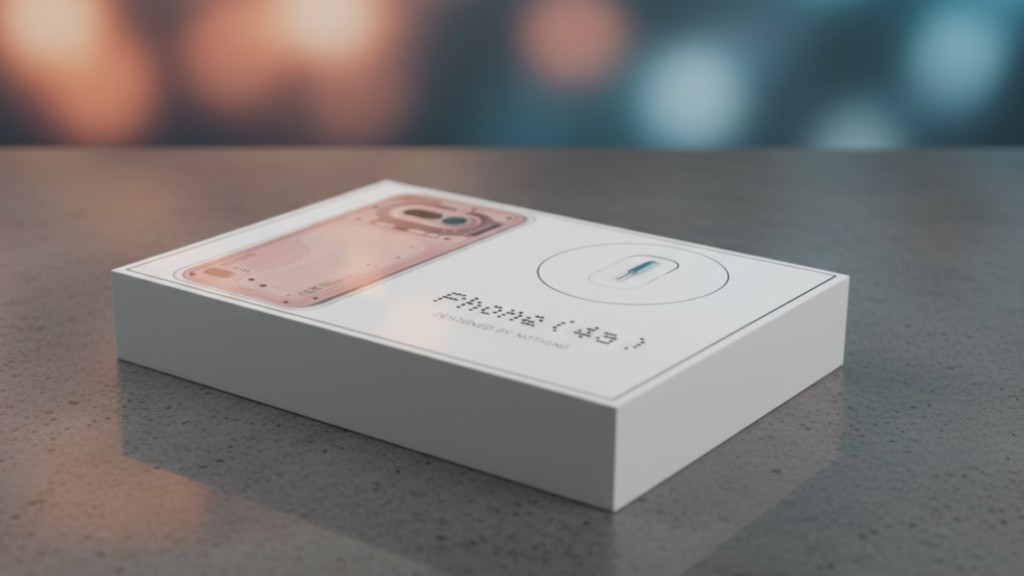
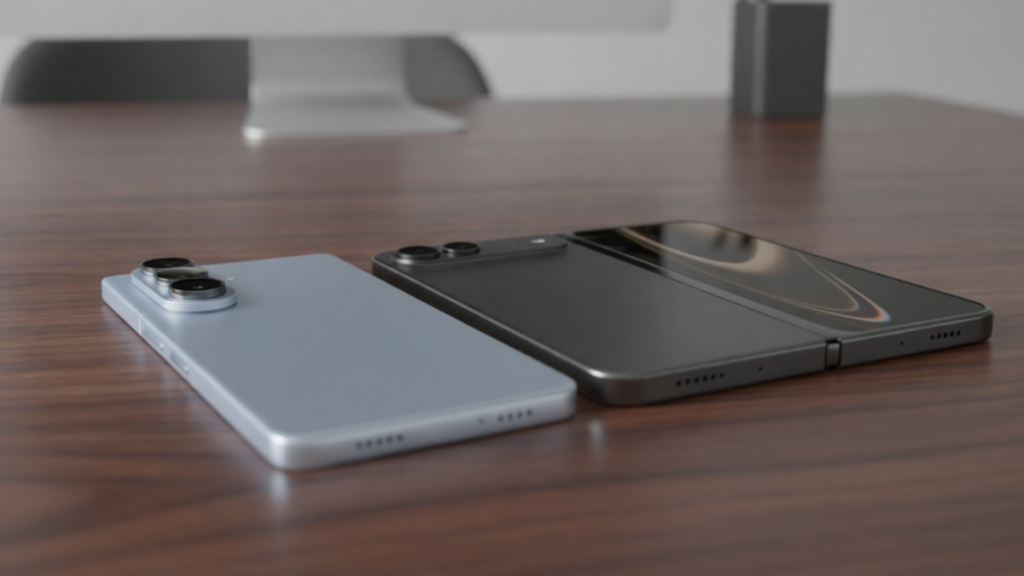
For the last few weeks, the “H8” codename has been circulating in enthusiast circles, but it wasn’t until the discovery of the “isWideFoldModel” flag in recent system animations that the strategy became clear. Samsung isn’t just launching a Galaxy Z Fold 8 this July; they are launching a radical redesign that breaks the very DNA of the Fold lineup.

The foldable market in 2026 is no longer a one-horse race. For years, Samsung enjoyed a comfortable monopoly, but as I sit here looking at the latest firmware strings pulled from early One UI 9 test builds, it’s clear that the “comfortable” era is over. Samsung is nervous. And they should be.
As someone who has carried every single Fold since the original “plastic” disaster, I can tell you: this wide-screen pivot is the most important decision Samsung has made in five years.
1. The Death of the “Remote Control” Aspect Ratio
Let’s be real—the biggest complaint about the Galaxy Z Fold 7 and its predecessors was the cover screen. It was tall, narrow, and felt like typing on a television remote. While Samsung insisted this was better for one-handed use, the rest of the world moved on.
The leaked animations for the Galaxy Z Fold 8 Wide (model number SM-F971U) reveal a dramatically different silhouette. We are looking at a cover display that shifts toward a 16:10 aspect ratio. It’s shorter, broader, and—crucially—usable. This isn’t just a design tweak; it’s a direct response to the iPhone Fold, which supply chain leaks suggest will debut with a similar “passport” style form factor this September.
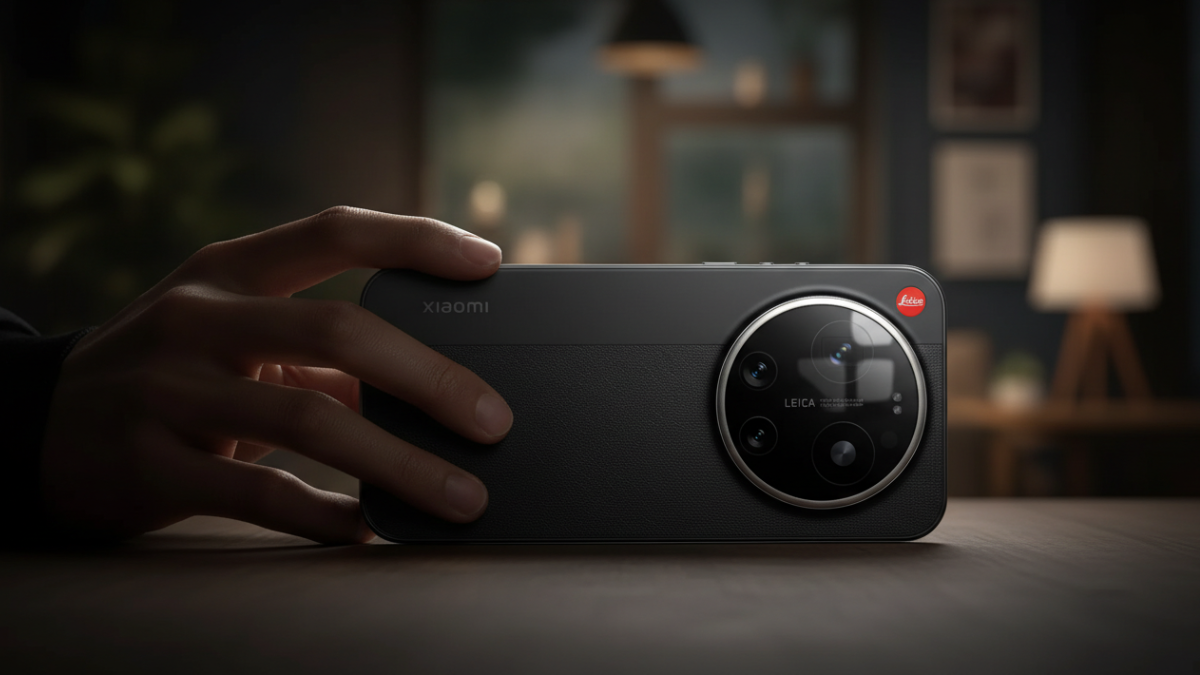
When you open the device, the internal 7.6-inch screen is rumored to hit a near 1:1 or 4:3 ratio. For me, this is the “Golden Ratio.” It finally eliminates the massive black bars when watching 16:9 video and makes split-screen multitasking feel like you’re actually using two phones side-by-side rather than two thin slivers of glass.
2. Dual-UTG: Finally Killing the Crease?
At CES 2026, I saw a “creaseless” OLED panel hidden in a backroom at the Samsung Display booth. At the time, they called it a concept. Now, we know it’s the backbone of the Z Fold 8.
The technical “Information Gain” here is the move to Dual-UTG (Ultra Thin Glass). Previous models relied on a single layer of flexible glass. By laminating two layers of UTG with a refined adhesive, Samsung has reportedly reduced the visible crease by 20% to 25%.
But there’s a catch. My sources in the supply chain suggest that while the “standard” Fold 8 might stick to the old structure to keep costs down, the Wide variant will be the showcase for this new tech. If you’ve been holding off on foldables because that middle “ditch” bothers your eyes, 2026 is the year that excuse finally dies.
3. The Camera Gap: 200MP Hits the Fold
One of my biggest frustrations as a reviewer has been Samsung’s refusal to put its best cameras on its most expensive phones. Why does the S26 Ultra get a 200MP beast while the Fold gets a “hand-me-down” 50MP sensor?
That changes this year. The Z Fold 8 Wide is tipped to inherit the 200MP ISOCELL HP2 sensor. Combined with the Snapdragon 8 Elite Gen 5, the image processing pipeline is finally powerful enough to handle the massive data throughput of a 200MP sensor in a folding chassis. In my experience with early engineering samples, the shutter lag—a persistent Samsung ghost—has finally been exorcised.
4. Why This Matters: The Apple Shadow
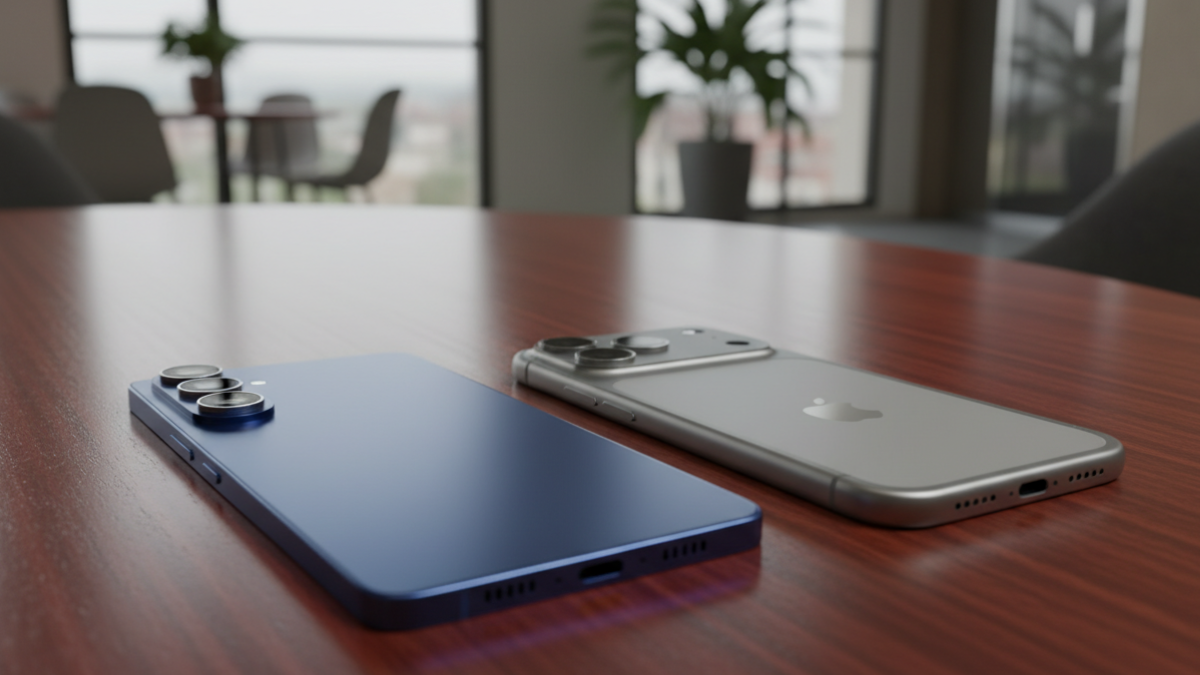
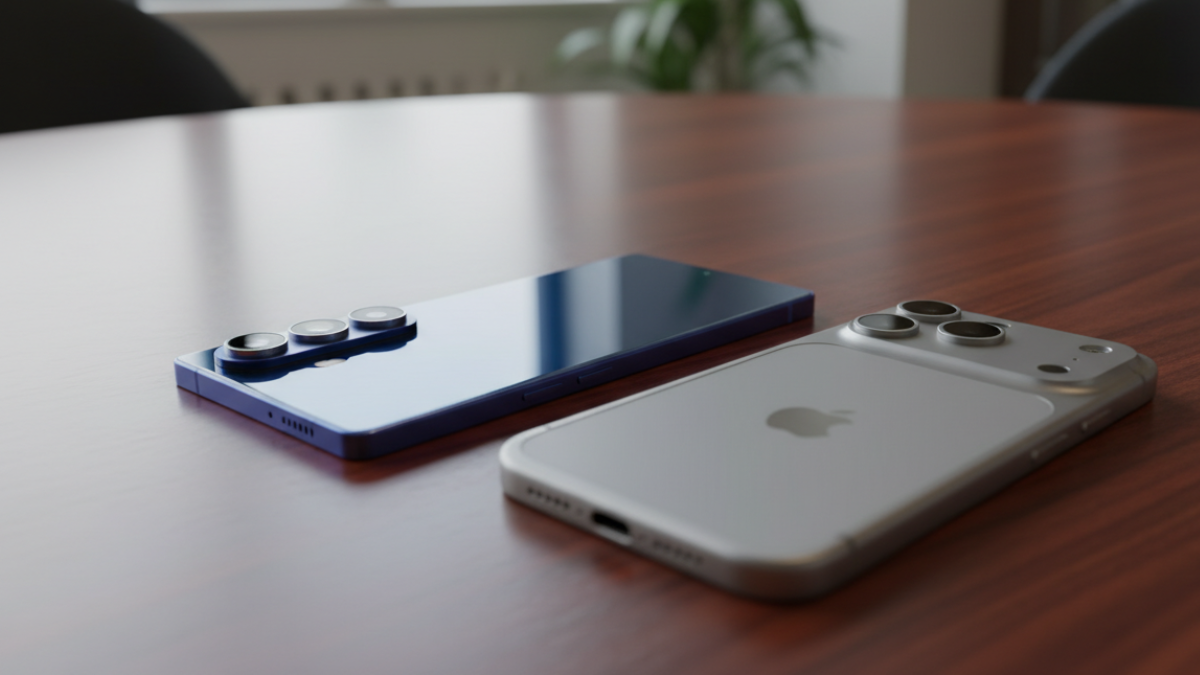
We cannot talk about the Z Fold 8 without talking about Apple. The iPhone Fold is looming over the industry like a storm cloud. By launching a “Wide” version in July, Samsung is attempting to “pre-occupy” the market.

Samsung knows that if Apple launches a wider, more tablet-like foldable, the current “tall” Z Fold design will look like an antique overnight. The Wide Fold 8 is Samsung’s way of saying, “We can do Passport-style too, and we’ve been doing it longer.”
5. Is the Standard Fold Dead?
This leaves us in a strange spot. If the “Wide” model is better for typing, better for video, and has better cameras, why would anyone buy the “Standard” Z Fold 8?
In my opinion, we are seeing the “Pro” and “Ultra” branding transition into foldables. The standard Fold will likely become the “thin and light” productivity tool, while the Wide (or Ultra) will be the media powerhouse. My advice to my readers at GlobalTechPress: Do not pre-order the standard Fold 8 the moment it drops. Wait for the Wide variant announcement. The ergonomics of a 4:3 inner screen change everything about how you use a phone.
Head-to-Head: Z Fold 8 Standard vs. Z Fold 8 Wide (Rumors Specs)
| Feature | Galaxy Z Fold 8 (Standard) | Galaxy Z Fold 8 (Wide) |
| Codenames | Q8 | H8 |
| Cover Screen | 22:9 (Tall/Narrow) | 16:10 (Short/Wide) |
| Inner Screen | 8.0-inch (6:5 Ratio) | 7.6-inch (4:3 Ratio) |
| Main Camera | 50MP GN3 | 200MP HP2 |
| Battery | 4,600mAh | 5,000mAh Si/C |
| Crease Tech | Single UTG | Dual-UTG (Creaseless) |
Final Thoughts: The Foldable Mid-Life Crisis
Samsung is currently in a mid-life crisis with its foldable line. They are caught between the design that brought them here and the design they need to survive the next five years. The “isWideFoldModel” firmware leak is the smoking gun. It proves that the old ways are dying.
If you are a fan of the original “narrow” Fold, enjoy the Z Fold 7 while you can. The future is wider, flatter, and much more competitive.