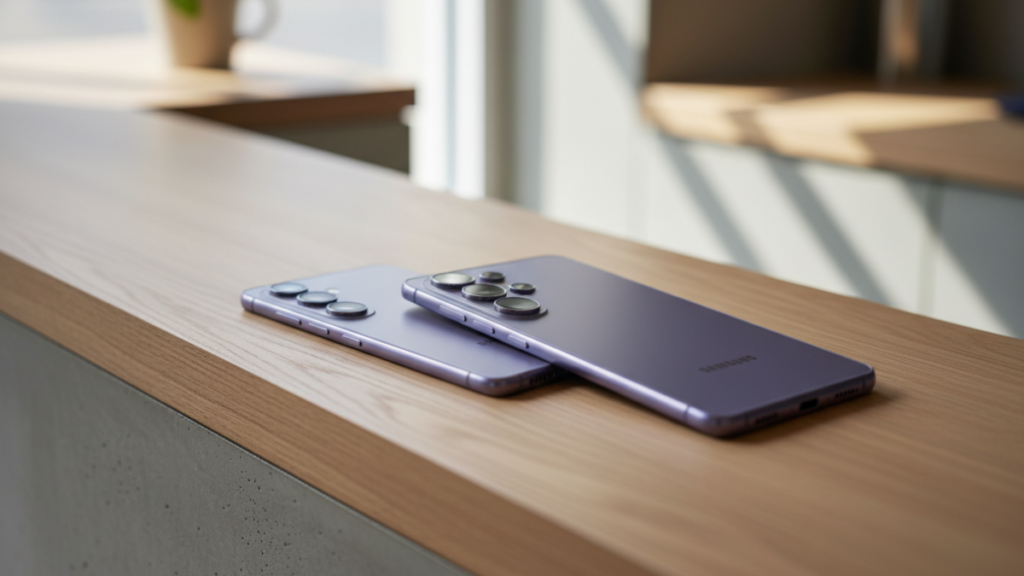

New leaks for the Google Pixel 11 Pro reveal a 2nm Tensor G6 chip and a radical 7-core design. Is Google finally fixing the Pixel’s thermal issues?

Google Pixel 11 Pro Leak Surface: Tensor G6’s 2nm Architecture and the New “AI Thermal” Solution
While the tech world is currently obsessed with the launches at MWC 2026, a massive leak out of Google’s supply chain in Taiwan has just shifted my focus toward the fall.
We are still months away from the official reveal, but the first concrete details for the Google Pixel 11 Pro have surfaced, and they point to the most significant hardware redesign in the history of the Pixel line.

For years, the Achilles’ heel of the Pixel has been its “Tensor” silicon—specifically issues with sustained performance and thermal throttling. However, the latest data regarding the Tensor G6 (codenamed “Kodiak”) suggests that Google is finally ready to compete with Apple and Qualcomm on a purely architectural level.
The Tensor G6: A Radical 7-Core Gamble
The most startling revelation from the leaked Geekbench 7 listings is the core configuration. Most modern flagships use an 8-core or even 10-core setup. According to the leaks, the Tensor G6 is moving to a 7-core architecture.
This might sound like a downgrade, but here is the technical reality: by using a 7-core design on TSMC’s cutting-edge 2nm process, Google is reportedly sacrificing one efficiency core to make room for a massive increase in the NPU (Neural Processing Unit) size.

This tells me that Google is no longer interested in winning “Multi-core” benchmarks. They want to win the “AI Throughput” war. In my time testing AI-heavy phones, I’ve noticed that raw CPU speed matters less than how quickly the NPU can process a voice command or a photo edit.
The “AI Thermal” Solution: Cool Under Pressure?

Every Pixel owner knows the feeling of their phone getting warm during a simple 4K video recording or a long navigation session. The Pixel 11 Pro is rumored to debut what Google is internally calling the “AI Thermal Management Engine.”
Unlike traditional thermal throttling—which simply slows down the CPU when it gets hot—this system uses machine learning to predict heat spikes before they happen.

By analyzing your usage patterns, the Tensor G6 can redistribute tasks across its cores to keep the chassis temperature under 40°C even during heavy gaming. If this actually works in the final retail units, it will be the single biggest reason for Pixel 10 owners to upgrade.
Google Pixel 11 Pro: Leaked Specifications (Preliminary)
| Component | Leaked Specification |
| Chipset | Google Tensor G6 (2nm TSMC) |
| CPU Structure | 7-Core (1x Prime, 3x Performance, 3x Efficiency) |
| RAM | 16GB / 20GB LPDDR6 |
| Display | 6.7-inch Actua Display 3 (up to 4,500 nits) |
| Biometrics | Under-display IR Face Unlock + Ultrasonic Fingerprint |
| Main Camera | 50MP Sony LYT-900 (1-inch type sensor) |
| Battery | 5,100 mAh with “Graphene Heat Spreader” |
Biometrics: The End of the “Pill” Cutout?
One of the most exciting design leaks involves the front-facing camera. For years, Google has relied on a simple hole-punch camera with software-based Face Unlock. The Pixel 11 Pro leaks suggest Google has finally perfected Under-display IR (Infrared) technology.
This would allow for “Class 3” secure face biometrics (safe for banking and payments) without the need for a large notch or a pill-shaped cutout. Imagine a completely clean 6.7-inch display with no visible camera hole. It’s a “holy grail” of smartphone design that Apple has been chasing for years, and it looks like Google might beat them to the punch in 2026.
Camera: The 1-Inch Sensor Arrives
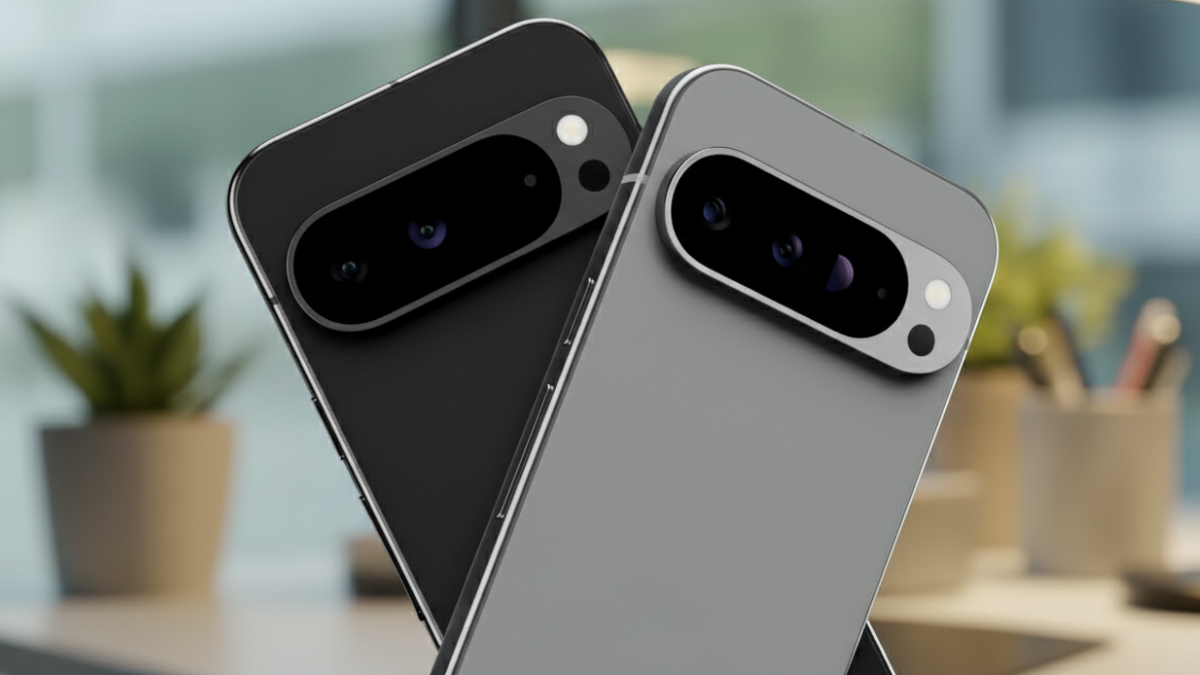
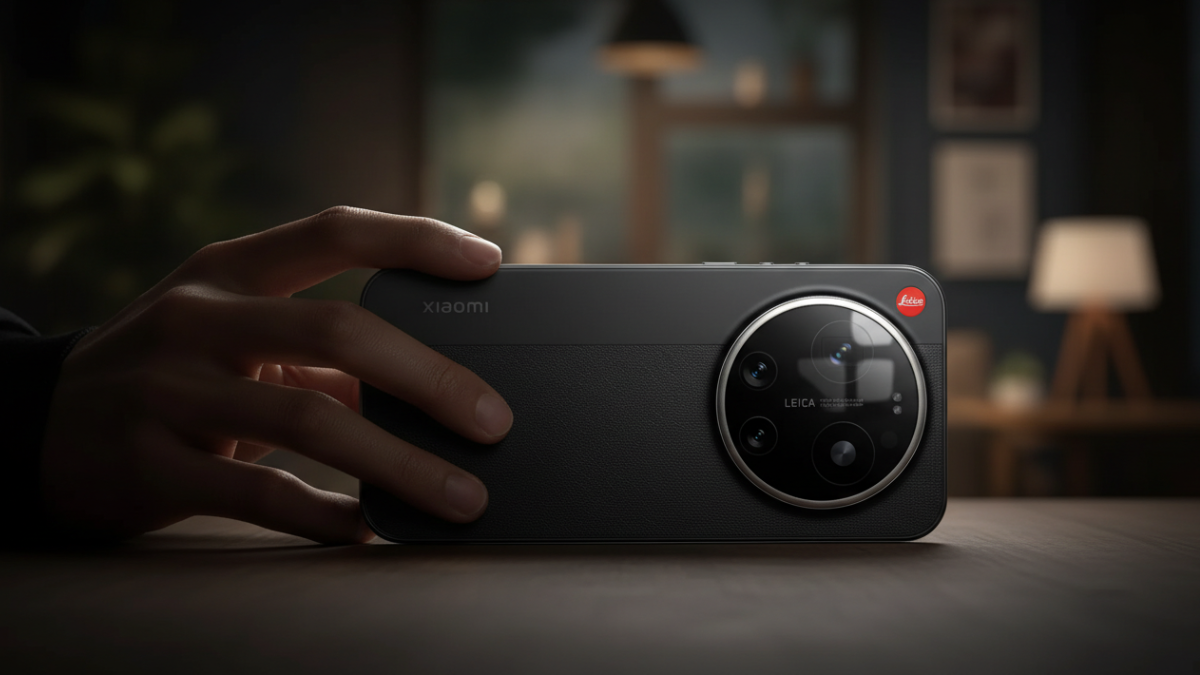
While the Pixel’s strength has always been its “Computational Photography,” the hardware has sometimes lagged behind Chinese rivals like Xiaomi. The leaks indicate the Pixel 11 Pro will finally adopt the Sony LYT-900 1-inch sensor for its main camera.
Pairing Google’s superior HDR+ algorithms with a 1-inch sensor is a terrifying prospect for the competition. In my opinion, the current Pixel 10 Pro already takes the best-looking skin tones in the industry; giving that software a larger physical sensor to play with will likely result in a “DSLR-killer” level of depth and low-light performance.
My thought: Is the Hype Real?
We have to be careful with early March leaks for an October phone, but the consistency of these reports from multiple supply-chain sources in Taiwan (where the Tensor G6 is being developed) makes them hard to ignore.
Google seems to be moving away from trying to be a “balanced” phone and is leaning into being an AI Supercomputer. The 7-core design is a risk, but if the 2nm efficiency allows for 2-day battery life and the “AI Thermal” system finally fixes the overheating issues, the Pixel 11 Pro could be the most refined Android phone of the decade.
Author Note: This report is based on leaked Geekbench data and supply-chain reports as of March 3, 2026. Official specs will be confirmed by Google later this year.