The first CAD renders of the Pixel 11 Pro Fold dropped yesterday. At 10.1mm folded, it is still significantly thicker than the Galaxy Z Fold 7. And that might be exactly the point.

IMPORTANT DISCLAIMER: This article is based entirely on leaked CAD renders. Nothing is officially confirmed by Google. Every claim is clearly labeled as a leak or rumor.
The First Leak Just Dropped, Five Months Early
It’s already Pixel 11 leak season, with the first CAD based renders of the upcoming Pixel 11 Pro Fold having just hit the web to reveal a device that, frankly, doesn’t look all that different.
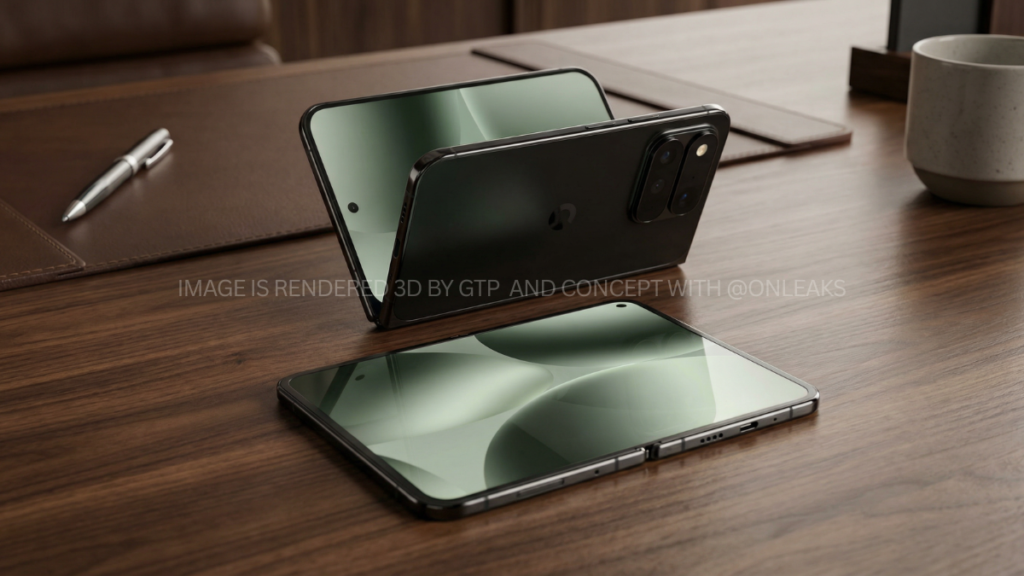
Leaker @OnLeaks obtained and shared new renders of the Pixel 11 Pro Fold through Android Headlines, which are based on CAD drawings used for developing accessories for the device.
I am Ameer Hamza, and at Global Tech Press, we have spent the last 12 hours going through every published render and every dimension from this leak. And the reaction across the internet has been almost unanimous: disappointment.
But I think people are missing the bigger picture entirely. Incremental releases have become the dominant mode across flagship Android, and if these leaks are accurate, the Pixel 11 Pro Fold fits that rhythm without apology.
So let me walk you through what actually changed, what stayed the same, and why Google’s decision to stay thicker than everyone else might be the smartest move in this year’s foldable race.
What the CAD Renders Actually Show
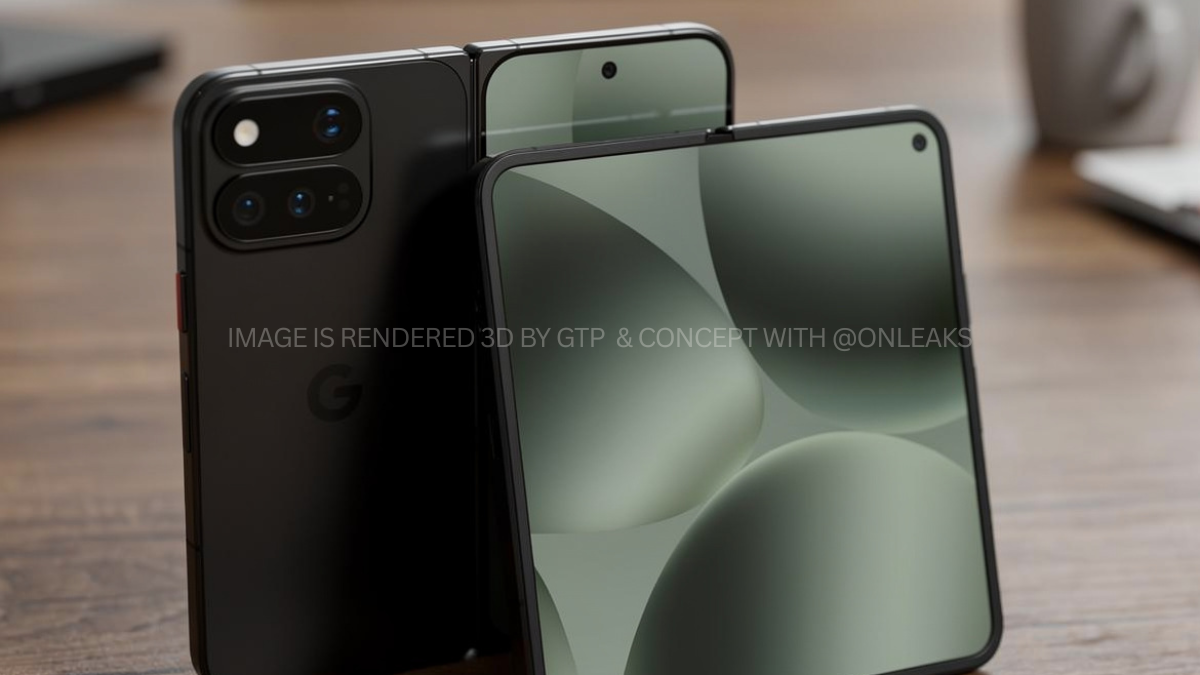
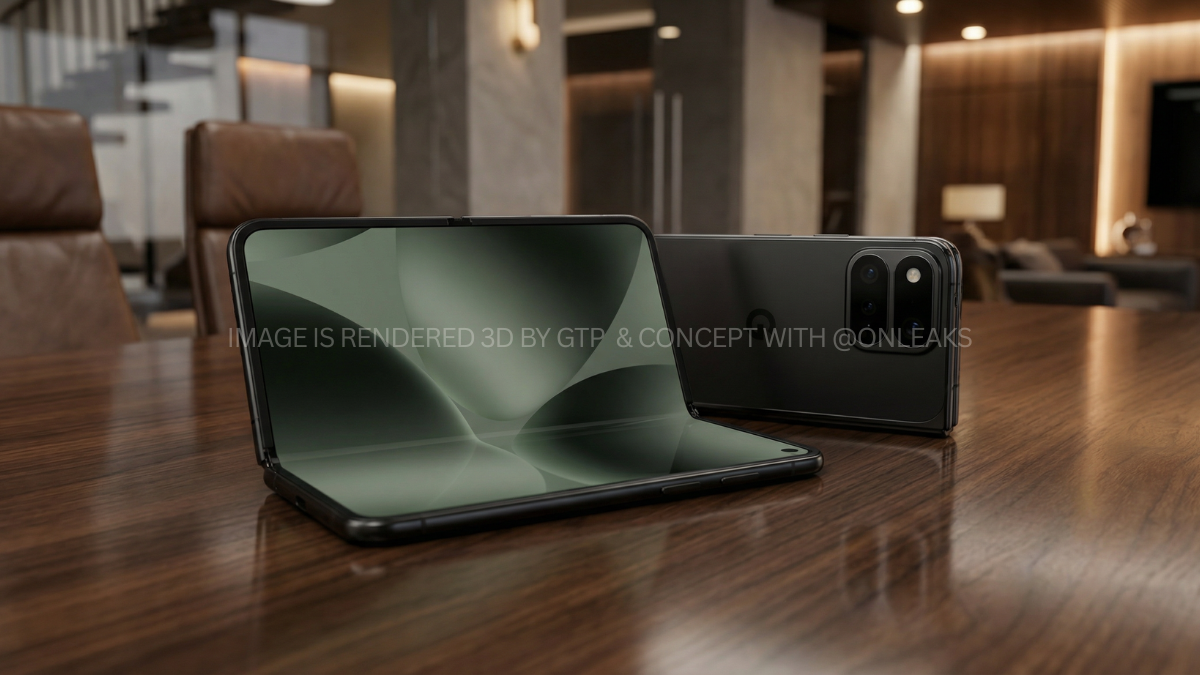
At first glance, you’d be forgiven for thinking this is the Pixel 10 Pro Fold, given that there are barely any distinguishable changes to the core design. The front of the Pixel 11 Pro Fold will look virtually identical to the Pixel 10 Pro Fold and the Pixel 9 Pro Fold. Elsewhere, we’re seeing no major changes, including in the placement of the speaker grill and the USB C port.
The cover display still has a centered hole punch selfie camera. The inner display still uses a top right positioned selfie camera. The overall silhouette is the same book style form factor Google has used since the original Pixel Fold.
The Camera Island Got a Subtle but Smart Redesign
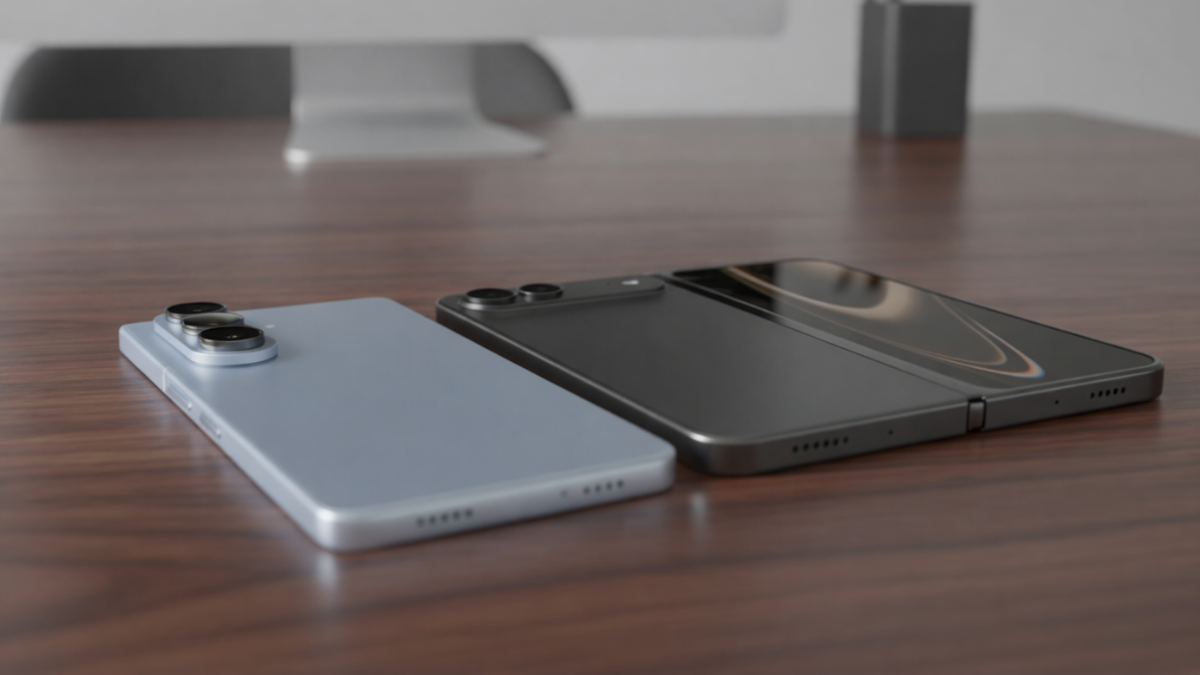
The most easily identifiable difference is the camera island. It appears that the flash and microphone have been relocated to the left and now appear inside the pill shaped cutout. That extra bit of metal where the flash and microphone used to sit has been shaved off, giving the island a sleeker look. The result looks like a cleaner, more coherent module, one designed with intent rather than assembled around constraints.

It is a small change. But it is the kind of detail that matters when your phone spends most of its time sitting face down on a desk or table. Camera bumps are the first thing people actually see on a folded phone sitting on a table, so even a subtle improvement registers.
The Thickness: 10.1mm Folded, and That Is a Deliberate Choice
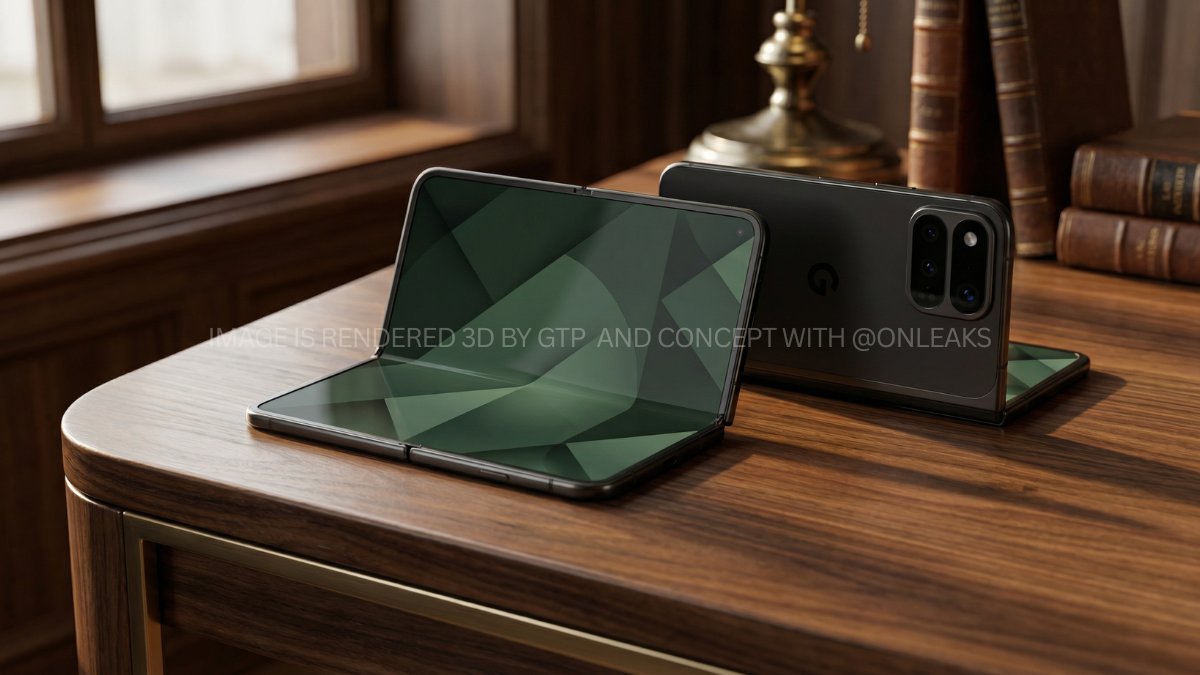
Here is the number that has the internet frustrated. In terms of dimensions, the Pixel 11 Pro Fold is only slightly thinner than the previous generation, dropping to 10.1mm folded and 4.8mm unfolded. That’s down from 10.8mm folded and 5.2mm unfolded on Pixel 10 Pro Fold, and also thinner than the Pixel 9 Pro Fold which was 10.5mm and 5.1mm, respectively.
So Google shaved 0.7mm off the folded thickness. That is progress. But here is the context that makes people upset.
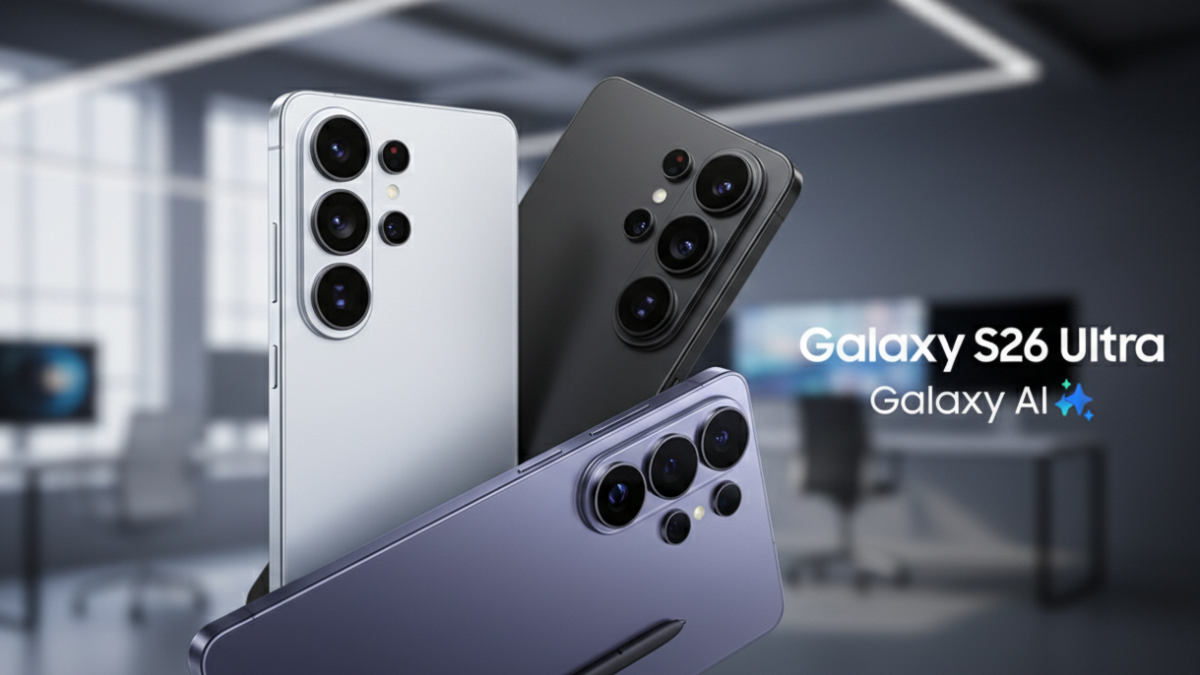
While this is a welcome addition, it still lags behind the Galaxy Z Fold 7, which measures 8.9mm when folded and 4.2mm when unfolded. It’s still nowhere near the sub 9mm thickness of competing foldables like the Galaxy Z Fold 7, Honor Magic V6, and others, but progress is progress.
Why Google Might Be Staying Thick on Purpose
Here is the detail most publications are burying at the bottom of their articles.
Other Pixel 11 series leaks suggest that Google may be switching to a modem from MediaTek (the Pixel 10 still uses a Samsung modem), as well as possibly integrating new face unlock hardware, the latter potentially being a good reason for the foldable to remain on the thicker side.
That is a significant clue. Google has a project reportedly codenamed “Toscana” that would bring Face ID style 3D face unlock hardware to the Pixel 11 series. If the Pixel 11 Pro Fold is indeed getting this hardware, it would require additional sensors in the bezel area that simply cannot fit in an ultra thin chassis.

Samsung went thin with the Galaxy Z Fold 7 at 8.9mm. But Samsung also does not have 3D face unlock hardware. If Google delivers genuine Face ID level security in a foldable, the extra millimeter of thickness would be more than justified.
The Dimensions That Stayed Exactly the Same
The height of Google’s foldable remains unchanged between generations at 155.2mm. Likewise, the Pixel 11 Pro Fold retains a 150.4mm width when unfolded, which is said to correspond to a 76mm width in the device’s fold state. Google has shaved 0.7mm too, which should see the Pixel 11 Pro Fold spanning 10.1mm and 4.8mm each side. The thinning happens entirely in depth, which means the familiar footprint would stay intact for existing Pixel Fold users considering an upgrade.
This means existing Pixel 10 Pro Fold cases, stands, and magnetic accessories may not fit perfectly due to the thickness change, but the overall footprint remains familiar.
What We Expect Under the Hood: Tensor G6
The renders do not reveal internal specs. But based on separate Pixel 11 series leaks, we can piece together what the Pixel 11 Pro Fold will likely carry.
A Geekbench listing has revealed what could be the Google Tensor G6 (codenamed “Kodiak”), featuring an unusual 7 core setup: one Arm C1 Ultra core at 4.11GHz, four C1 Pro cores at 3.38GHz, and two C1 Pro cores at 2.65GHz, alongside a PowerVR C Series GPU. The Google Tensor G6 processor could pack a Titan M3 security chip, according to a new leak.

This would be the first big security chip upgrade for Pixel phones since the Titan M2 in 2021. Mystic Leaks also claimed that Google could use the MediaTek M90 modem instead of Samsung’s Exynos modems. We also heard a rumor that the Tensor G6 could be produced via TSMC’s 2nm manufacturing process.
Do keep in mind that all of these chipset details are early leaks and should be treated as unconfirmed until Google makes an official announcement.
The Competitive Landscape: iPhone Fold, Galaxy Z Fold 8, and Razr Fold
This is the part that should concern Google the most.
The Pixel 11 Pro Fold will almost surely go on sale after a Galaxy Z Fold 8 that sounds positively dreamy in essentially all of the reports so far, as well as roughly at the same time as a foldable iPhone that’s widely expected to instantly invigorate the entire market segment.
The Pixel 10 Pro Fold launched at $1,799, and if current market conditions hold, the new model could land at or above that number. The Galaxy Z Fold 7 sits at $1,999 and the new Motorola Razr Fold is at EUR 1,999, so premium foldables have settled into a price tier that treats four figures as a floor.
At nearly $1,800, the Pixel 11 Pro Fold needs to offer something the competition cannot. Raw thinness is clearly not going to be it.
What Google can offer is the cleanest software experience, the best computational photography in a foldable, potentially Face ID level face unlock security, and seven years of guaranteed updates. Whether that is enough to compete with Apple’s first ever foldable iPhone and Samsung’s eighth generation Fold remains to be seen.
What Carries Over from the Pixel 10 Pro Fold
Since the Pixel 11 Pro Fold renders show minimal external changes, it is reasonable to expect these Pixel 10 Pro Fold specs to carry forward in some form:
| Spec | Pixel 10 Pro Fold (Current) | Pixel 11 Pro Fold (Expected) |
|---|---|---|
| Inner Display | 8 inch Super Actua Flex, 120Hz, 3000 nits | Likely similar or slightly larger bezels reduction |
| Cover Display | 6.4 inch Actua, 120Hz, 3000 nits | Likely similar with thinner bezels |
| Rear Camera | 48MP wide, 10.5MP ultrawide, 10.8MP 5x telephoto | Possibly upgraded (unconfirmed) |
| Battery | 5,015mAh | Expected same or slightly larger |
| Charging | 30W wired, 15W Qi2 wireless (PixelSnap) | Expected similar |
| Chipset | Tensor G5 | Tensor G6 (rumored, 7 core, TSMC 2nm) |
| Durability | IP68 | Expected IP68 |
| Folded Thickness | 10.8mm | 10.1mm (leaked) |
| Unfolded Thickness | 5.2mm | 4.8mm (leaked) |
| Price | $1,799 (256GB) | ~$1,500 to $1,800 (unconfirmed) |
Note: The Pixel 11 Pro Fold specs above are based on leaks and educated expectations. Nothing is officially confirmed by Google.
My Honest Take on This Leak
These sorts of leaks are usually fairly accurate, but it’s always worth taking it with a grain of salt given the handful of times we’ve seen changes down the road.
After looking at every render and every dimension, here is what I think.
The internet’s reaction of “barely any changes” is understandable. If you were hoping for a radical redesign, this is not it. When Google released the Pixel 10 Pro Fold, it was a bit disappointing to see that the design had hardly changed from the previous model. It felt like Google was standing still as other book style foldables continued to evolve.
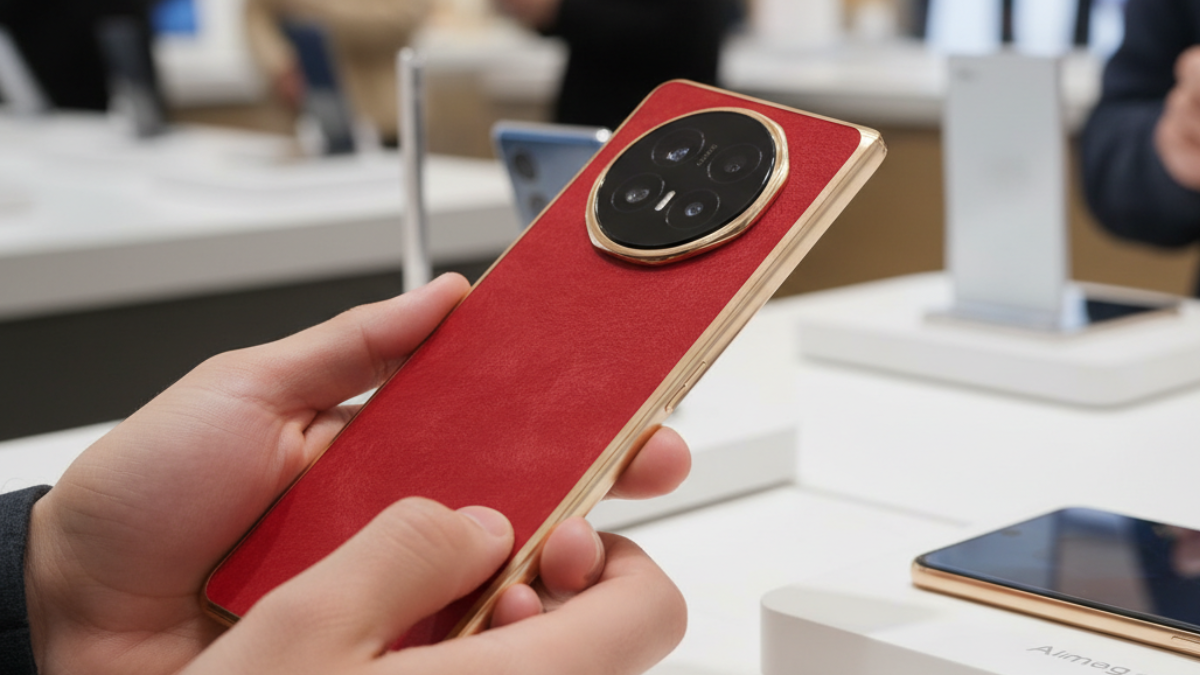
But I think the real story here is not the exterior. It is what Google is doing on the inside. If the Tensor G6 delivers on its AI efficiency promises, if the Titan M3 security chip is real, if the Face ID style hardware is genuine, and if Google finally upgrades the camera sensors to match the slab Pixel 11 Pro, then the Pixel 11 Pro Fold could be a far more significant upgrade than these renders suggest.
Google’s top executives were interviewed, and they confirmed that its Pixel designs could change in 2026 and 2027. However, the company also stated that it was more focused on its software and AI features within its Pixel line, rather than what’s on the surface.

The Pixel 11 Pro Fold is expected to launch around August 2026. Between now and then, a lot more will leak. But based on what we know today, Google is telling the foldable market something clear: we are not chasing thin for the sake of thin.
Whether that strategy pays off depends entirely on what is hiding inside that 10.1mm shell. We will be watching closely.