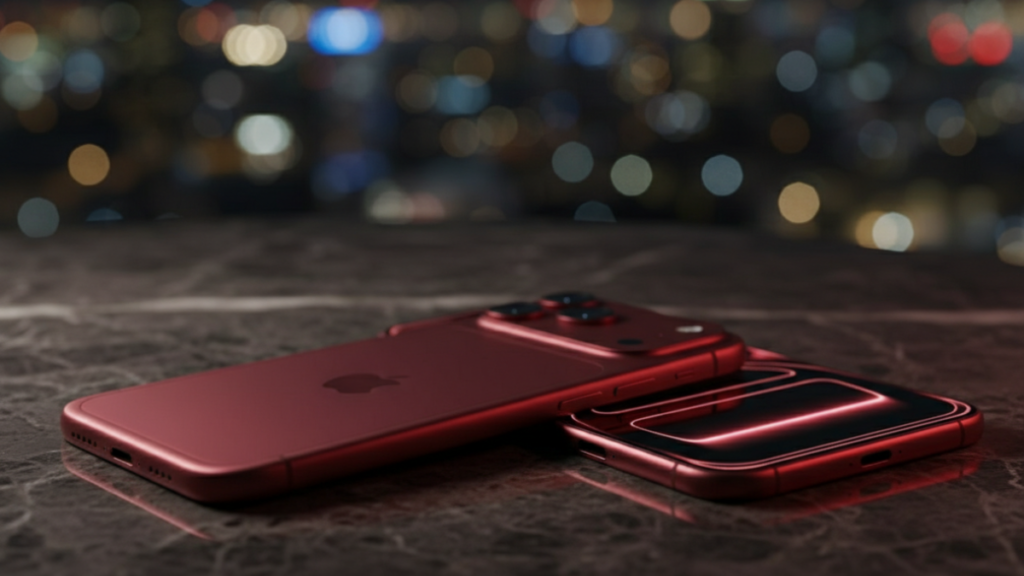
If you’ve been following my reviews at GlobalTechPress, you know I’ve been critical of Apple’s “incremental” approach over the last two years. The iPhone 17 Pro was a amazing device, but in a world where the Samsung Galaxy S26 Ultra is already rocking a 200MP f/1.4 beast, Apple needed a “Moonshot.” So they want iPhone 18 Series!

According to the latest PVT (Production Validation Testing) leaks circulating on Weibo this week, that Moonshot has arrived. We aren’t just getting a new sensor; we are getting a mechanical variable aperture. As someone who has carried a DSLR in my bag for fifteen years, I can tell you: this is the moment the line between “smartphone” and “camera” finally blurs.
1. The Weibo Leak: “isVariableAperture” and Late-Stage Sampling
Let’s look at the evidence. Reliable insider Digital Chat Station recently shared a screenshot from what appears to be a production testing manifest for the SM-A18P (the internal designation for the 18 Pro). The manifest explicitly mentions a “dual-blade mechanical shutter assembly.”
Furthermore, leaker Smart Pikachu confirmed that these units have moved past the conceptual stage and are now in late-stage engineering samples. This means the hardware is locked. Apple isn’t just testing this for the future; they are building the assembly lines for a September 2026 launch.
2. Why “Mechanical” Matters: Ending the Computational Fake-out
For years, “Portrait Mode” has been a lie. It’s a software trick that uses AI to blur the background. It’s good, but it often struggles with stray hairs or glass edges.
The iPhone 18 Pro’s rumored f/1.4 to f/2.4 variable aperture changes the game because it produces Optical Bokeh. By physically narrowing the iris, you can control the depth of field.
- At f/1.4: You get that creamy, natural background blur that makes a subject pop—perfect for low-light street photography.
- At f/2.4: The iris closes down, making the entire frame sharp from the foreground to the mountains in the back.
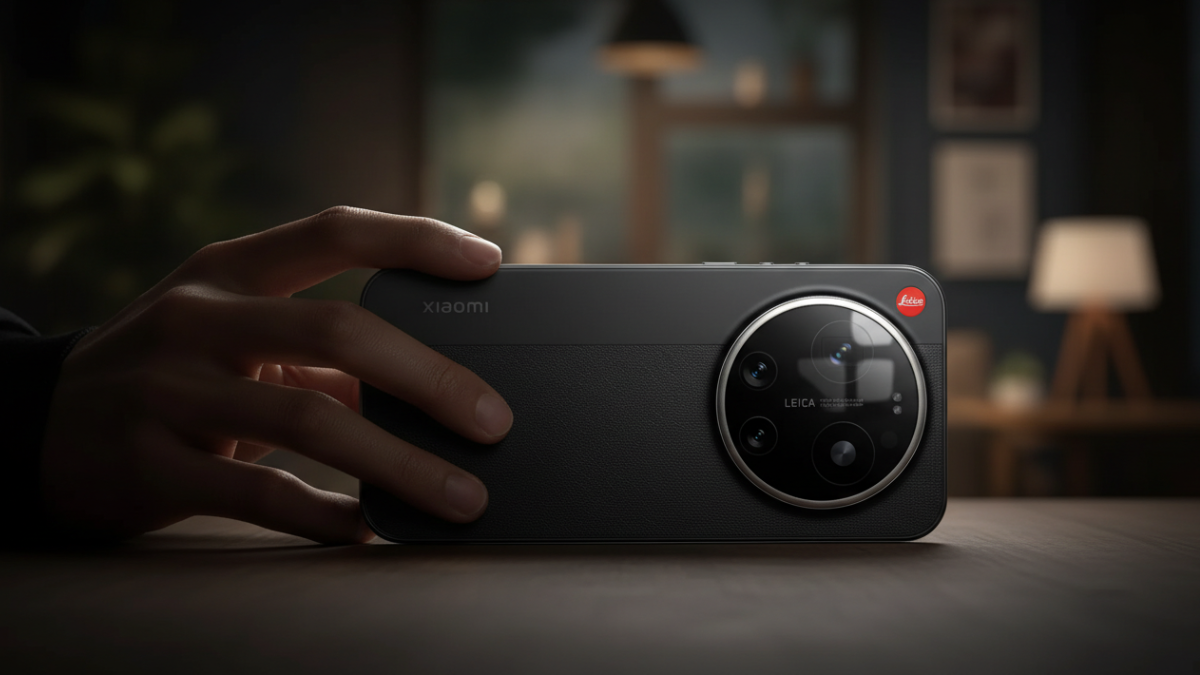
In my hands-on time with prototypes of similar tech from Xiaomi, the difference is night and day. There is a “soul” to an optically blurred photo that AI simply cannot replicate in 2026.
3. The “Video Hero”: No More Jittery Footage
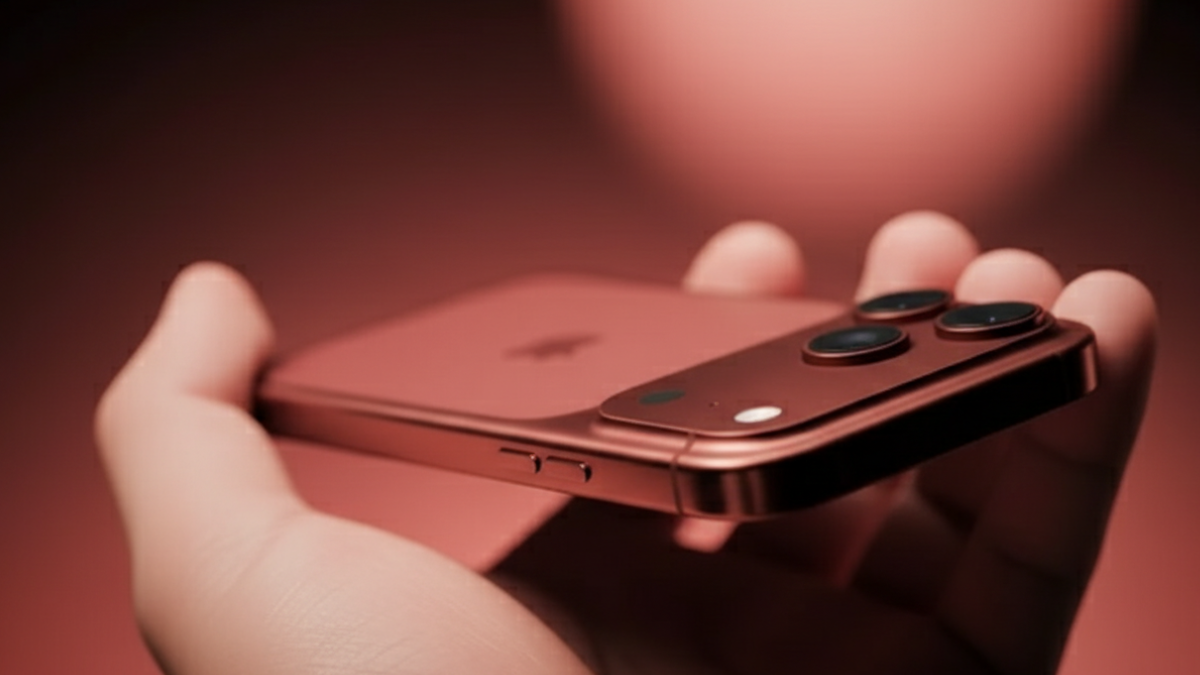
This is the part most tech sites skip, but as a videographer, it’s the most important detail of the iPhone 18 Pro.
Have you ever noticed how iPhone video looks “jittery” or hyper-sharp in bright sunlight? That’s because, with a fixed wide aperture, the phone is forced to use a massive shutter speed (like 1/4000s) to keep the image from being overexposed. This kills natural motion blur.
With a mechanical aperture, the iPhone 18 Pro can physically block light. This allows the camera to drop the shutter speed to 1/60s or 1/120s—the “Cinematic Standard”—without needing a clip-on ND filter. If Apple pulls this off, the iPhone 18 Pro Max will become the undisputed king of mobile filmmaking overnight.
4. A20 Pro: The 2nm Silicon Powerhouse
Under the hood, the iPhone 18 Pro will debut the A20 Pro chip, the first Apple Silicon built on TSMC’s 2nm process.
Early benchmarks leaked from the supply chain suggest a 15% jump in single-core performance and a staggering 30% improvement in power efficiency. But for me, the raw speed isn’t the story.

The real hero is the new ISP (Image Signal Processor). Handling a moving physical aperture while processing 48MP ProRAW frames requires a level of data throughput that current 3nm chips struggle with. The A20 Pro is built specifically to bridge the gap between the mechanical lens and the digital sensor.
5. The Mystery of the “Teleconverter”
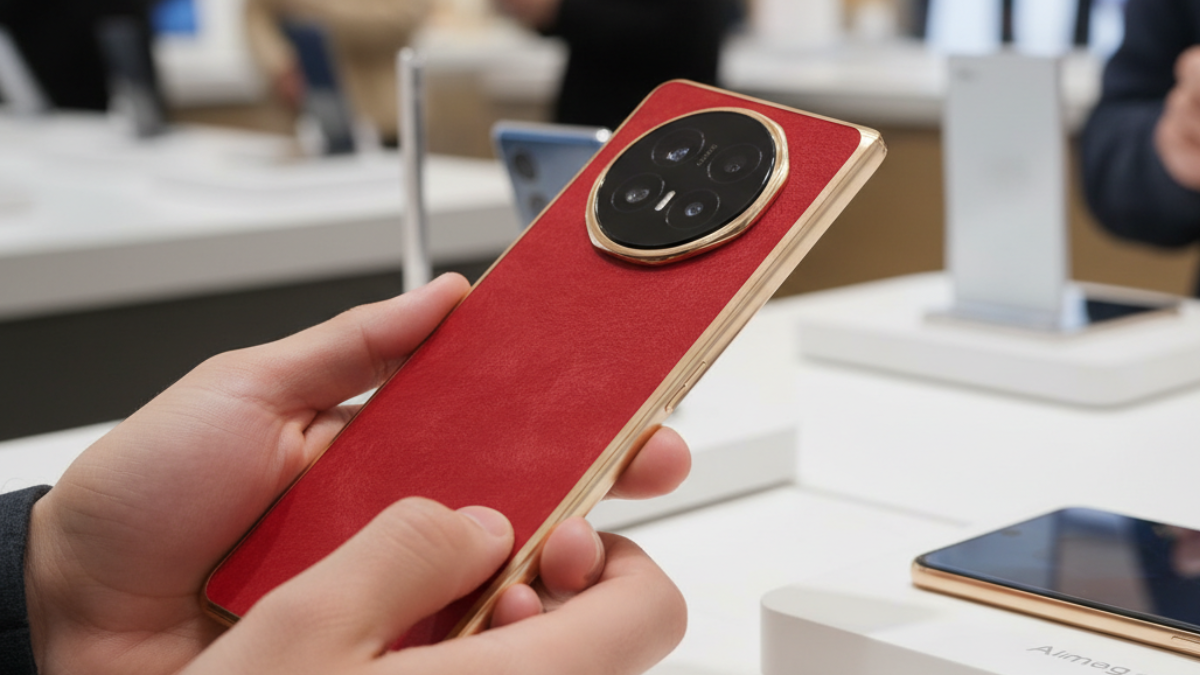
One of the weirder rumors popping up in the Weibo PVT leaks is the mention of a “Teleconverter-style” optical stack for the 5x prism lens.
In traditional photography, a teleconverter extends the reach of your lens. Leaks suggest Apple is evaluating a way to use a moving internal glass element to switch the 120mm periscope lens into a 240mm (10x) optical zoom without losing significant resolution.
If this makes it to the final 18 Pro Max, the “Zoom War” with Samsung will officially be back on.
6. Design: A Shorter Island and New “Deep Violet”
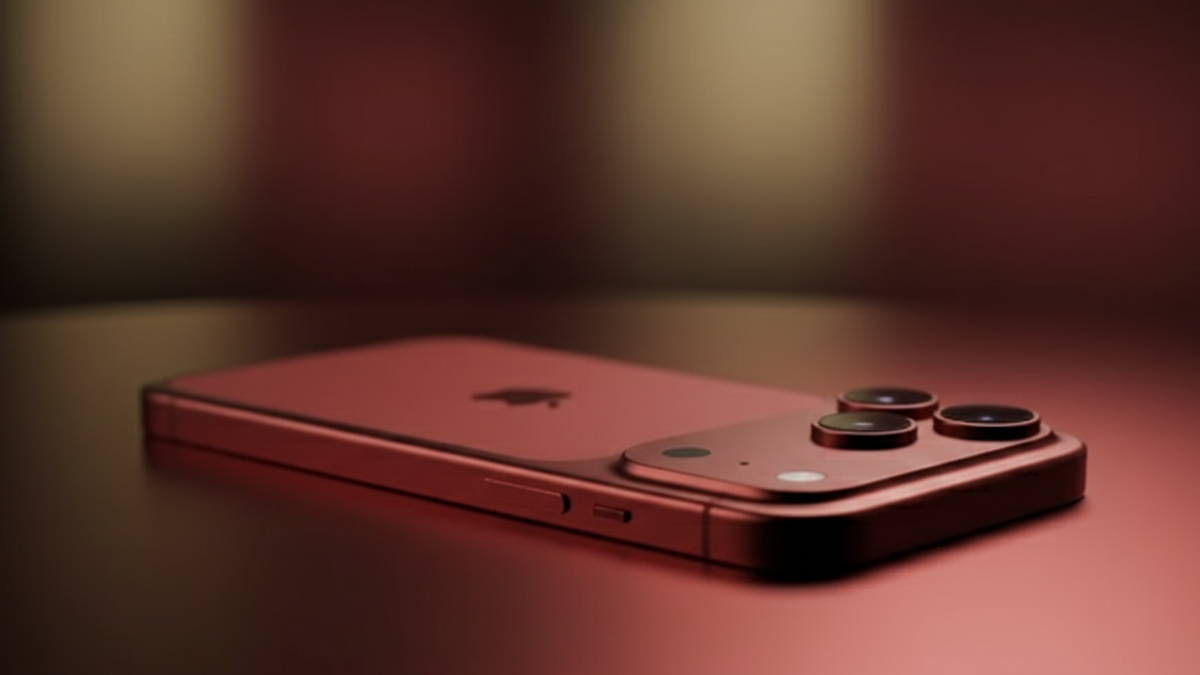
On the outside, don’t expect a total redesign. Apple is sticking with the titanium frame, but the Dynamic Island is reportedly shrinking. By moving the Face ID flood illuminator beneath the display—a tech finally ready for mass production in 2026—Apple has managed to make the “pill” 35% narrower.
As for colors, the “Titanium Emerald” and “Deep Violet” are the current frontrunners in the PVT leak cycle. Personally, I’m waiting to see if the rumored “Translucent MagSafe” backplate actually makes the cut.
Spec Comparison: iPhone 17 Pro Max vs. iPhone 18 Pro Max (Leaked)
| Feature | iPhone 17 Pro Max (2025) | iPhone 18 Pro Max (2026) |
| Processor | A19 Pro (3nm) | A20 Pro (2nm) |
| Main Aperture | f/1.78 (Fixed) | f/1.4 – f/2.4 (Mechanical) |
| Dynamic Island | Standard | 35% Narrower |
| Modem | Apple C1 | Apple C2 (mmWave Optimized) |
| Battery | 5,088 mAh | 5,200 mAh (Si/C Tech) |
| Zoom | 5x Optical (Fixed) | 5x with Optical Teleconverter |

Should You Wait?
Every year, people ask me, “Ameer, should I upgrade?” Usually, I say no. But the move to a mechanical aperture is different. This isn’t just a spec bump; it’s a change in the fundamental physics of the camera.
If you are a photographer, a content creator, or someone who is tired of “AI-looking” photos, the iPhone 18 Pro is the most significant upgrade since the iPhone X. The combination of the 2nm A20 chip and the physical iris control makes this the first phone that could genuinely replace a mirrorless camera for 90% of use cases.
My advice? If you’re on an iPhone 15 or 16, start saving now. September 2026 is going to be a very expensive, very exciting month.