Honor Robot Phone review: built-in gimbal “robot arm,” AI tracking and Magic V6 tie-in. Does the Robot Phone’s camera tech justify its price and novelty?

Intro — most important facts first
Honor’s Robot Phone is a bold idea: a smartphone with a built-in, gimbal-mounted robotic arm that can move, aim and auto-track subjects for photos and video.
Unveiled at Honor’s MWC 2026 event alongside the Magic V6 on 1 March 2026, the Robot Phone blends robotic motion with Honor’s AI stack — promising unique single-person shooting without add-ons. (Honor’s teaser: “Believe in the magic.”).
But novelty doesn’t guarantee value. This article breaks down the Robot Phone’s hardware, software and real-world usefulness so you can see whether the features justify what will likely be a high price. We rely on Honor’s official materials and hands-on previews from trusted outlets.
Honor Robot Phone features and price
Honor positions the Robot Phone as an experiment in making phones more helpful for creators.
Key features announced or shown in teasers:
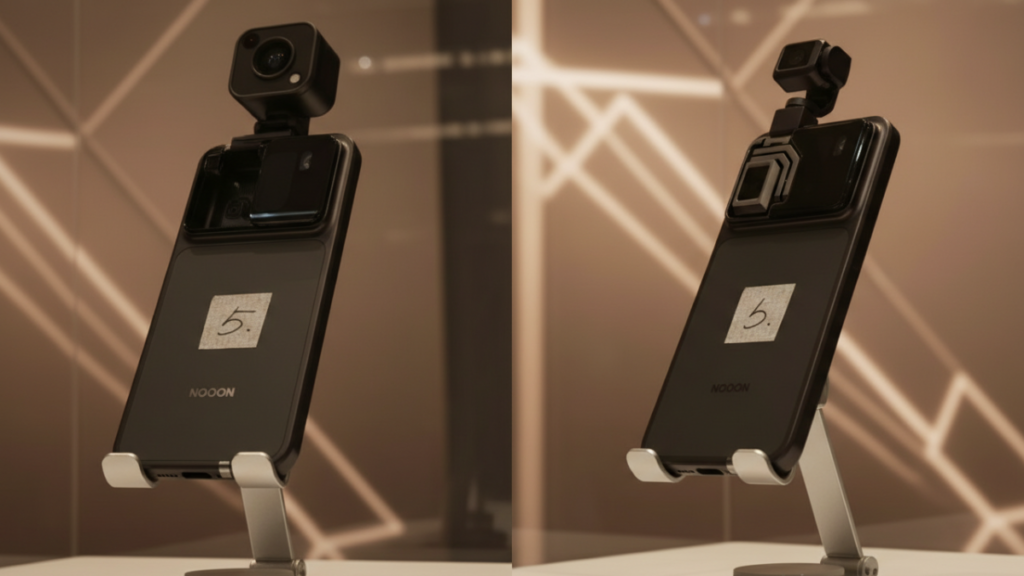
- A fold-out gimbal arm that houses the main camera and can pan, tilt and swivel.
- On-device AI tracking to follow faces or moving subjects automatically.
- Tight integration with Honor’s AI ecosystem — the phone acts as a “personal camera” that can respond to voice and gestures.
- Claimed advanced imaging hardware (early reports mention 200MP main sensors in some Honor devices, but Honor has not published a final spec sheet for the Robot Phone at launch).
Price: Honor did not confirm a retail price at MWC. Early coverage and industry commentary expect the Robot Phone to be a premium halo product, priced above typical flagships due to its mechanical gimbal and robotics work. Expect a collector/enthusiast price rather than mass-market value.
Why that matters: a mechanical gimbal adds cost, complexity and potential failure points. For many buyers, price will be the key test: pay extra for novelty, or stick with a phone plus a cheap external gimbal?
Honor Robot Phone AI gimbal camera review
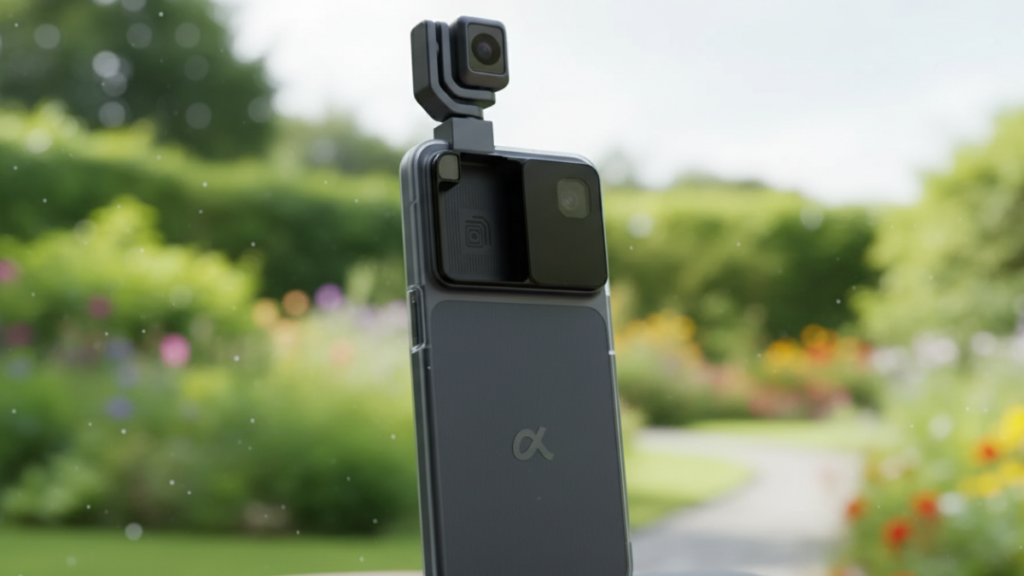
Hands-on previews and concept demos show a camera arm that can rotate, lift and point independently of the phone body.
What worked in demos:
- The gimbal allows the camera to reframe shots while the phone sits flat or lies in odd positions — useful for desk-based creators and livestreaming.
- The physical motion enables angles that handheld phones can’t reach without stands or tripods.
What remains open or questionable:
- At CES and in early teasers, many demos used prototypes or assisted demos rather than fully autonomous units. T3 and The Verge reported that earlier units were not always fully functional and sometimes needed staff to operate. That raises questions about production readiness.
- Robustness and durability: mechanical parts need testing over many cycles. Honor has shown impressive demos, but we need real-world durability data.
Real-world value: For solo creators who shoot often — vloggers, small-team filmmakers, or social creators — built-in gimbal motion plus AI tracking could save time and equipment. For casual users it may feel like a gimmick.
Honor Robot Phone launch date and details
Honor confirmed the Robot Phone at its MWC 2026 keynote on 1 March 2026.
What we know from Honor’s pages and coverage:
- Honor’s global event page lists the Robot Phone alongside the Magic V6. That confirms a serious push by the company into novel device categories.
- Honor’s marketing emphasizes an AI “super brain” and “super mobility,” framing the device as part phone, part robotic camera.
What we don’t yet have:
- Exact retail price and clear ship date for consumers. Some outlets say prototypes may be shown at MWC while retail availability could come later.
Practical note: If you’re planning to buy, watch Honor’s post-MWC announcement for availability, carrier plans and warranty terms. Mechanical components affect service and support expectations.
Is Honor Robot Phone good for videography?
Short answer: promising — if the software and tracking are reliable.
Why it could be great:
- Stable, hands-free capture: a 3-axis gimbal built into the phone reduces the need for external motors. That simplifies travel and one-person shoots.
- Smart tracking: if Honor’s AI can track people and reframe smoothly, it could replace a camera operator for many use cases.
Limitations to test in full reviews:
- Smoothness of motion: gimbals need finesse. Any jitter, delay or overcorrection will hurt footage.
- Battery & heat: moving motors and on-device AI both burn power. How long the phone can continuously track and move the arm is a key metric.
- Third-party app support: creators use many apps; if the Robot Phone only works smoothly with Honor’s own camera app, adoption will be limited.
Bottom line: for creators who prefer built-in workflows and minimal kit, the Robot Phone can be a game-changer. For filmmakers who demand highest pro quality, separate gimbals or cameras will still be better for now.
Honor Robot Phone vs DJI Osmo Mobile
DJI Osmo Mobile is a proven external gimbal that pairs with many phones. How do they compare?
Advantages of Robot Phone:
- Integration: camera movement and phone software are native. No extra pairing, batteries or mounts.
- Compactness: you don’t carry an extra device — the gimbal is built in.
Advantages of DJI Osmo Mobile:
- Mature stabilization: DJI has years of tuning and hardware refinement.
- Cross-device support: DJI works with many phones and apps.
- Replaceability: if the gimbal fails, replace the Osmo; with the Robot Phone, a repair is likely costlier.
Which to choose:
- If you prioritize convenience and an all-in-one device, the Robot Phone is compelling.
- If you need the most reliable stabilization today, external gimbals like DJI’s remain the safer bet.
Durability & water resistance — is it waterproof?
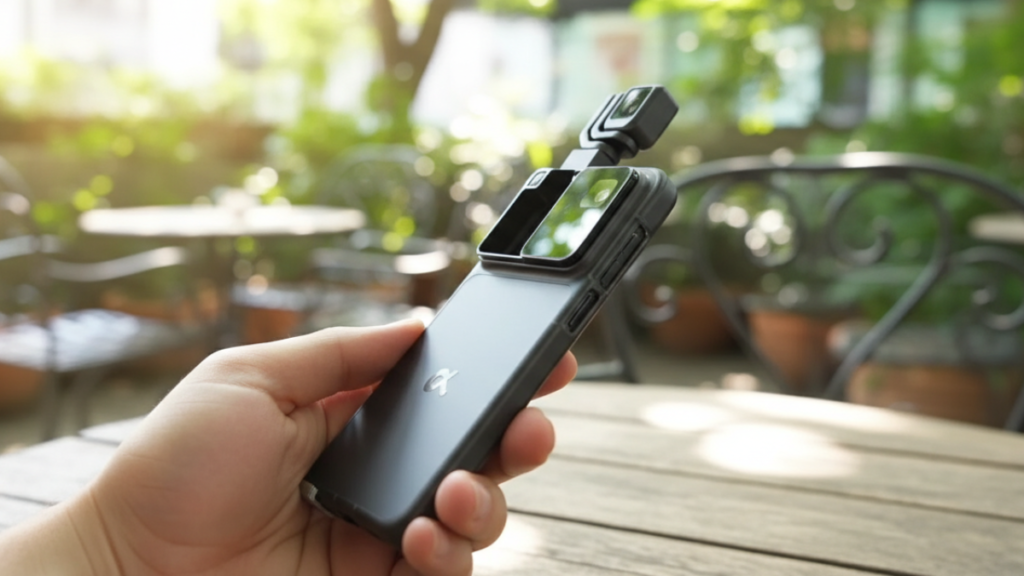
Honor’s Magic V6 was teased with strong durability claims (IP68/IP69 for some devices), but Honor did not confirm IP for the Robot Phone at launch.
Mechanical arms complicate water sealing. Until Honor publishes official ratings, assume the Robot Phone will need careful handling and may not be designed for full submersion.
Who should buy the Honor Robot Phone?
Buy if:
- You regularly shoot solos — vlogs, tutorials, or livestreams.
- You value unique hardware that reduces kit.
- You are an early adopter who likes experimental tech.
Wait or skip if:
- You need rock-solid, proven pro capture (external cinema gimbals still lead).
- You want a simple daily driver without mechanical parts to worry about.
- You are price sensitive — expect a premium.

What reviewers and press said at launch
Hands-on outlets noted the Robot Phone’s charm and the “Wall-E” vibes of the arm, but also cautioned that early demos sometimes used assisted prototypes. Android Central and T3 stressed that Honor needs to show a consumer-ready unit and clear availability to back the idea.
Honor’s own materials frame the device as a step toward “AI companions,” not just a camera. That vision matters — but the practical test is in daily reliability.
Frequently Asked Questions
What is the Honor Robot Phone?
The Honor Robot Phone is a smartphone concept revealed at MWC 2026 with a built-in, gimbal-mounted robotic arm that can move and auto-track subjects for photos and video. Honor calls it a “personal camera” integrated with its AI ecosystem.
When does it launch?
Honor unveiled the Robot Phone at its MWC keynote on March 1, 2026. Honor showed teasers and demos but did not confirm broad retail availability during the event.
What are its standout features?
Key features include a fold-out gimbal arm, AI subject tracking, and deep integration with Honor’s AI software. Early demos emphasise creative, hands-free shooting.
Is it waterproof or durable?
Honor has not published official water-resistance ratings for the Robot Phone. Mechanical arms complicate sealing, so assume careful handling until Honor confirms IP ratings.
Who is the target user?
Content creators, solo videographers and early adopters who want built-in stabilization and automated tracking without external gear.

Author note
I’m Ameer Hamza. This article is based on Honor’s MWC 2026 announcements, hands-on previews and reporting from trusted tech outlets. I labelled prototype demos and early reports clearly and will update this review after extended testing and official retail details.