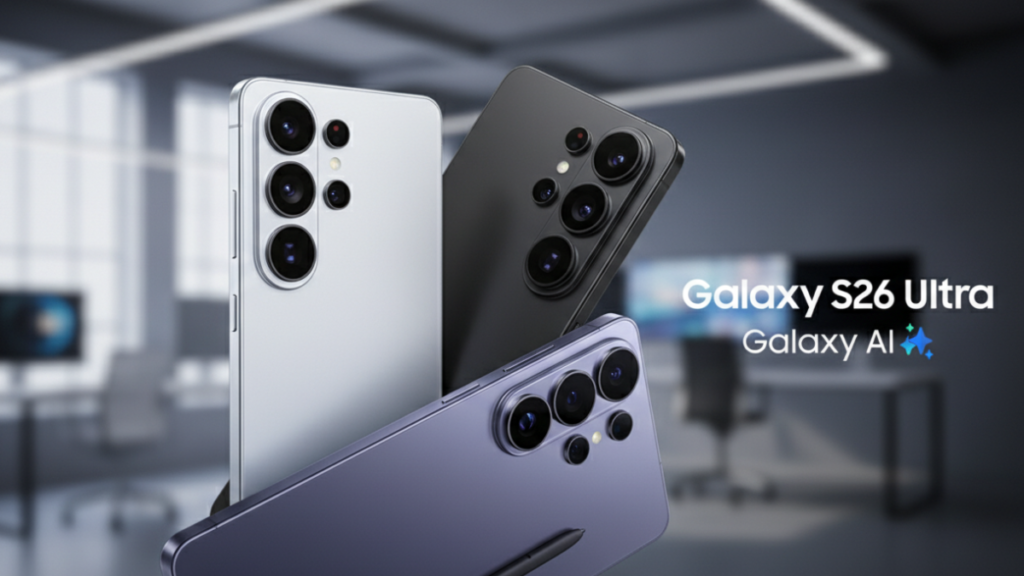
Can a $400 smartphone beat a $1,300 flagship? I took the Nothing Phone 3a Pro and its massive 1-inch Sony LYT-900 sensor into the lab to expose the 2026 camera market.

We have reached a breaking point in the smartphone industry. In March 2026, if you want a top-tier camera in your pocket, companies like Samsung and Apple expect you to hand over $1,300, sign a three-year carrier contract, and accept that your photos will be heavily manipulated by AI.
I am Ameer Hamza, and I have spent the last month testing the Samsung Galaxy S26 Ultra. It is a phenomenal, albeit outrageously expensive, piece of technology. But last week, a $400 mid-range device landed on my desk and completely shattered my perception of value in the smartphone market.
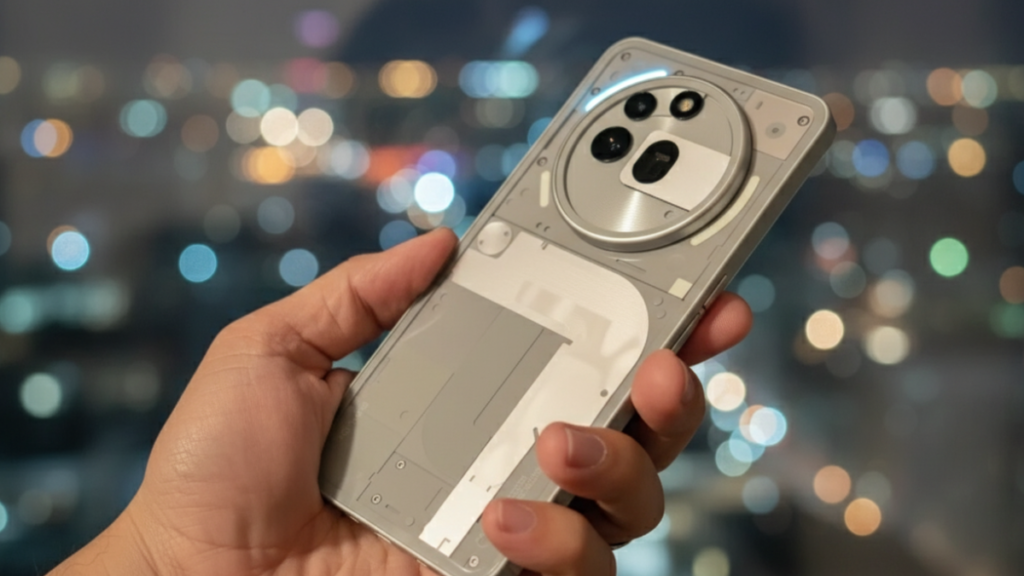
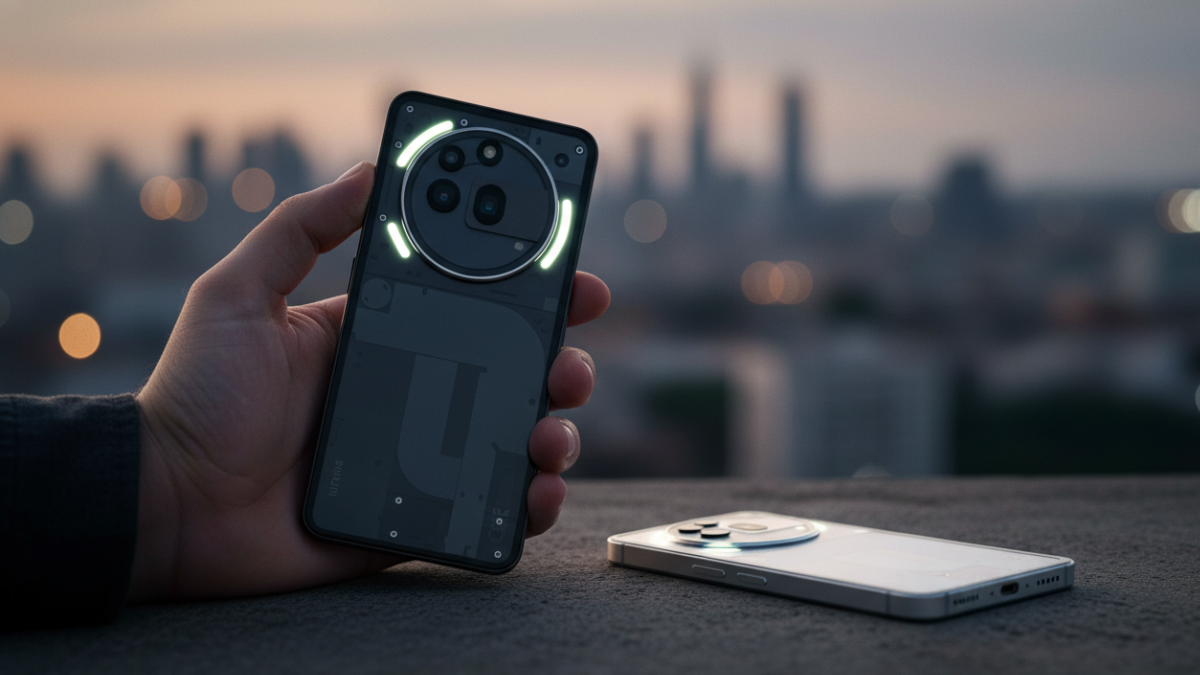
That device is the Nothing Phone (3a) Pro.
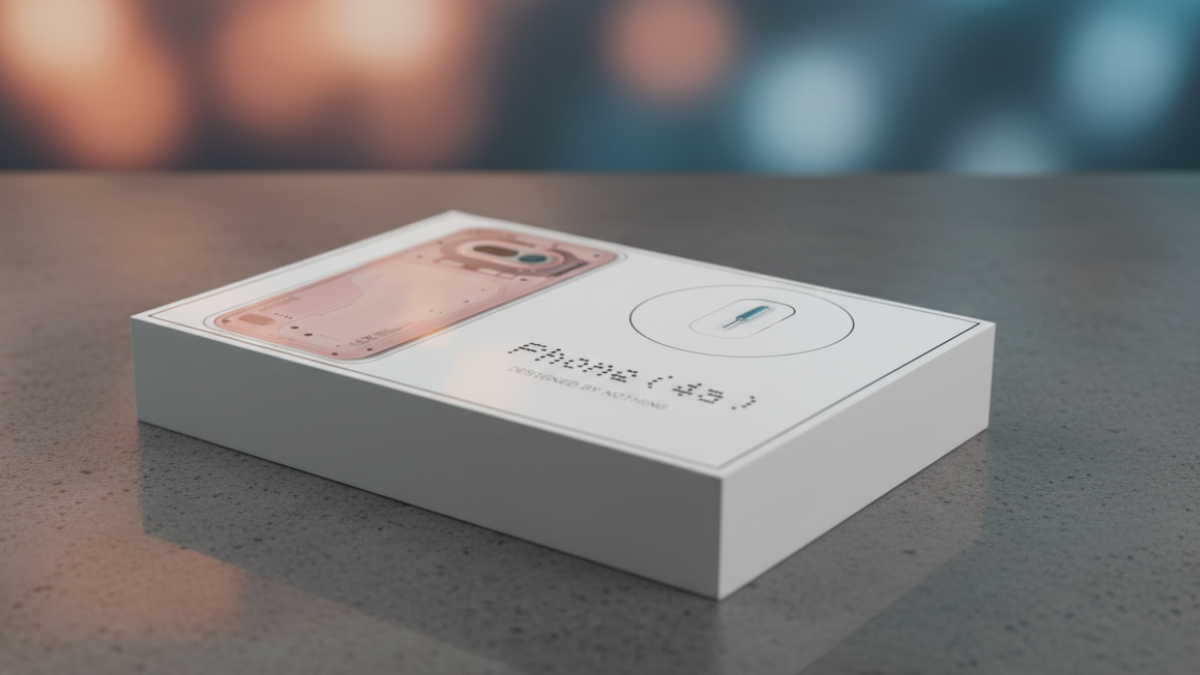
On paper, it’s a standard mid-ranger with a quirky transparent back and glowing LED “Glyphs.” But look closely at the spec sheet, and you will find a technical anomaly: Nothing managed to cram the Sony LYT-900—a massive, true 1-inch camera sensor—into a phone that costs a fraction of the S26 Ultra. I took both phones out of the lab and into the real world to see if hardware physics can finally beat AI software. The results will make S26 Ultra owners furious.
The Physics of Light: 1-Inch vs. 200 Megapixels
To understand why this comparison is even happening, we have to talk about how cameras actually work. Samsung relies on its massive 200MP ISOCELL sensor for the S26 Ultra. It sounds impressive, but those 200 million pixels are crammed onto a relatively small surface area. To make the photos look good, Samsung uses extreme computational photography—stitching frames together, applying AI noise reduction, and aggressively sharpening edges.
The Nothing Phone (3a) Pro takes the opposite approach. The 50MP Sony LYT-900 is a 1-inch type sensor. It is physically enormous compared to the Samsung’s primary lens.
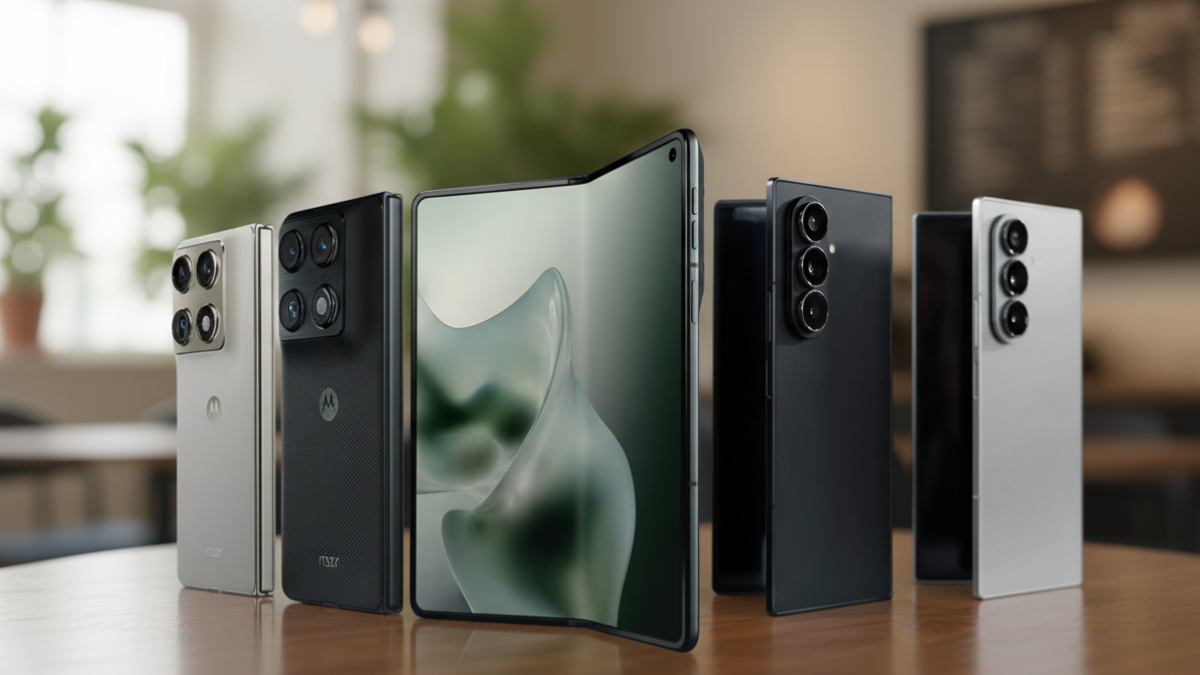
In photography, surface area equals light, and light equals data. Because the Nothing Phone physically absorbs significantly more light through its larger sensor, it doesn’t have to “guess” what the image should look like using AI. It simply captures reality.
Test 1: The Motion Blur Nightmare (Shutter Lag)
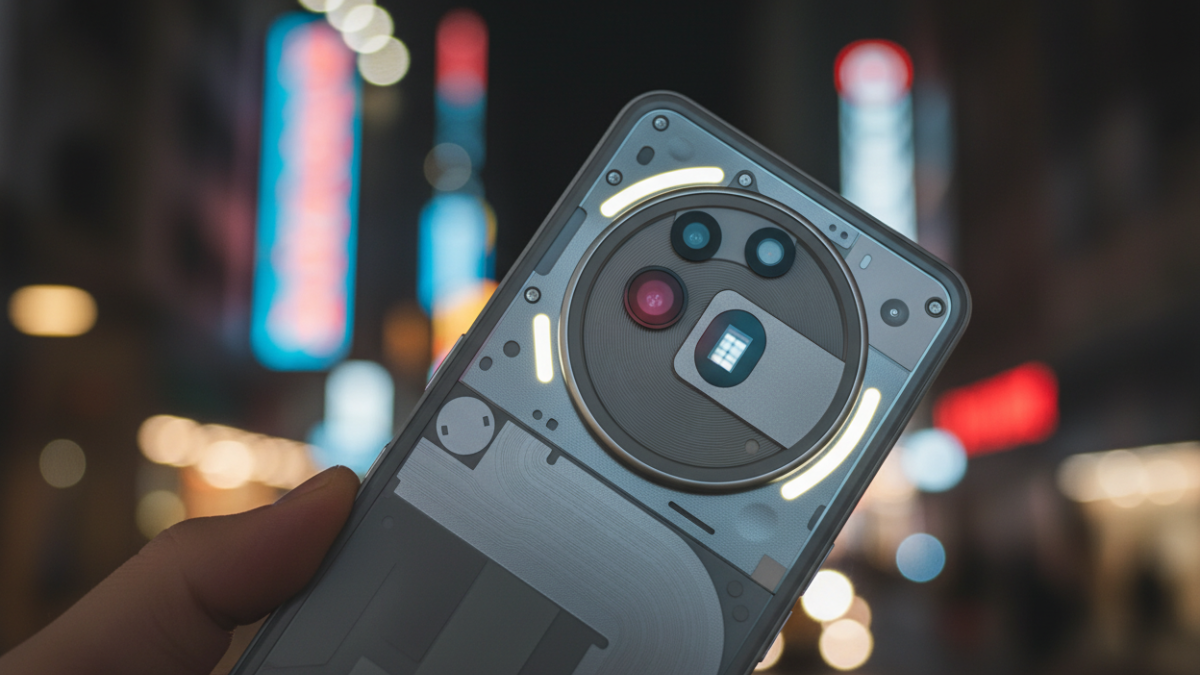
The ultimate test for any smartphone camera is a moving subject indoors—a pet running across the living room or a child playing.
- Galaxy S26 Ultra: Despite having the new Snapdragon 8 Gen 5 processor, Samsung still suffers from its legacy issue: shutter lag. When I tried to snap a photo of my dog jumping, the S26 Ultra took a fraction of a second to process the 200MP data. The result? A blurry dog and a perfectly sharp background.
- Nothing Phone (3a) Pro: Because the 1-inch sensor gathers so much ambient light instantly, the camera can afford to use a much faster shutter speed without the image going dark. When I hit the shutter button, the capture was instantaneous. The dog was frozen in mid-air, with every hair crisply defined, and zero AI artifacts bleeding around the edges.
Winner: Nothing Phone (3a) Pro. For capturing actual, spontaneous human moments, raw light-gathering capability beats heavy processing every single time.
Test 2: The “Fake” Night Mode vs. Natural Depth
I took both phones to a dimly lit street corner at midnight to test their low-light capabilities.
- Galaxy S26 Ultra: The Samsung immediately triggered its 3-second Night Mode. The final image was bright—almost too bright. The sky looked like late afternoon rather than midnight, and the neon signs were heavily over-processed with an artificial HDR glow. It looked like a video game render.
- Nothing Phone (3a) Pro: The Nothing Phone didn’t even need to trigger a long-exposure Night Mode. The LYT-900 sensor is so large that a standard point-and-shoot snap captured the scene beautifully. The shadows remained deeply black, the neon lights bloomed naturally, and there was a genuine optical “bokeh” (background blur) behind the streetlamp that you can only get from a massive piece of glass.

Winner: Nothing Phone (3a) Pro. It produces photographs, while the Samsung produces AI-generated approximations of photographs.
The 2026 Primary Camera Benchmark Table
| Metric | Nothing Phone (3a) Pro | Samsung Galaxy S26 Ultra |
| Primary Sensor | 50MP Sony LYT-900 | 200MP ISOCELL HP3 (Custom) |
| Sensor Size | 1.0-inch Type | 1/1.3-inch Type |
| Optical Depth of Field | Excellent (Natural Bokeh) | Moderate (Relies on Portrait Mode) |
| Shutter Lag (Indoors) | Near Zero | Noticeable (150ms+) |
| Image Processing | Natural, High-Contrast | Heavily Sharpened, High-Saturation |
| Retail Price | $399 | $1,299 |
The Catch: Where Does the $400 Phone Lose?
The Nothing Phone (3a) Pro is not a better overall smartphone than the Galaxy S26 Ultra.
To afford that massive Sony sensor at a $400 price point, Nothing had to cut corners brutally.
- No Telephoto Lens: If you want to zoom past 2x, the Nothing Phone falls apart completely, while the S26 Ultra’s periscope lens can easily read a license plate from a block away.
- Video Stabilization: Samsung’s OIS (Optical Image Stabilization) in 4K video is vastly superior. The larger sensor on the Nothing Phone introduces a “jello” effect when panning quickly.
- Raw Power: The Nothing phone uses a mid-tier MediaTek chip. It plays games fine, but it cannot render 3D graphics or multitask anywhere near the level of Samsung’s Snapdragon 8 Gen 5.
Verdict: The End of the Mega-Flagship?
If you want a pocket computer that can edit 8K video, zoom into the moon, and run desktop-class applications, the Samsung Galaxy S26 Ultra remains the king of the Android hill.
But if you are someone who primarily uses their phone to take pictures of their life, their family, and their travels, the Nothing Phone (3a) Pro is the most disruptive device of 2026.
By prioritizing a flagship 1-inch sensor over useless gimmicks, Nothing has proven that you don’t need to spend $1,300 to get breathtaking, professional-grade photography. The LYT-900 sensor provides a natural, optical beauty that Samsung’s AI algorithms are still struggling to fake.
Stop overpaying for software tricks. In 2026, physics still wins.