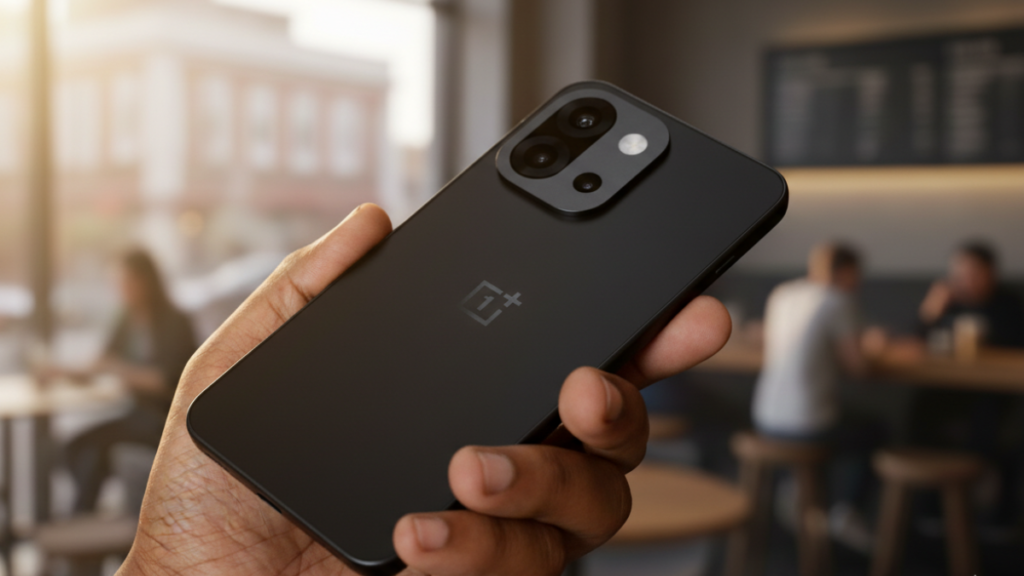
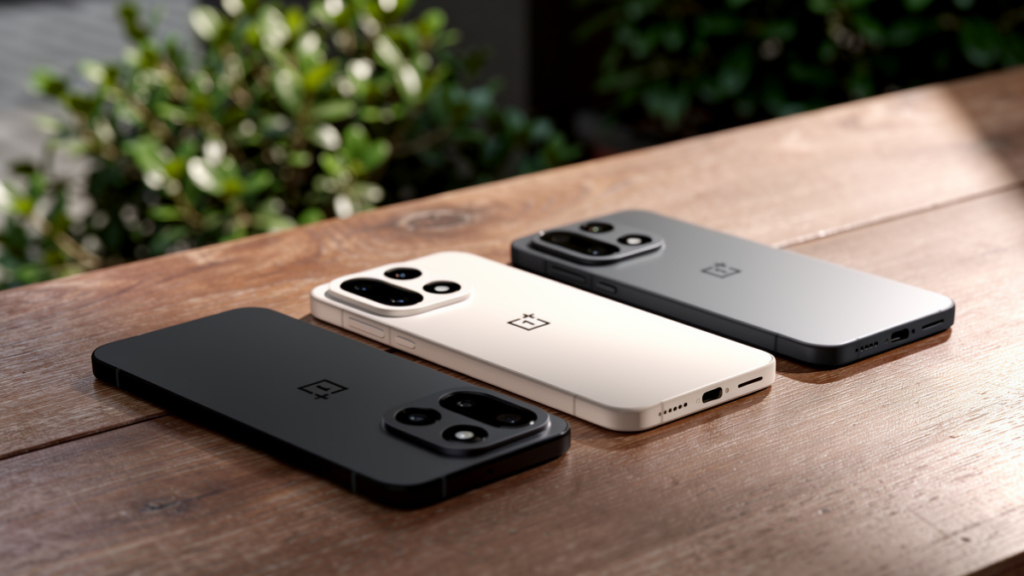
The OnePlus 15 lasted 25 hours and 13 minutes in battery test. The Galaxy S26 Ultra lasted 16 hours and 10 minutes. The iPhone 17 Pro Max lasted 17 hours and 54 minutes. That is not a generational gap. That is an entirely different category. And the reason is a 7,300mAh silicon carbon battery that fits inside a phone thinner than the iPhone. Here is what the numbers actually mean for your daily life.

The Test That Changed the Conversation
I am Ameer Hamza, and at Global Tech Press, we have been using the OnePlus 15 since its global launch in November 2025. But the moment that shifted the entire industry conversation was when Tom’s Guide published their battery test results.
The OnePlus 15 sets a new record on Tom’s Guide’s test because of its 25 hours and 13 minutes result. That’s a staggering feat to achieve when you look at the gap against its closest flagship rivals.
Let me put that in context.
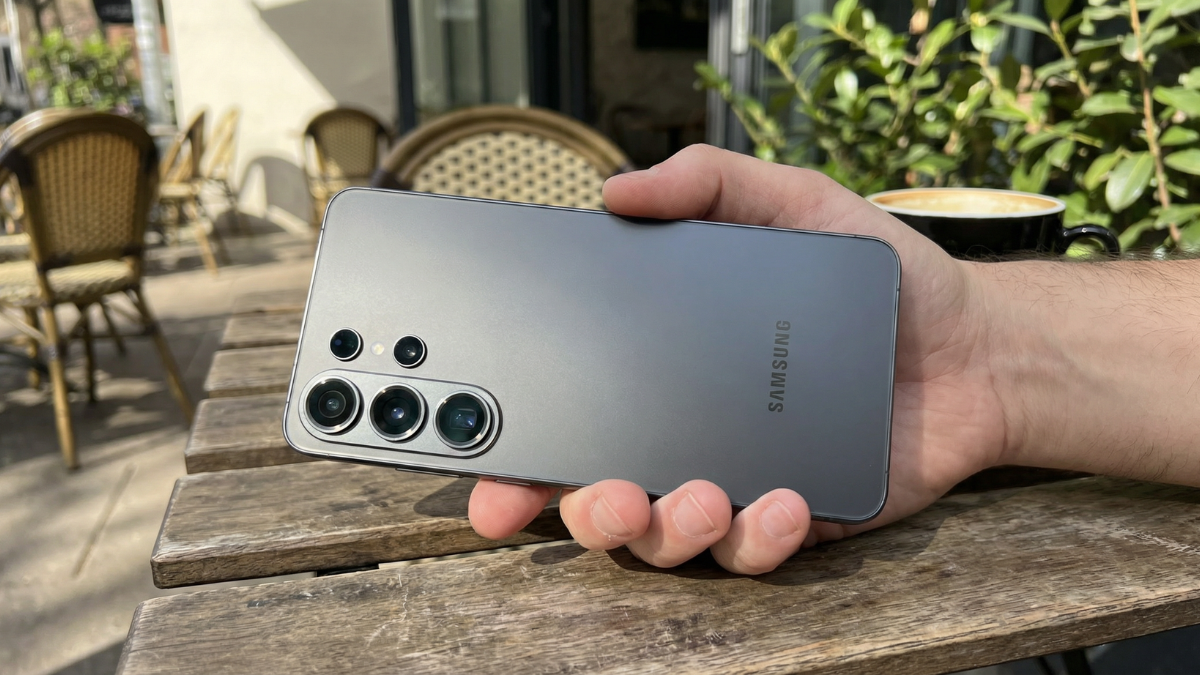
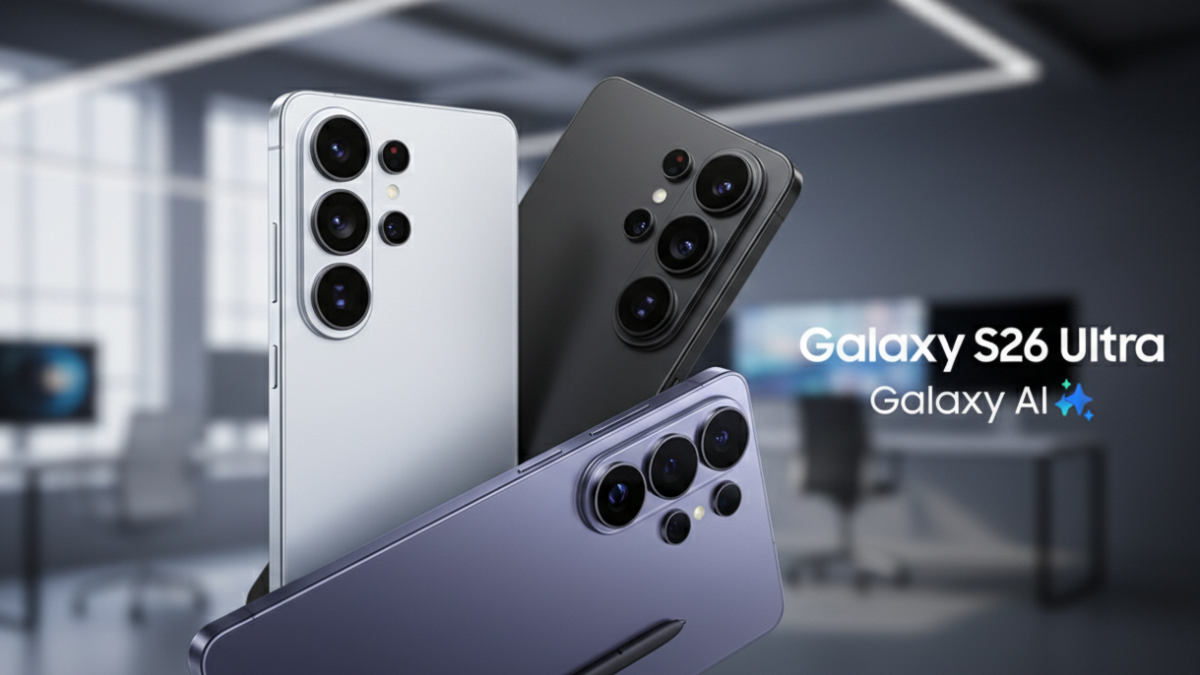
The Galaxy S26 Ultra with its 5,000mAh lithium ion battery lasted 16 hours and 10 minutes on the same test. The iPhone 17 Pro Max lasted 17 hours and 54 minutes.
The OnePlus 15 outlasted the Galaxy S26 Ultra by 9 hours. It outlasted the iPhone 17 Pro Max by over 7 hours. On the same test, under the same conditions.
Why Silicon Carbon Changes Everything
The reason is not just a bigger number on the spec sheet. It is a fundamentally different battery chemistry.
Traditional lithium ion batteries use graphite anodes. Silicon carbon batteries replace some of that graphite with silicon, which can hold significantly more lithium ions per unit of volume. The result is higher energy density in a smaller physical space.
The OnePlus 15 packs 7,300mAh into a body that is 8.55mm thick and weighs 213 grams. The Galaxy S26 Ultra fits 5,000mAh into a body that is 7.9mm thick and weighs 214 grams.
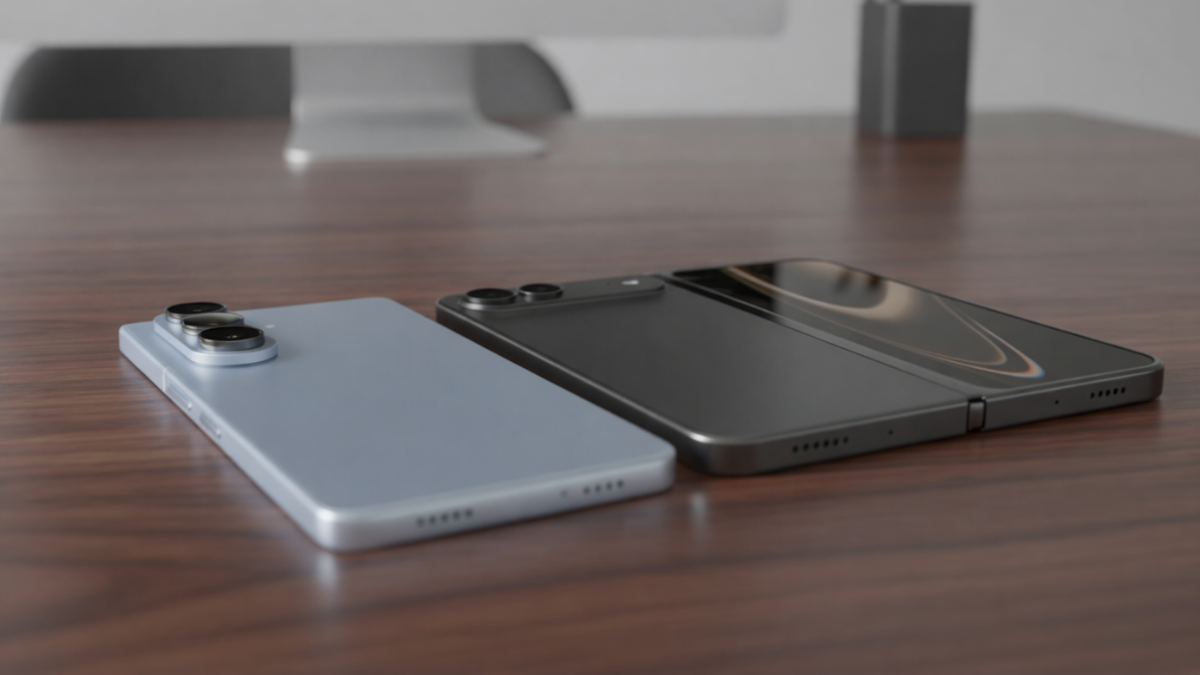
The OnePlus 15 has 46% more battery capacity. It weighs 1 gram less. And it is only 0.65mm thicker.
That is what silicon carbon technology delivers. More capacity without proportionally more weight or thickness.
Real World Battery Life: The Two Day Phone Is Here
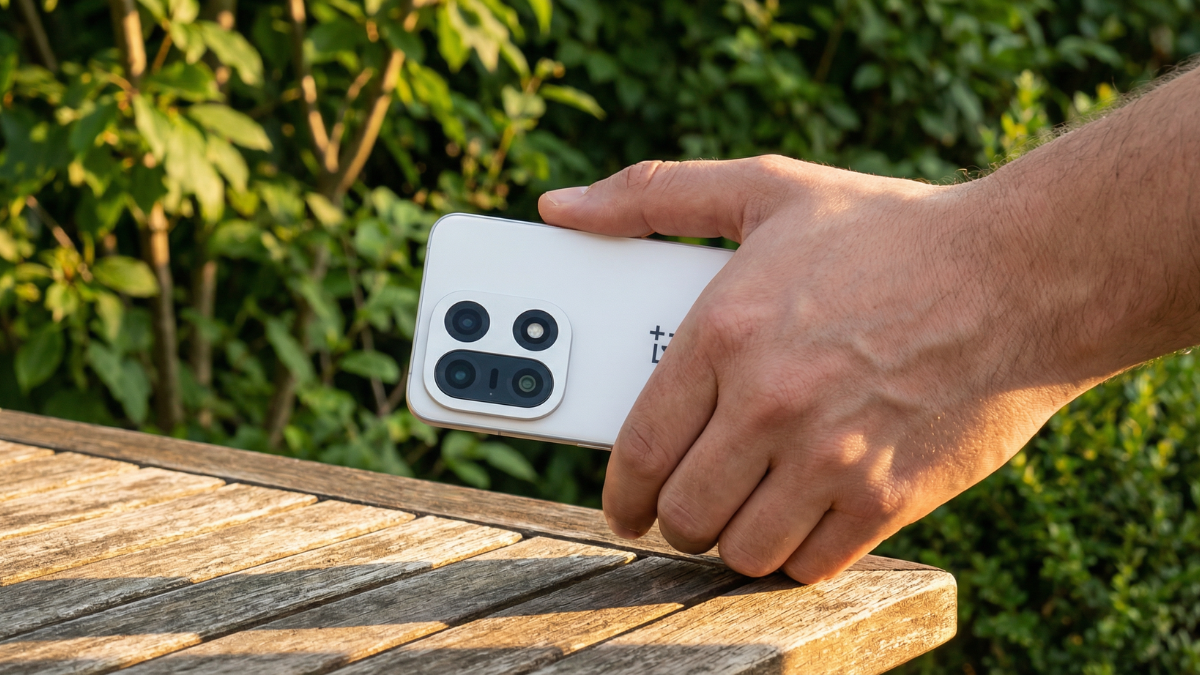
The lab tests are impressive. But what matters is daily use.
Tom’s Guide’s reviewer was already blown away when it got down to 68% after the first day of using it, but was in for a shock when it was at 24% by the second full day. All told, the battery lasted a whopping 2 days, 11 hours, and 5 minutes when it was at 2% capacity.
Pete Matheson confirmed the same in his three week review. On Disney and Legoland days, he was using the phone all day for maps, photos, videos, notes, and everything else you would expect. Two days on a single charge was normal.
He even pushed into a third day during lighter use.
NotebookCheck pushed it further. The OnePlus 15 performed well in their test, achieving well over 30 hours of battery life. Since most smartphone users do not constantly use their devices in everyday life, this should easily be enough for about two to three days of typical smartphone use.
At GTP, our experience matched. During a normal work week, I charged the OnePlus 15 on Monday night and did not need to charge again until Wednesday afternoon. That has never happened with any other phone I have tested.
How Every 5,000mAh Flagship Compares
Here are the verified battery test results from multiple publications.
| Phone | Battery | Chemistry | Tom’s Guide 5G Test | Mrwhosetheboss Test |
|---|---|---|---|---|
| OnePlus 15 | 7,300mAh | Silicon Carbon | 25h 13m | 12h 55m |
| iPhone 17 Pro Max | ~4,823mAh | Lithium Ion | ~18h | 11h 32m |
| Galaxy S26 Ultra | 5,000mAh | Lithium Ion | 16h 10m | 12h |
| Galaxy S25 Ultra | 5,000mAh | Lithium Ion | ~14h 27m | 10h 43m |
| Pixel 10 Pro XL | 5,200mAh | Lithium Ion | ~14h | 9h 53m |
| Oppo Find X9 Pro | 7,500mAh | Silicon Carbon | Not tested | Not tested |
| Xiaomi 17 | 6,330mAh | Silicon Carbon | Not tested | Not tested |
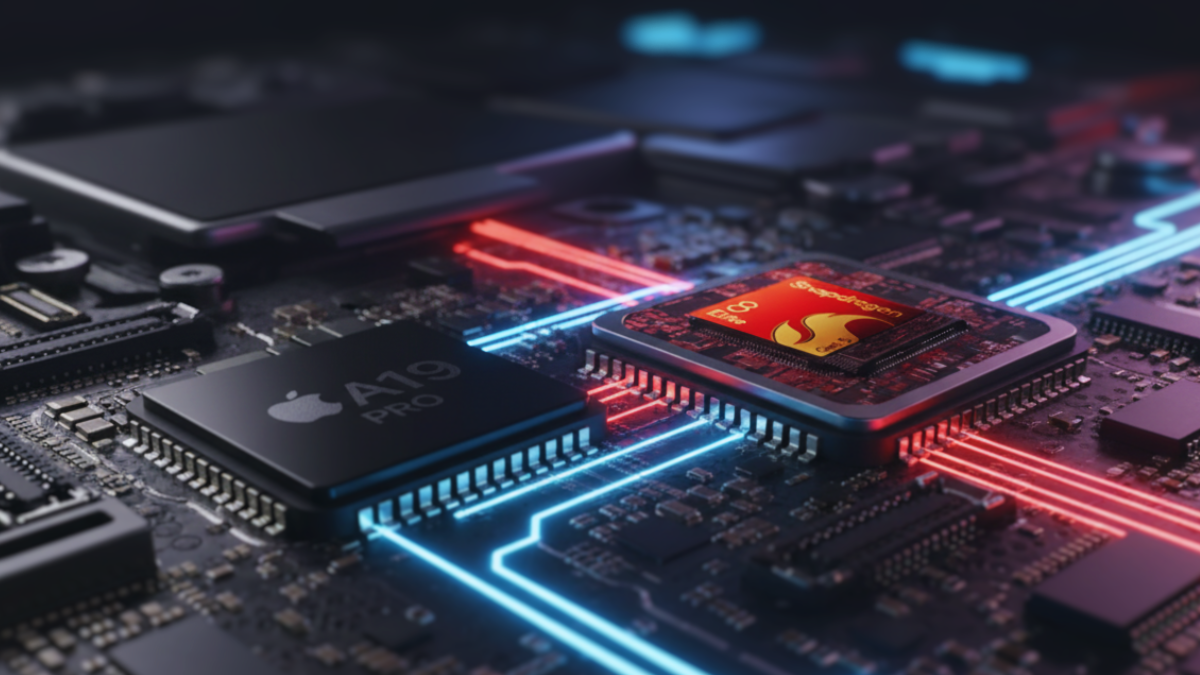
The pattern is clear. Every phone using silicon carbon battery technology is pulling ahead of every phone using traditional lithium ion.
Samsung is still using 5,000mAh lithium ion in the Galaxy S26 Ultra. Apple is still using approximately 4,823mAh lithium ion in the iPhone 17 Pro Max. Neither company has adopted silicon carbon in their flagship lines yet.
Samsung told Tom’s Guide that it is still “investigating” silicon carbon technology. We might see it on the S27 Ultra next year.
The Charging Speed Gap Is Even Bigger
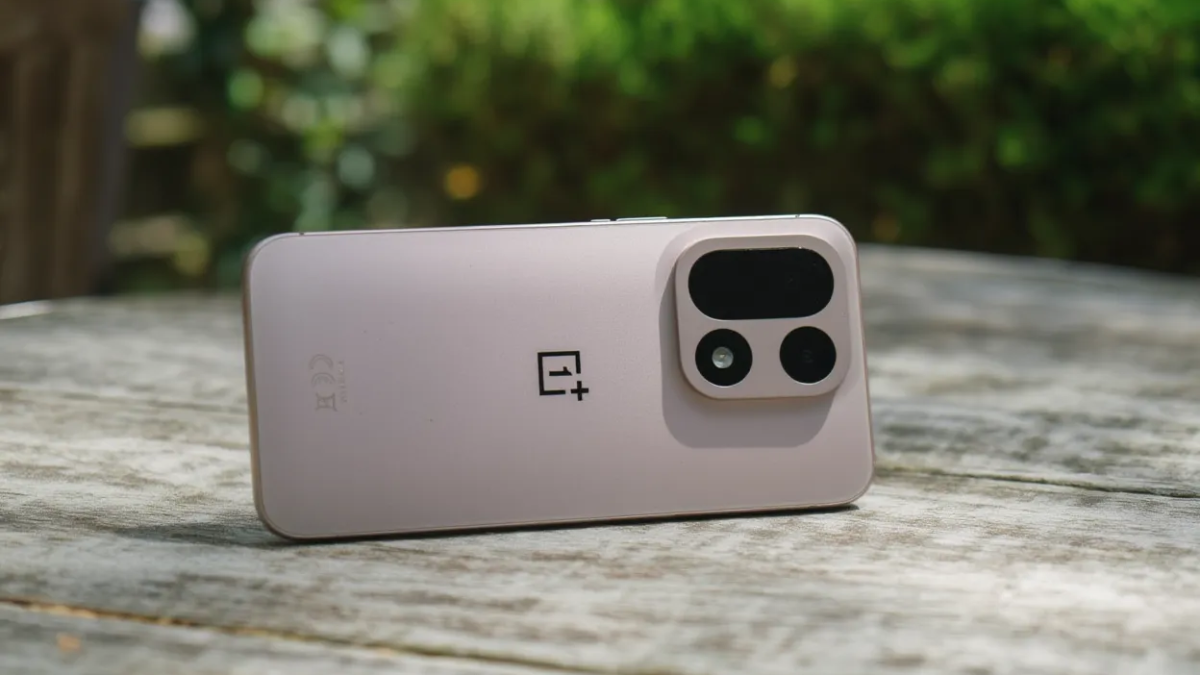
Battery capacity is only half the story. Charging speed is the other half.
The OnePlus 15 supports 80W SUPERVOOC wired charging in the US and 120W in China. A full charge from 0 to 100% takes approximately 36 minutes at 120W and roughly 45 minutes at 80W.

Now compare that to the competition:
- The Galaxy S26 Ultra charges at 60W wired. A full charge takes roughly 55 to 60 minutes.
- The iPhone 17 Pro Max charges at approximately 27W wired. A full charge takes roughly 90 minutes.
- The Pixel 10 Pro XL charges at 37W wired. A full charge takes roughly 70 minutes.
So the OnePlus 15 has 46% more battery capacity than the Galaxy S26 Ultra and charges to full in less time. It has 51% more capacity than the iPhone 17 Pro Max and charges in half the time.
The OnePlus 15 also supports 50W AIRVOOC wireless charging, which is faster than the wired charging speed of every competitor listed above except Samsung.
The Price Makes It Even More Painful for Samsung and Apple
The OnePlus 15 starts at $899 for the 12GB/256GB model and $999 for the 16GB/512GB model.
The Galaxy S26 Ultra starts at $1,299. The iPhone 17 Pro Max starts at $1,199.
The OnePlus 15 costs $400 less than the Galaxy S26 Ultra and $300 less than the iPhone 17 Pro Max. It lasts 9 hours longer than the Samsung and 7 hours longer than the iPhone in battery testing.
You are paying less money for significantly more battery life.
The Trade Offs You Should Know About
The OnePlus 15 is not perfect. Let me be honest about the downgrades.
The camera sensor is smaller than the OnePlus 13’s. All three rear cameras have been downgraded to smaller sensors. The telephoto and main cameras get a smaller aperture, and the ultrawide shooter offers a narrower field of view.
The alert slider is gone. This was one of the most iconic physical features on any OnePlus phone, and longtime fans are rightfully disappointed.
Software updates are limited to 4 years of OS updates and 6 years of security patches. Samsung offers 7 years of both. Google offers 7 years on Pixel.
The design looks like an iPhone. Multiple reviewers noted this. The OnePlus 15 looks, quite simply, generic.
And Android Authority noted thermal issues during sustained use. When they pulled up Google Maps to navigate, the OnePlus 15 quickly built up heat and took quite a while to vent it back down.
These are real trade offs. Not deal breakers for most people. But real.
My Honest Take
The battery gap between silicon carbon phones and lithium ion phones in 2026 is now so wide that it is impossible to ignore.
The OnePlus 15 lasts two and a half days on a single charge. The Galaxy S26 Ultra needs nightly charging. The iPhone 17 Pro Max needs nightly charging. The Pixel 10 Pro XL needs nightly charging.
For two decades, every flagship phone required daily charging. We accepted it as normal. The OnePlus 15 just proved it does not have to be.
Is the camera worse than the Galaxy S26 Ultra? Yes. Is the software support shorter? Yes. Does it look generic? Yes.
But when you pick up a phone on Monday night and do not think about charging until Wednesday, every other spec suddenly matters a little less.
Samsung and Apple need to adopt silicon carbon technology. Until they do, the OnePlus 15 will keep making 5,000mAh phones look like they belong in 2023.
At $899, that is a hard argument to lose.