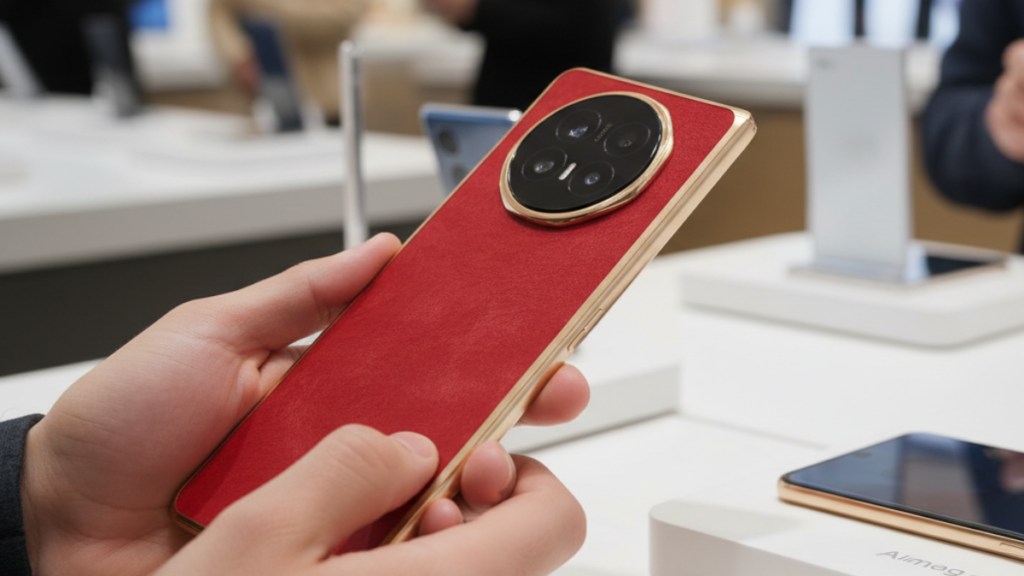
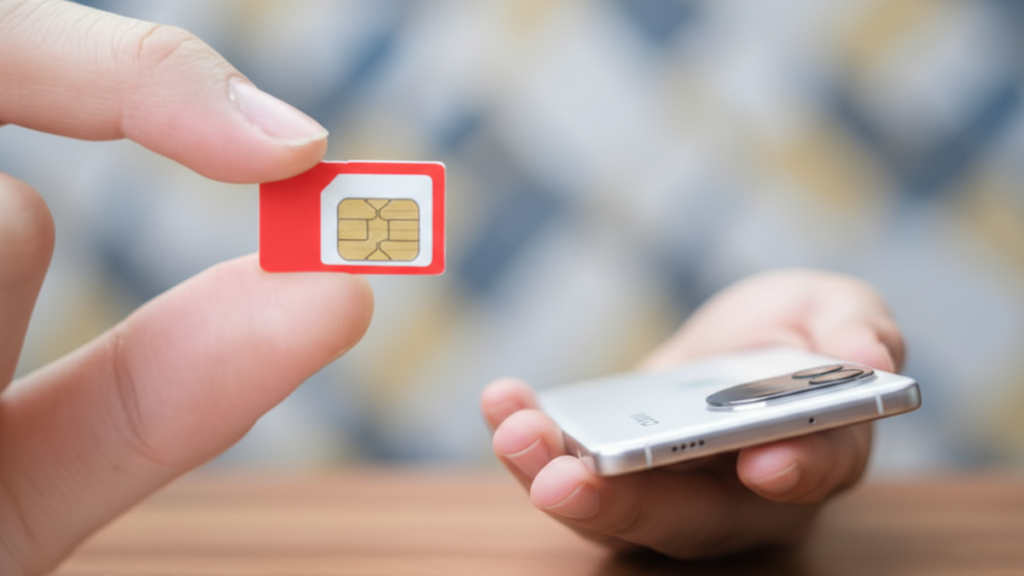
The Death of the SIM, If you’re planning to upgrade your phone this year or next, you need to prepare for a “hole-less” future. While Apple started this fire in the US back with the iPhone 14, the rest of the world—and the Android ecosystem—is finally catching up. But the story isn’t just about eSIM anymore. In 2026, the real game-changer is iSIM (Integrated SIM), and it’s about to change how your phone is built from the inside out.

I remember the first time I popped a credit-card-sized SIM into a Nokia 3310. It felt high-tech. Over the next two decades, we watched that card shrink to Mini, Micro, and finally the Nano-SIM we use today. But as I sit in my studio in 2026, surrounded by the latest flagship releases from Samsung, Apple, and Xiaomi, one thing is glaringly obvious: the physical SIM slot is on life support.
1. What is iSIM? The “Integrated” Revolution
Most people are now familiar with eSIM—a tiny chip soldered onto the motherboard. But in 2026, even that tiny chip is being seen as “wasted space” by engineers.
The iSIM (Integrated SIM) is the next evolution. Instead of a separate chip, the SIM functionality is baked directly into the phone’s main processor (the SoC). Whether you’re running the Snapdragon 8 Elite or the latest Apple A19 Pro, the “Secure Enclave” inside that processor now acts as your SIM.
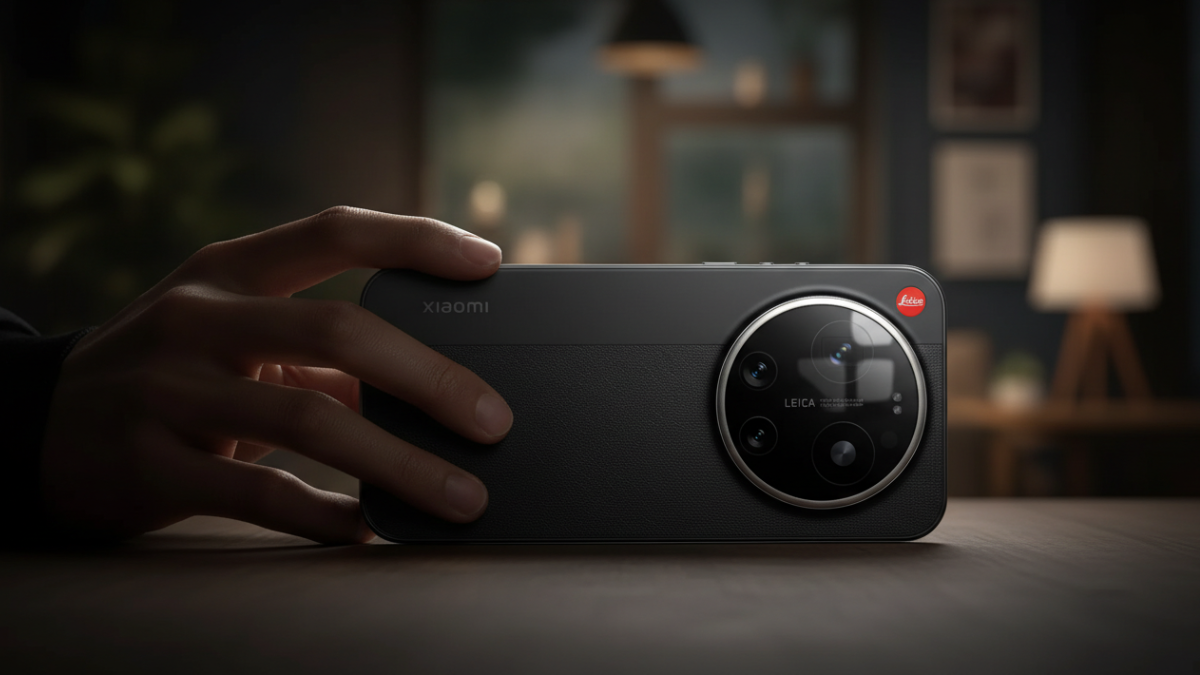
Why does this matter to you?
- Zero Physical Footprint: It takes up less than 1 mm² of space on the silicon.
- Power Efficiency: Because it’s part of the main chip, it uses significantly less power to stay connected to the network.
- Cost: It’s cheaper for manufacturers to implement, which should (theoretically) keep phone prices from skyrocketing.
2. Apple’s Global Push: The iPhone 17 and 18 Strategy
For the last few years, the “eSIM-only” iPhone was a US-specific quirk. In 2026, that wall is crumbling.
Leaks from European and Asian supply chains suggest that the iPhone 17 Pro and the upcoming iPhone 18 lineup will finally drop the physical SIM tray in major markets like the UK, Germany, and even parts of Southeast Asia. Apple’s internal data shows that once a user moves to eSIM, they rarely go back.
From my perspective as a reviewer, Apple is using the SIM slot removal as a “trojan horse” for their next big design goal: The Portless iPhone. By removing the SIM tray, they’ve already solved one-third of the waterproofing and structural challenges required to make a phone that is essentially a solid slab of glass and titanium.
3. Space is King: Bigger Batteries and Better Optics
Every millimeter inside a phone is a battlefield. As Ameer Hamza, I’ve spoken to hardware engineers who tell me that removing the physical SIM tray and its internal “cage” frees up enough room for about 200mAh to 300mAh of extra battery capacity.
In an era where we are demanding 7,000mAh Silicon-Carbon batteries, that extra space is precious. It’s also space that can be used for:
- Periscope Zoom Lenses: Larger prisms for 10x or 20x optical zoom.
- Vapor Chambers: Better cooling for high-performance AI tasks.
- Taptic Engines: Stronger, more precise haptic feedback.
When you look at your next phone and wonder why it lasts two hours longer than your old one, don’t just thank the software. Thank the fact that your SIM card is now “invisible.”
4. The Security Advantage of the “Secure Enclave”
One of the most common questions I get is: “Ameer, if I don’t have a physical card, can my phone be hacked more easily?”
Actually, it’s the opposite. Physical SIM cards are surprisingly insecure. They can be physically stolen, cloned with specialized hardware, or swapped via social engineering at a carrier store.

With iSIM and eSIM, the security is tied to the device’s hardware-level Secure Enclave. It is virtually impossible to “extract” an iSIM profile once it’s installed. Furthermore, if your phone is stolen, the thief can’t just pop out the SIM to stop you from tracking it. As long as the phone has power, the digital SIM stays active, allowing you to use “Find My” services with much higher reliability.
5. The “Traveler’s Dilemma”: Is It Ready for Everyone?
I travel a lot for tech launches, and I’ll be honest: the transition hasn’t been perfect. In 2026, while major carriers in the US and Europe are eSIM-ready, many smaller providers in developing regions are still catching up.
If you’re a “digital nomad” or someone who likes to buy a cheap $5 plastic SIM at a kiosk in an airport in Bali or Cairo, the “slot-less” future might feel like a headache for another year or two. However, the rise of apps like Airalo and Holafly has largely solved this. You can now buy a local data plan before your plane even touches the tarmac.
The industry is moving toward Quick Transfer protocols that allow you to move an eSIM from an iPhone to an Android (and vice-versa) with a single tap. Once that becomes a global standard later this year, the last excuse for keeping the physical slot will disappear.
6. Verdict: Should You Fear the Change?
Change is always annoying at first. I remember when we lost the headphone jack; we complained, then we bought AirPods, and now we never look back. The SIM tray is the next headphone jack.
The benefits—better waterproofing, bigger batteries, and enhanced security—far outweigh the minor inconvenience of setting up a digital profile. My advice? When you buy your 2026 flagship, embrace the eSIM/iSIM life. It’s cleaner, smarter, and it’s the only way we’re ever going to get those 7,000mAh batteries we’ve been dreaming of.
The physical SIM isn’t just dying; it’s already a ghost.
Comparison: Physical SIM vs. eSIM vs. iSIM (2026 Standards)
| Feature | Physical Nano-SIM | eSIM (Embedded) | iSIM (Integrated) |
| Space Required | High (Slot + Tray) | Minimal (6x5mm chip) | Zero (Inside CPU) |
| Security | Low (Physical Theft) | High (Encrypted) | Ultra (Secure Enclave) |
| Power Drain | Moderate | Low | Ultra-Low |
| User Ease | Manual Swapping | Digital Setup | Instant/Zero-Touch |
| Durability | Tray can break | Solder can fail (Rare) | Indestructible |
Frequently Asked Questions
What is the difference between eSIM and iSIM?
An eSIM is a physical chip soldered onto the motherboard, while an iSIM is integrated directly into the device’s main processor (SoC), saving more space and power.
Will the iPhone 18 have a physical SIM slot?
Current leaks suggest that Apple will expand its eSIM-only strategy to the iPhone 18 lineup globally, removing the physical SIM slot in most major international markets.