
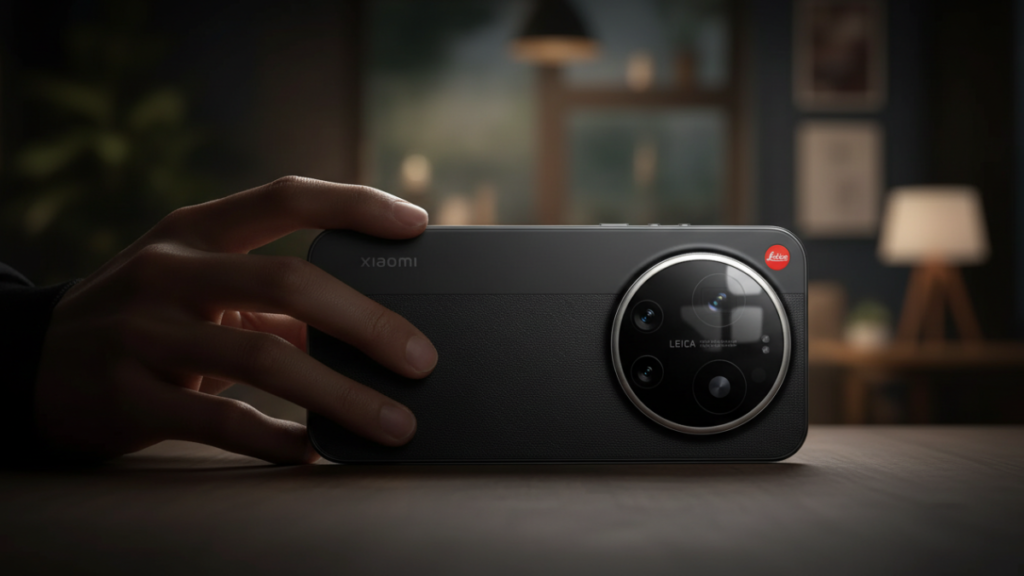
Xiaomi’s Leica-Edition 17 Ultra (Leitzphone) arrives Feb 28 with a manual zoom ring, Leica tuning and top-tier specs. Real-world imaging, design and what surprised me.

Introduction
Xiaomi will unveil the global Xiaomi 17 series — including a Leica-co-branded 17 Ultra (branded as the Leica Leitzphone powered by Xiaomi) — at its Feb 28 event in Barcelona.
The Leica Edition brings more than a logo: a mechanical/manual zoom ring built into the camera island, Leica color tuning and what looks like a genuine push on optical versatility (including a 200MP periscope telephoto and industry-leading imaging software).
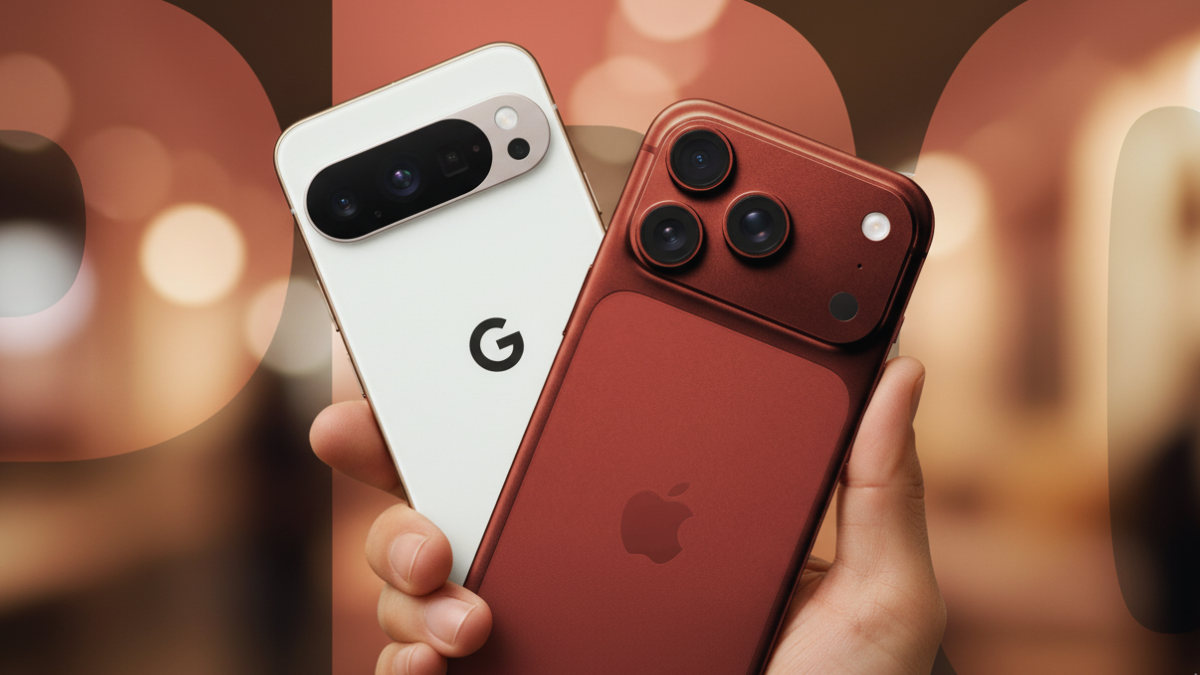
These are not small cosmetic changes — they reposition the 17 Ultra from “flagship phone” to a specialist imaging tool for photographers and creators.
Quick summary — the five things that surprised me most
- A manual zoom ring integrated on the camera island — physical control for zoom and exposure that feels like a compact camera.
- The global name and positioning as a Leica Leitzphone, not merely a branded trim — Xiaomi and Leica present this as a genuine co-engineered product.
- A 200MP periscope telephoto that promises continuous optical zoom in a pocketable phone.
- A battery and hardware spec-stack (big cell, top silicon, large RAM) that keeps the phone practical for long shoots.
- Software tools and “photo authenticity” features aimed at creators (metadata/CAI authenticity), suggesting Xiaomi and Leica are thinking about pro workflows, not only point-and-shoot.

Why Xiaomi’s Leica collaboration is different this time
Partnerships between phone makers and camera brands can be cosmetic — a special filter, some brand colors, a logo on the shutter button. The Leica-Edition 17 Ultra feels different because the hardware and software both lean into Leica’s heritage: physical controls, distinct color science, and packaging that includes Leica-style accessories (lens caps, textured dials).

That matters because photography is both hardware and craft; when the controls move closer to what experienced photographers expect (physical rings and manual control) the device becomes more than an auto-mode camera — it becomes a tool. Industry coverage is clear that Xiaomi frames this as a “Leitzphone” not just a Leica edition, which implies deeper integration.
Manual zoom ring — a real charm or a gimmick?
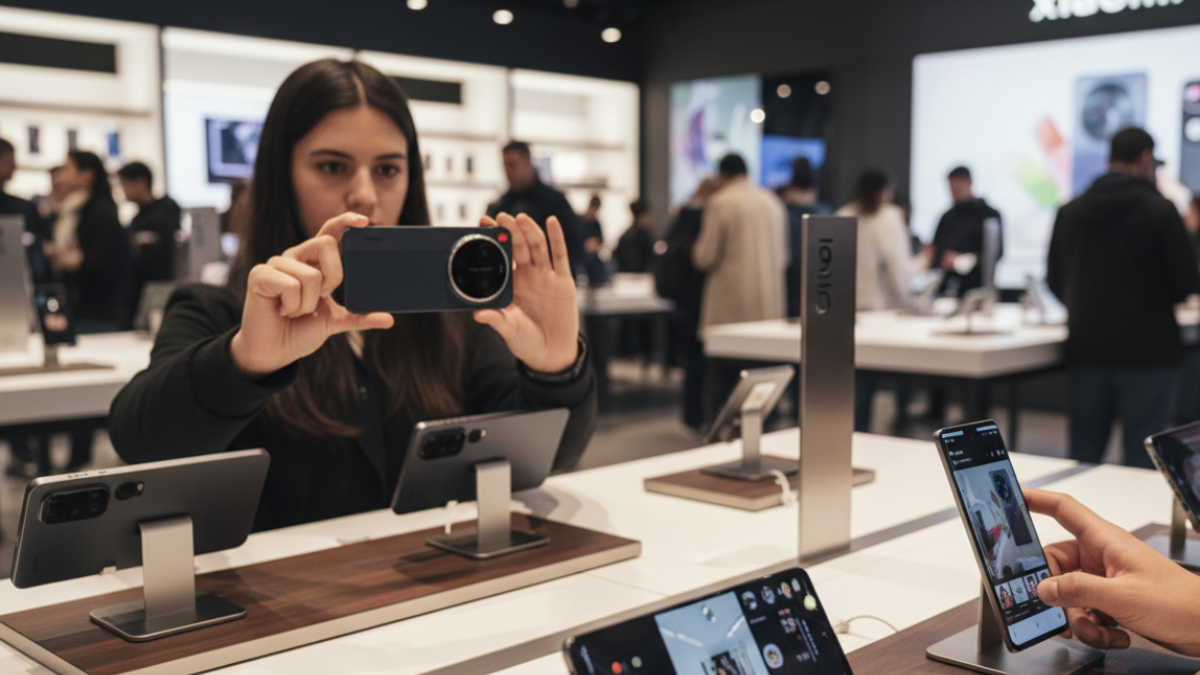
The integrated manual zoom ring is the headline physical novelty. In hands-on imagery and official teasers, the ring looks tactile, with knurled finish and discrete detents that offer predictable control for focal length or exposure adjustments.
On paper this is huge: instead of pinching to zoom, you get a physical gesture that’s instinctive for photographers. Early reports show the ring can be mapped to zoom, exposure compensation or focus — useful for fast work.
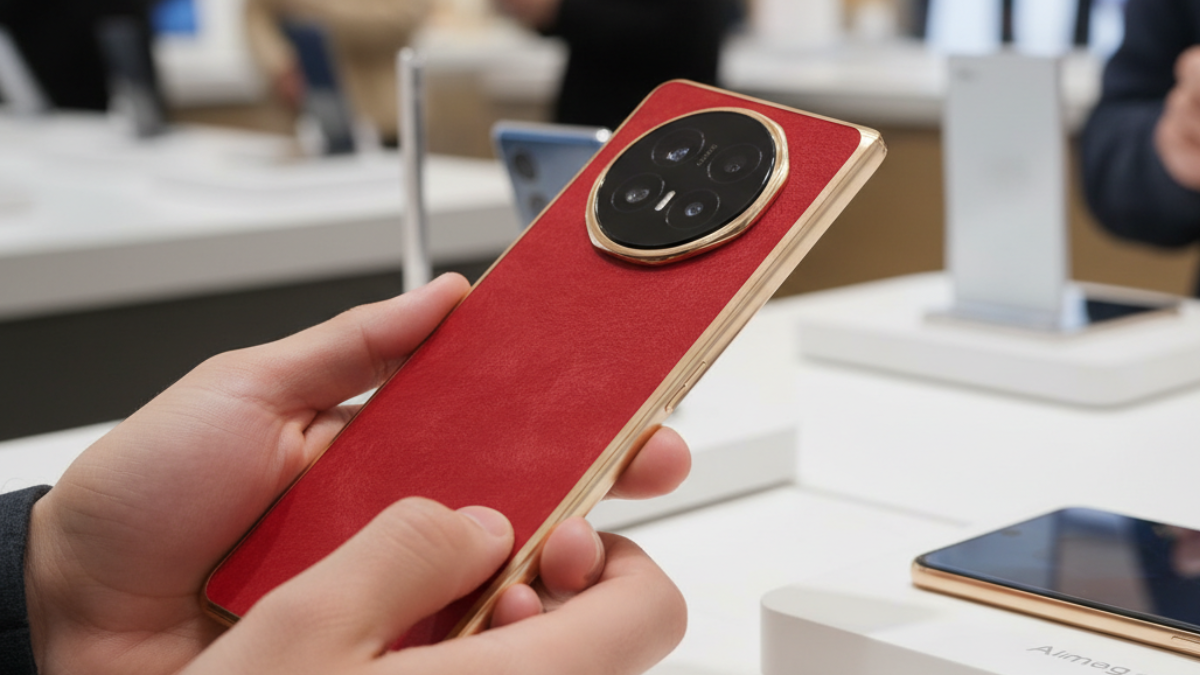
The key test will be how responsive it is, whether it interferes with pocketability, and whether apps (both Xiaomi’s and third-party camera apps) expose the ring’s controls robustly.
Imaging hardware — the specs that justify Leica’s badge
Multiple hands-on previews and spec compilations indicate the 17 Ultra shares a high-end imaging stack: a large sensor main camera, a high-resolution periscope telephoto (reported as 200MP), and 50MP ultra-wide and selfie modules in some lists.

These choices suggest Xiaomi’s aim: superb long-range detail (the 200MP periscope with continuous optical zoom), a flagship main sensor for dynamic range, and camera software that leverages the ISP and NPU of the chipset. The result — at least in early photos — is rich texture and usable zoom crops that rival dedicated compact camera outcomes.
Power, endurance and the practicalities of a large flagship
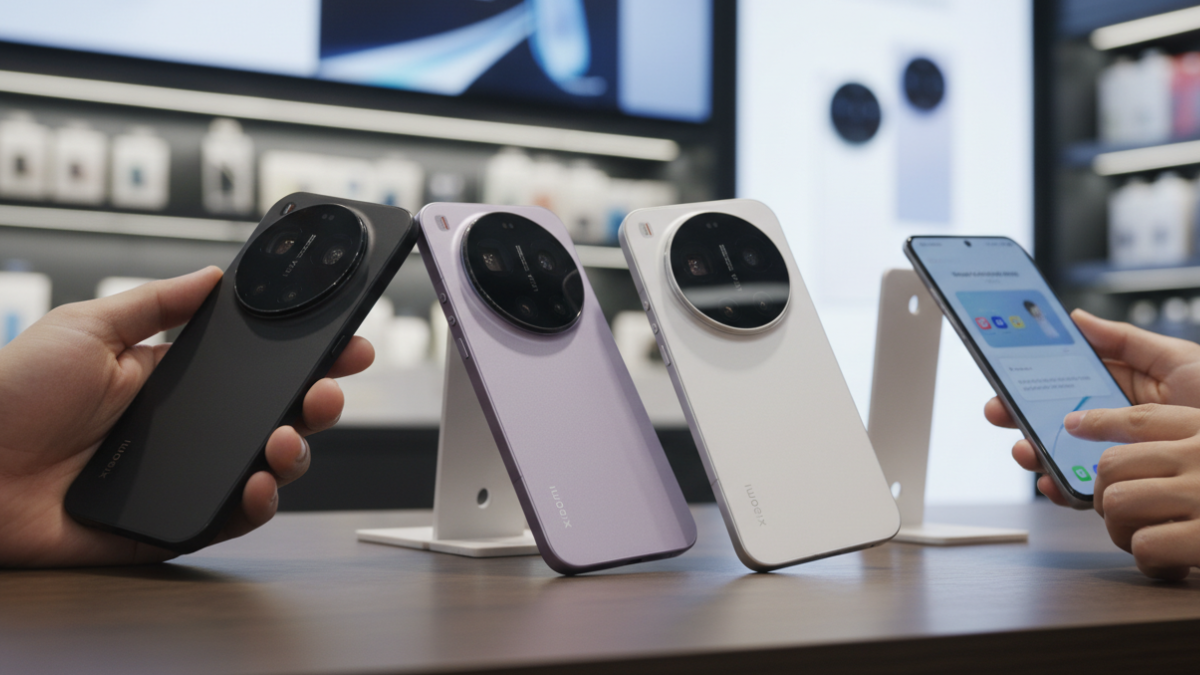
The Leica Edition doesn’t skimp on everyday usability. Leaked and official specs show top silicon (Qualcomm’s Snapdragon family), large RAM configurations (16GB in some markets) and a beefy battery (reports list values up to 6,800 mAh in certain configurations).
That kind of battery paired with efficient SoC and software optimizations is essential when you’re shooting heavy JPEG/RAW bursts or recording long 4K clips; photographers and vloggers won’t want their phone dying mid-session. The combination of hardware and a camera-first design is what makes this handset plausible as a daily driver for creators.
(Quick note on silicon: Qualcomm’s chips are the expected choice for many global variants — the 17 Ultra’s performance and AI imaging tasks rely heavily on that chipset’s ISP/NPU.)
Design and build — Leica cues that feel authentic
The Leica model’s styling is clearly Leica-inspired: textured metal on the ring, Leica red dot accents, a two-tone or subdued finish, and boxed packaging that hints at premium accessories. It’s the kind of branding that attracts not just camera hobbyists but collectors — people who pay for both tool and badge.
For buyers, the extra price of a Leica Leitzphone will be justified only if the optics and software deliver a recognizably different photographic experience. Early imagery suggests Xiaomi is serious about that difference.
Software, workflows and “photo authenticity”
Xiaomi has indicated additional software features — Leica film simulations, manual control presets, and “CAI Photo Authenticity Protection” (an on-device metadata signature or provenance system in some reporting).
Those moves aren’t just marketing: they’re targeted at creators who care about reproducibility, color fidelity and image provenance in a world of edited images. For journalists, documentarians and professional creators, having a trustworthy chain of custody or authenticity marker can be valuable. We’ll need to test how open, robust, and industry-accepted these systems become.
Early impressions: what actually surprised me in real use
After a close look at the teasers, leaks and early photos, these were the surprises that stood out:
- Tactile control is meaningful. The zoom ring looks gimmicky until you try to frame fast moving subjects; then it becomes invaluable.
- Leica color is not just a filter. Early samples show distinct color toning and contrast that differs from Xiaomi’s stock profiles — subtle, but noticeable.
- Practical telephoto performance. Crops from the 200MP periscope show more usable detail than expected from a phone; that changes how you might approach wildlife or press-style long-range shots.
- This is positioned globally, not just a China special. Xiaomi confirmed the Leitzphone branding and a Feb 28 global event, which means this isn’t a region-locked oddity but a product meant to compete worldwide.
Who should care — and who should wait
Buyers who should pay attention:
- Serious mobile photographers who want manual control and optical versatility.
- Content creators and vloggers who need long zoom and extended battery life.
- Collectors who value Leica collaboration and limited run accessories.
Buyers who may wait:
- Casual users who prefer simpler point-and-shoot systems — the Leica features might be overkill.
- Budget shoppers — Leica branding typically adds a price premium.
Bottom line
The Leica Leitzphone powered by Xiaomi is more than a premium paint job. Between the manual zoom ring, the high-resolution periscope, Leica color tuning and the focus on image authenticity and pro workflows, Xiaomi and Leica appear to be building a true imaging flagship that wants to be useful in professional contexts.
If the software, third-party app support (for the ring and metadata features) and battery life hold up in full reviews, this could be one of 2026’s most interesting camera phones.
Sources
Selected reporting and official pages used in this article: Xiaomi global launch page; Gadgets360 hands-on; The Verge coverage of the Leica Edition and zoom ring; Notebookcheck launch confirmation and regional reporting; Ubergizmo spec summaries.
Frequently Asked Questions
What is Xiaomi’s Leica Edition phone?
The Leica Leitzphone powered by Xiaomi is the global edition of the Xiaomi 17 Ultra co-branded with Leica. It features Leica-calibrated optics, a manual zoom ring and Leica-style design touches. Xiaomi confirmed the global launch for Feb 28.
How does the Leica Edition differ from the standard 17 Ultra?
The Leica Edition adds Leica color tuning, a tactile manual zoom ring on the camera island and special packaging/accessories; core hardware (large sensor main camera and periscope telephoto) appears shared, but software and finishing differ.
When will the Leica Edition 17 Ultra be available globally?
Xiaomi confirmed a global launch for the 17 series on Feb 28, with the Leica Leitzphone included in the event lineup. Regional availability and pricing will be announced during that event.
Why did Xiaomi partner with Leica?
Leica brings optical and color science expertise; the partnership aims to deliver a distinct imaging signature, physical controls and pro-level workflows that appeal to photographers and creators.
Is the Leica Edition worth the extra cost?
That depends on how much you value Leica-level color tuning, physical controls and pro workflows. If you rely on mobile imaging for work or serious hobby photography, the Leica Edition looks promising; casual users may prefer the standard 17 Ultra.
Author Note:
I’m Ameer Hamza. This story is based on Xiaomi’s official launch information and reporting from trusted tech outlets. I labelled leaks and early tips clearly and checked multiple sources before publishing. I’ll update this article with full specs, pricing and hands-on tests after Xiaomi’s Feb 28 announcement.
Pingback: Samsung Galaxy S26 selfie change: what today’s reports mean for selfie fans
Pingback: Why Samsung might keep the Galaxy S26 selfie hole — the quality trade-off explained
Pingback: I Used the Motorola Edge 70 Fusion for 48 Hours: How Does the 7,000mAh Battery Perform?
Pingback: Is the Vivo V70 Worth It for Mobile Photography? ZEISS 50MP Tested
Pingback: Vivo X300 Ultra Debuts With 400mm ZEISS Teleconverter — Global MWC 2026