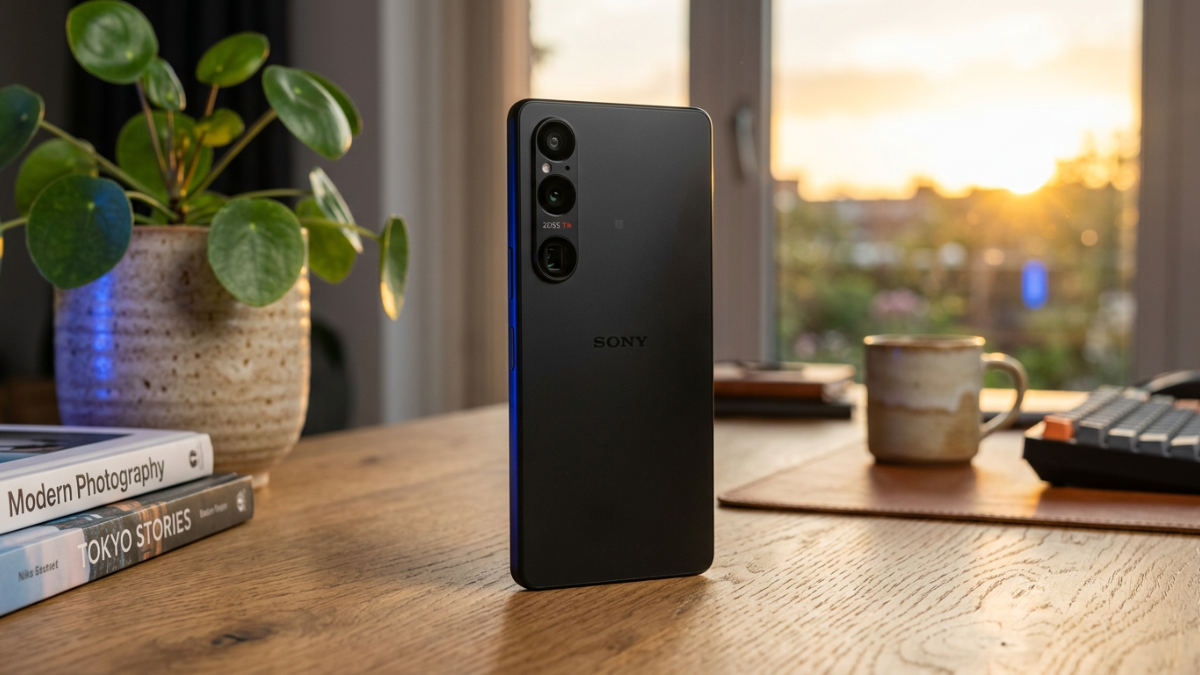
The Sony Xperia 1 VII was not designed for everyone. Sony knows that. And after spending a weekend filming with nothing but this phone, so do I. Here is why my DSLR stayed in its bag for three days straight.

Introduction
There is a specific moment that made me question everything about carrying a heavy camera bag. I was standing on a narrow bridge, golden hour light spilling across the water, and my Sony Xperia 1 VII was already recording in 4K at 120fps with S-Cinetone color science applied live.
No tripod. No rig. No lens swapping. Just a phone with a physical shutter button and a Pro Video interface that looks almost identical to what you get on a Sony Alpha A7 IV.
With cutting-edge sensor technology, advanced computational imaging, and precise manual video controls derived directly from the Alpha series, the Xperia 1 VII is not merely a phone with a good camera. It is a cinematic tool, purpose-built for filmmakers, content creators, and image purists who demand Alpha-level control.

I am Ameer Hamza, and at the Global Tech Press, I spent a full weekend testing whether the Sony Xperia 1 VII camera could genuinely replace a DSLR for short film work, street photography, and run-and-gun video content. Here is the honest verdict.
The “Powered by Alpha” Camera System
The Xperia 1 VII carries Sony’s “Powered by Alpha” branding for a reason. Sony announced the Xperia 1 VII as a phone designed in collaboration with the engineers of its Alpha digital cameras, Walkman portable audio players, and BRAVIA televisions.
That collaboration is not just marketing. The camera UI is heavily influenced by the company’s Alpha real cameras division. The buttons, menus, and operation all look like what you would find on an A7 IV. You get the same green square visualizations for focus points, Eye AF, real-time tracking AF, and a similar menu structure.
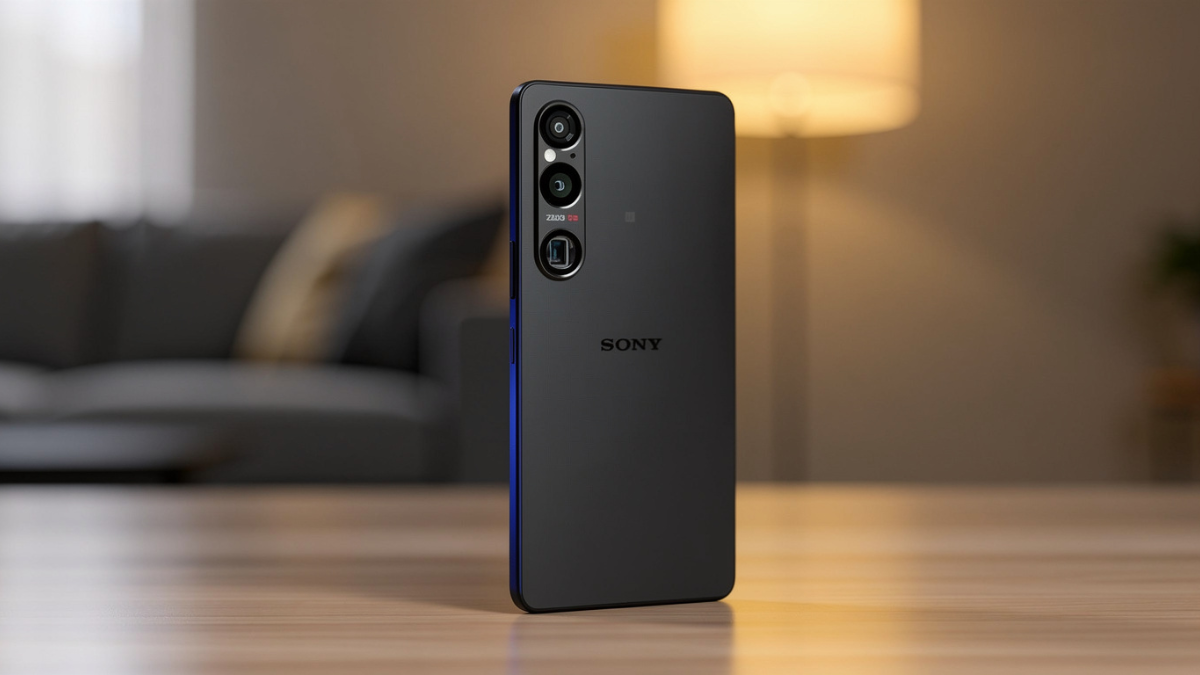
The rear camera setup consists of three lenses, all with ZEISS T coating:
The main wide-angle camera uses a 1/1.35 inch Exmor T sensor at 52MP (48MP effective), f/1.9, with OIS and PDAF at 24mm. The ultrawide uses a 1/1.56 inch Exmor RS sensor at 50MP, 16mm. The telephoto is a 12MP sensor behind a periscope lens covering 85mm to 170mm equivalent focal length with continuous optical zoom.
Pro Video and S-Cinetone: Where It Gets Serious
This is where the Sony Xperia 1 VII leaves every other smartphone behind.
Built with industry-leading Alpha technology, Creative Look and S-Cinetone for mobile ensures colour and tonality much more typical of a professional camera than a smartphone.
S-Cinetone is the same color profile used in Sony’s professional cinema cameras like the FX3 and FX6. The S-Cinetone color profile gives a more cinematic look. It renders skin tones with warmth and subtlety, avoids harsh contrast, and produces footage that grades beautifully in post production.
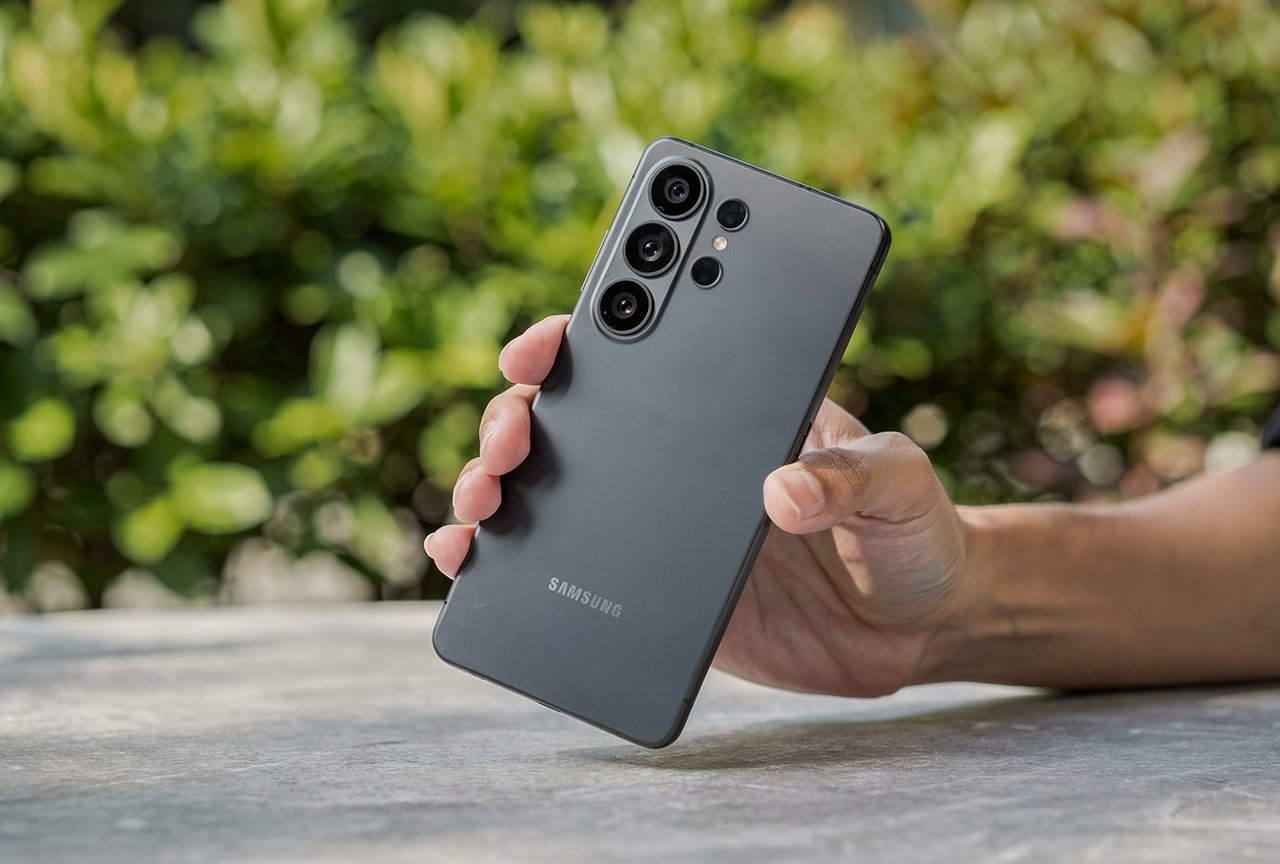
The Pro Video mode gives you full manual control over shutter speed, ISO, white balance, and focus. Sony has made its advanced camera features more accessible by integrating Pro Photo and Pro Video modes into the main camera app. This allows for full manual control without jumping between separate apps.
The Xperia 1 VII is the first smartphone with 4K 120fps recording, and that alone puts it in a different category. You can capture slow motion at full 4K resolution. No other phone in 2026 does this across all three rear cameras.
AI Camerawork and Auto Framing
Sony added two AI features that fundamentally change how you film on a phone.
New features named AI Camerawork and Auto Framing allow you to capture stable and framed composition videos even when you take your eyes off the shooting screen.
In practice, this means you can set the Xperia 1 VII on a table, point it at your subject, and walk away. The AI keeps the subject locked, centered, and smoothly framed. For solo content creators and vloggers, this is a feature that replaces a gimbal and a camera operator.
This function automatically frames images by using artificial intelligence. Users no longer need to look at the smartphone’s display while recording. However, Sony has to rely on digital zoom for this feature, which likely has a negative impact on image quality.
That is the trade-off. The AI framing crops in digitally, which means some resolution loss. For social media content and web videos, the quality remains strong. For cinema-grade work, you will want to frame manually.
Where the Xperia Falls Short
I need to be honest here. Reviews have generally praised the camera and image quality of the Sony Xperia 1 VII. The reviews conclude that the camera is very good, but not on par with the very best.
Confusingly, given this is Sony, its main pitfall (other than its price) is its camera. The hardware is dated, and the processing cannot save it.
The main camera sensor has not changed significantly from the previous generation. The Xperia 1 VII does not change much in its camera hardware compared to the previous generation. The main camera maintains the same 52MP 1/1.35 inch IMX 888.
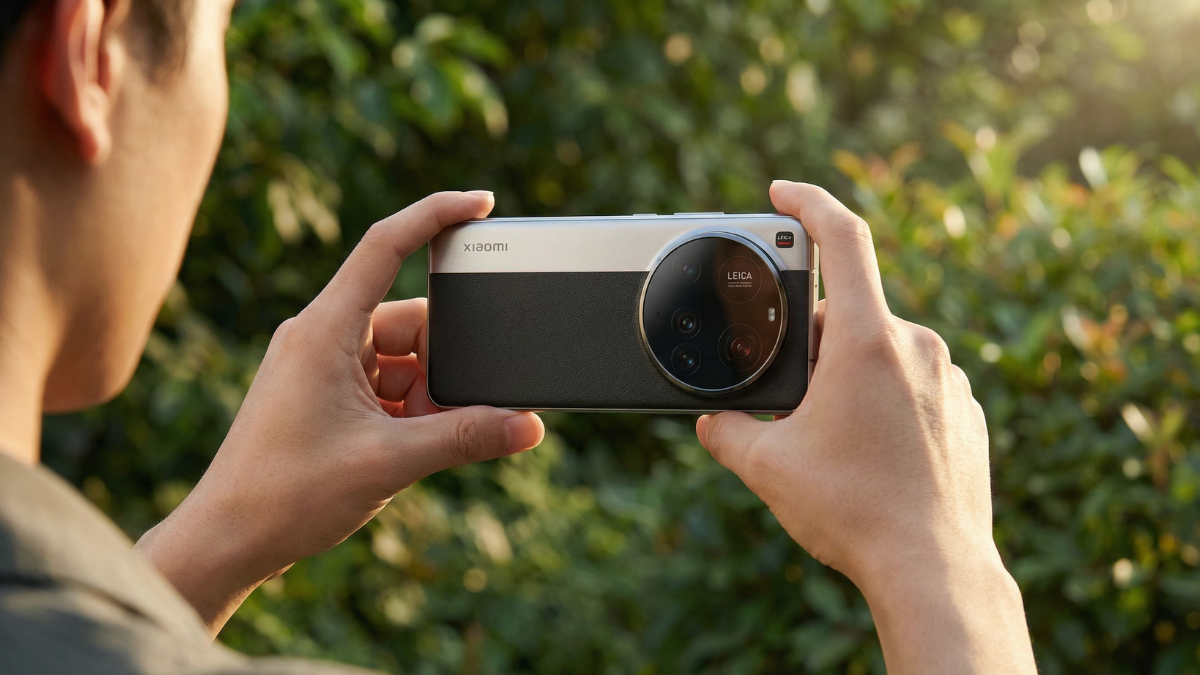
The telephoto lens, while offering a continuous zoom range that no other phone matches, struggles with sharpness at the long end. The telephoto camera is not particularly sharp. Details are there, but they appear blurry.
And at €1,499 / £1,399, the Sony Xperia 1 VII is too expensive to be competitive. The phone did not launch in the US, which limits its reach further.
The Audio Advantage Nobody Talks About
One thing that genuinely surprised me during my weekend test was the audio.
The audio capabilities have been enhanced with high-end components from Sony’s Walkman audio players, including higher quality solder in the headphone jack and support for AI-based DSEE Ultimate upscaling, Hi-Res, LDAC, and Dolby Atmos formats.
The Xperia 1 VII still has a 3.5mm headphone jack. The 3.5mm headphone jack supposedly delivers better audio quality. For video creators who use wired lavalier microphones or external mics, this is a real advantage. External Mic Support via 3.5mm jack for Rode, Boya wireless mics, which is rare in 2026.
Most flagship phones have abandoned the headphone jack entirely. The Xperia is one of the last standing.
So Did the DSLR Stay in the Bag?
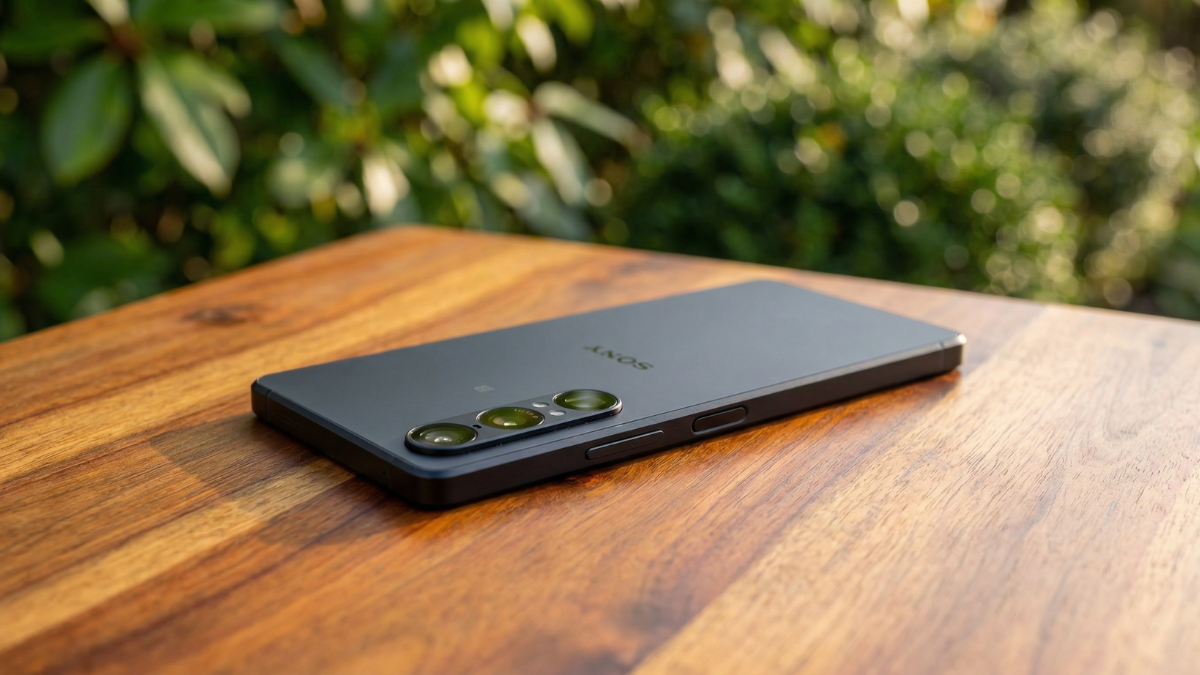
For the weekend, yes. For good? Not quite.
The Sony Xperia 1 VII camera is the closest any smartphone has come to replicating the manual control and color science of a professional camera. Pro Video, S-Cinetone, the physical shutter button, and 4K 120fps recording make it a legitimate B-camera for professional work and a primary camera for social content.
But the main sensor is aging. The telephoto is soft at range. And the price is difficult to justify when phones like the Xiaomi 15 Ultra offer more modern hardware for significantly less.
Final Thoughts
The Sony Xperia 1 VII is not trying to beat the iPhone or Galaxy in point and shoot photography. It never was. It is a phone built for people who understand shutter speed, ISO, and color grading.
If you are a filmmaker, a vlogger, or a photographer who wants genuine manual control in your pocket, this is the only phone in 2026 that delivers it with Alpha-level tools. The S-Cinetone profile alone gives your footage a cinematic warmth that no computational filter can replicate.
But know what you are paying for. At £1,399, you are buying a professional camera interface wrapped inside a phone. If that specific combination matters to you more than the latest sensor hardware, the Xperia 1 VII earns its place in your pocket. If it does not, your DSLR still wins.

Written by Ameer Hamza
Tech Analyst and Founder of Global Tech Press. Currently expanding the GTP hardware testing labs and building the next generation of digital tech media.