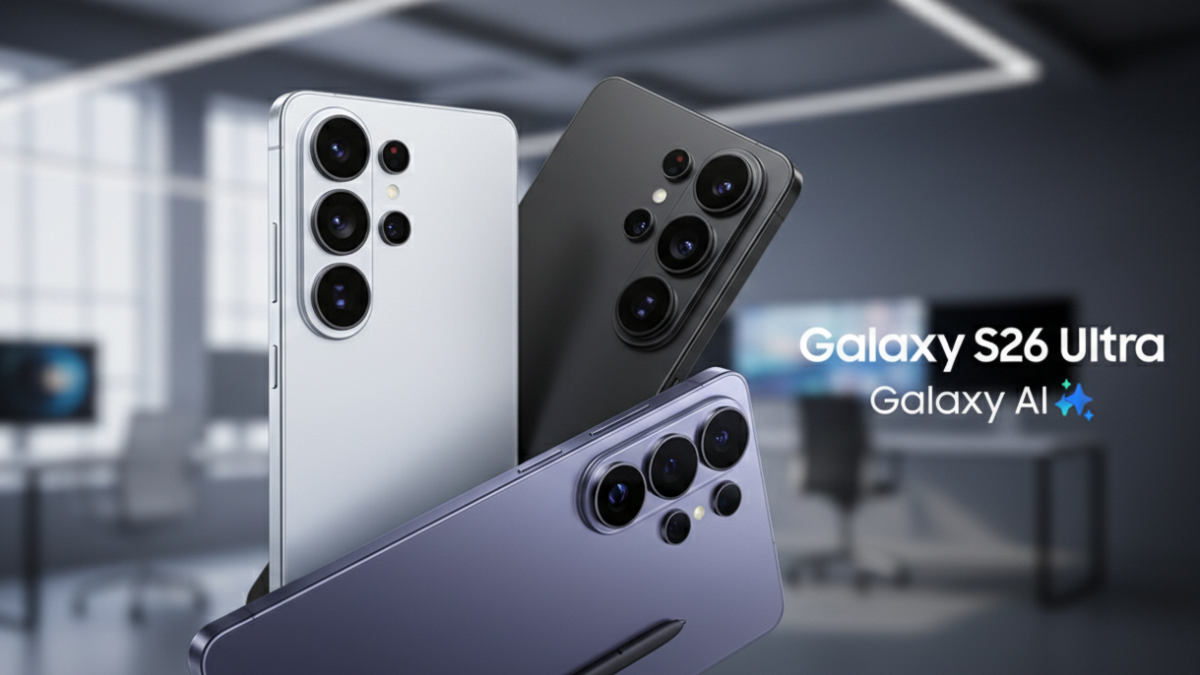
The Samsung Galaxy S26 Ultra gets all the zoom headlines. But the Xiaomi 15 Ultra has a fifth sensor on its back that you cannot shoot with and that most owners never notice. It is a 13 channel multi-spectral sensor that reads the actual color temperature of every scene before the shutter fires. Here is what it does, why it matters, and how to get the most out of it.

The Sensor You Cannot See and Cannot Use
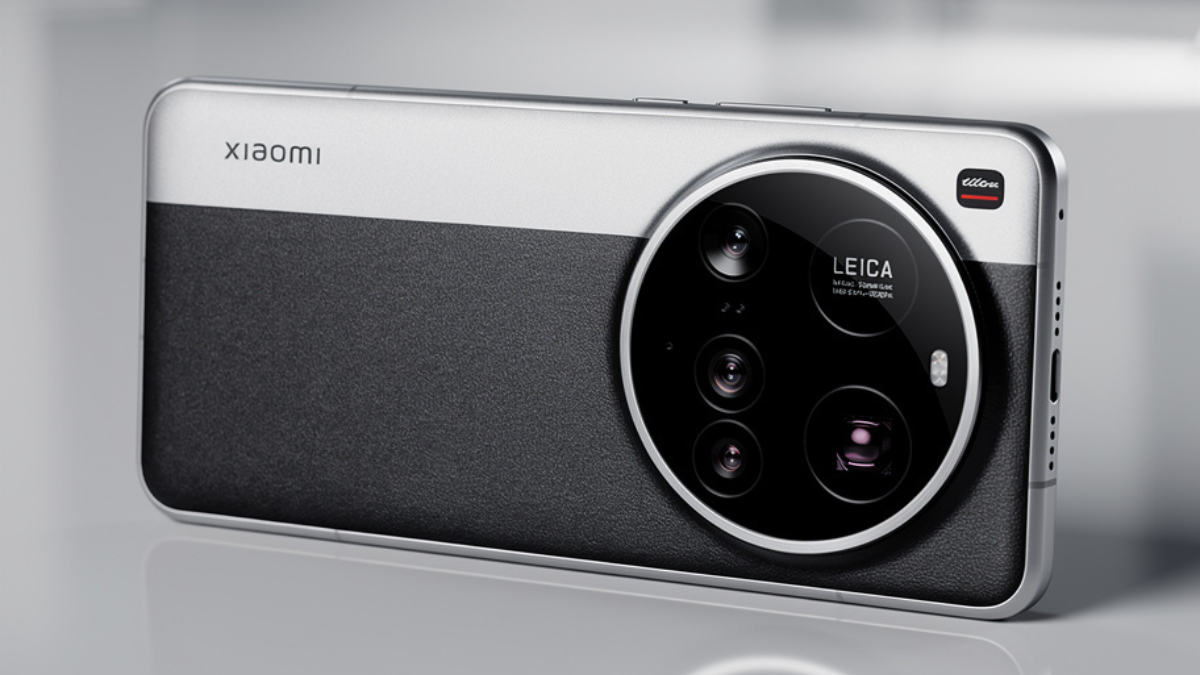
One highlight that’s new to the Xiaomi 15 Ultra is a 13-channel spectral sensor to help professionally balance color temperature and ensure greater accuracy, especially across reds and greens.
I am Ameer Hamza, and at Global Tech Press, we have been shooting with the Xiaomi 15 Ultra since its global launch.
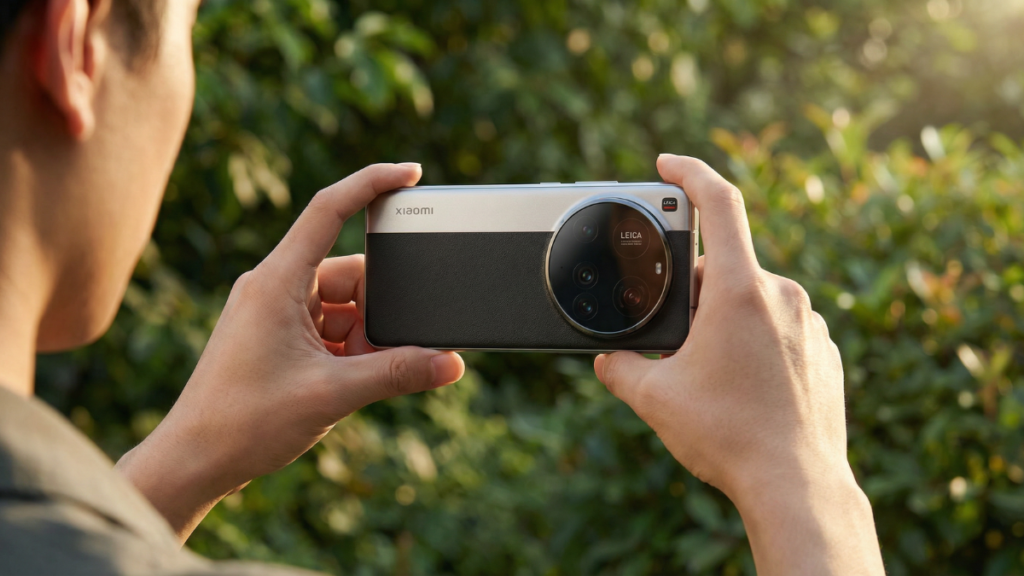
This sensor does not take photos. It does not record video. It sits quietly behind the Leica camera array and does one job: it reads the actual spectral composition of the light hitting your subject.
Then it feeds that data to all four rear cameras simultaneously.
Xiaomi’s official product page describes it simply: “13-channel multi-spectral sensor. Restore more realistic, vivid colors, and capture truly authentic Leica imagery.”
Why Color Consistency Matters More Than Megapixels
Here is the problem every other flagship struggles with.
You take a photo at 1x on any phone. The colors look warm. You switch to 3x. Suddenly the sky is cooler, skin tones shift, and the whole mood of the photo changes. This happens because each camera lens and sensor interprets color slightly differently.
In the round, the Xiaomi 15 Ultra’s cameras all nail dynamic range, noise, and white balance.
The 13 channel spectral sensor is the reason. It reads the scene once and applies consistent color data across all four rear cameras.
The Galaxy S26 Ultra does not have this. The iPhone 17 Pro Max does not have this. The Pixel 10 Pro does not have this.
No other flagship phone in 2026 uses a dedicated spectral sensor for cross lens color consistency.
The 1 Inch Sensor That Powers Everything
The excellent 1 inch Sony LYT-900 sensor is back for the primary camera. The 23mm wide camera uses a 50MP, 1 inch Sony LYT-900 sensor with an f/1.63 lens with OIS and an eight element lens. The 50 megapixel Type 1 LYT-900 sensor carries over from the previous model, complete with a Summilux lens that retains the same f/1.63 aperture and 14EV of dynamic range.
That 14EV of dynamic range is higher than the Galaxy S26 Ultra’s main sensor. It means a single photo can hold detail in both bright highlights and deep shadows without aggressive HDR stacking.
This setup allows for high dynamic range (14 EV) and excellent low-light performance, thanks to its 3.2 μm 4-in-1 Super Pixel technology.
The 200MP Telephoto Is the Real Zoom Story
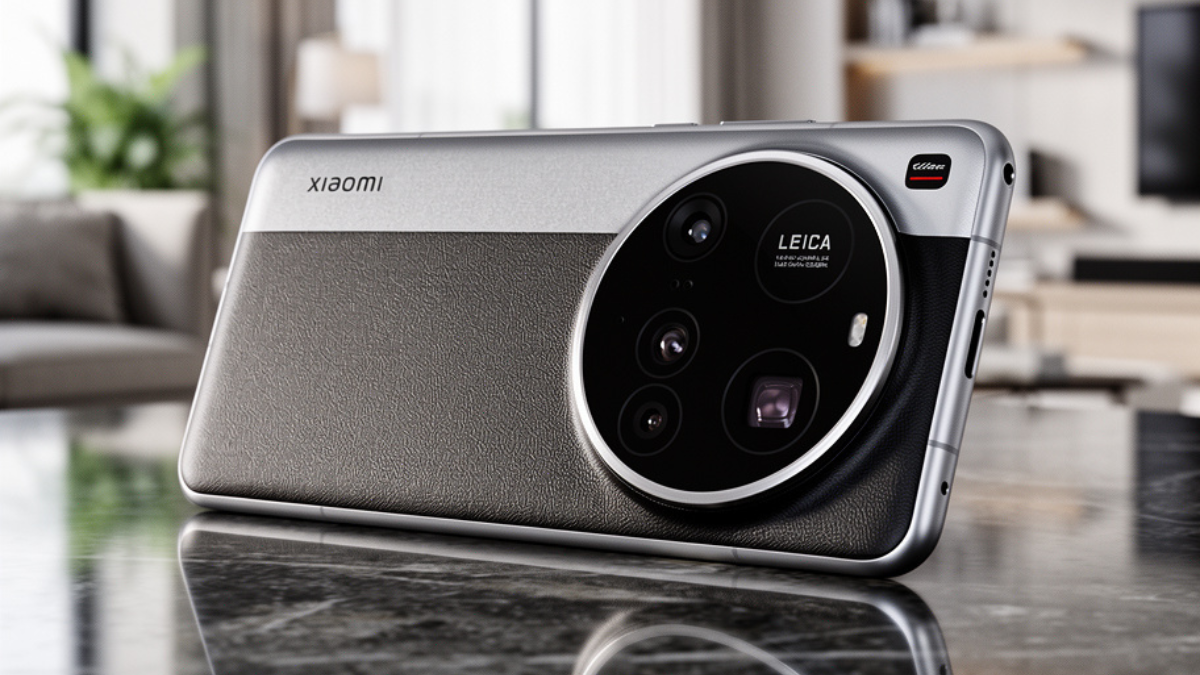
The 70mm telephoto camera uses a 50MP, 1/2.51 inch Sony IMX-858 sensor with an f/1.8 lens with OIS. The 100mm periscope camera uses a 200MP, 1/1.4 inch Samsung HP9 sensor with an f/2.6 lens with OIS.
That 200MP resolution allows for lossless crops at extreme zoom. At 4.3x, you get the full optical image. At 8.6x (200mm), you get a 50MP crop. At 17.3x, a 12.5MP crop.

While not always a slam dunk for sharpness handheld, it’s not hard to take a stabilized image, even when you do move up to 200mm (8.6x) or 233mm (10x). Even at 698mm (30x) in good lighting, the lens can take excellent photos.
The Galaxy S26 Ultra has a 50MP 5x periscope. Its 10x is a digital crop giving 12.5MP. The Xiaomi 15 Ultra gives you 50MP at the same distance.
That is four times more resolution at the same zoom range.
The Leica Color Science That Changes the Mood
The camera’s default color palette is quite reserved, but Xiaomi’s selection of filter flavors and pro mode photography styles makes it effortless to take the camera in more expressionate directions. The Fuji fan in me feels right at home with the Scarlet filter, reminiscent of the beloved Classic Chrome. Even the more minor tweaks afforded by the Positive and Negative filters are enough to effortlessly elevate pictures.

There are two main modes. Leica Authentic delivers muted, film like tones. Leica Vibrant pushes saturation for punchier output.
The 13 channel spectral sensor makes the biggest difference in Leica Authentic mode. The accurate color temperature data combined with reserved processing produces photos that look intentional rather than algorithmically processed.
The Photography Kit Most People Skip
The optional Photography Kit is a must have accessory (£179). Without the kit, the phone and its camera app largely handle like any other for photography. But with it, now we talking a similar experience to some premium compact cameras.
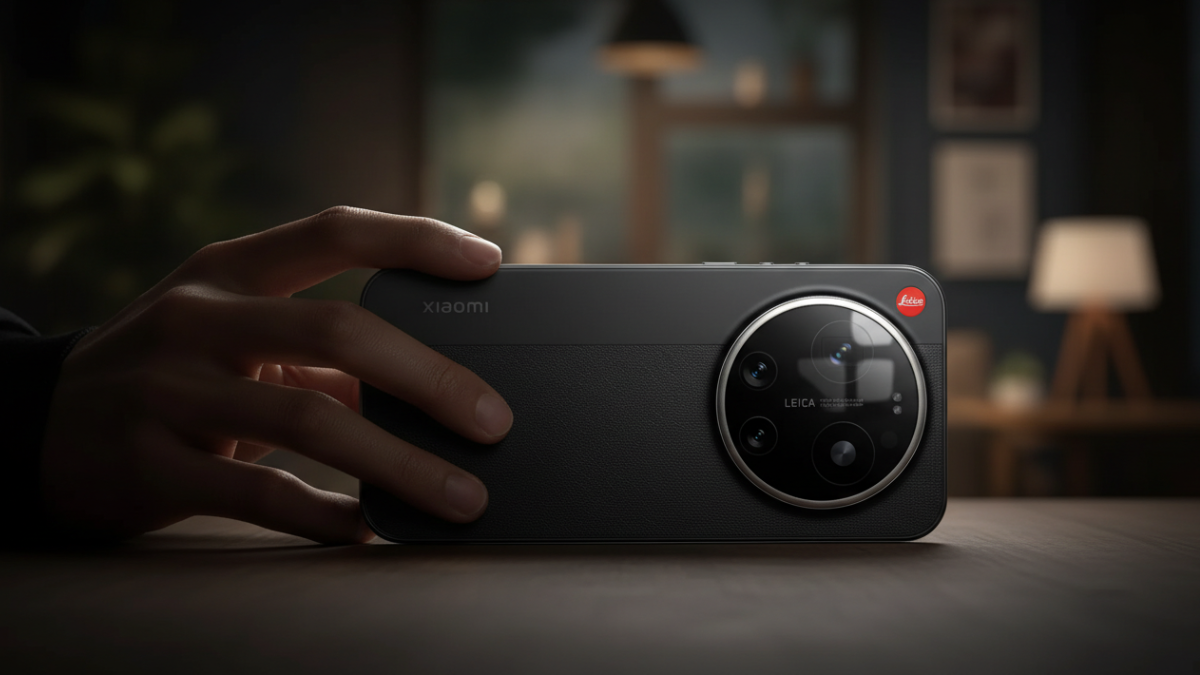
The kit adds a physical grip with a shutter button and thumb support. It transforms the phone into something that handles like a dedicated camera.
The grip features a shutter button, for which there are screw in caps that make for an even more tactile feel. However, the reviewer lost one of these caps within a month as they do unscrew a little too easily.
The Video Capabilities Are Equally Strong
The Xiaomi 15 Ultra can record video up to 8K30 with all of its rear cameras. 4K120 is available on the main camera and the 4.3x telephoto. Dolby Vision capture is on the menu as well, up to 4K60 on all rear cameras. A Pro video mode is also part of the feature set, with manual exposure controls, LOG recording, LUT support, and a tiny waveform.
For creators who shoot and edit on the same device, the LOG recording across all four rear cameras is a genuine professional tool.
Xiaomi 15 Ultra Verified Camera Specs
| Camera | Spec |
|---|---|
| Main | 50MP Sony LYT-900, 1 inch, f/1.63, OIS, 14EV dynamic range, 23mm |
| Telephoto 1 | 50MP Sony IMX858, 1/2.51 inch, f/1.8, OIS, 70mm, macro from 8.5cm |
| Telephoto 2 | 200MP Samsung ISOCELL HP9, 1/1.4 inch, f/2.6, OIS, 100mm, 4.3x optical |
| Ultrawide | 50MP Samsung JN5, 1/2.76 inch, f/2.2, 14mm, 115 degree FoV, AF |
| Spectral | 13 channel multi-spectral sensor for color temperature balancing |
| Front | 32MP OmniVision OV32B, f/2.0, 21mm |
| Video | 8K 30fps all rear cameras, 4K 120fps main + 4.3x telephoto, Dolby Vision, 10 bit LOG |
| Color Science | Leica Summilux (Authentic / Vibrant modes + 12 filters) |
The Honest Limitations
Had Xiaomi managed to keep the variable aperture and gone with a better ultra wide sensor, the 15 Ultra might be the best overall mobile phone camera around, even with its dynamic range issues.
The variable aperture from the 14 Ultra is gone. The ultrawide was downgraded to a smaller Samsung JN5 sensor.
The Xiaomi 15 Ultra lacks UWB support and its SoC throttles under sustained load. Xiaomi could also have been more generous with software updates, even Samsung’s mid range devices handle this better.
And the phone is not officially available in the United States. You can import it, but without warranty or carrier support.
My Honest Take
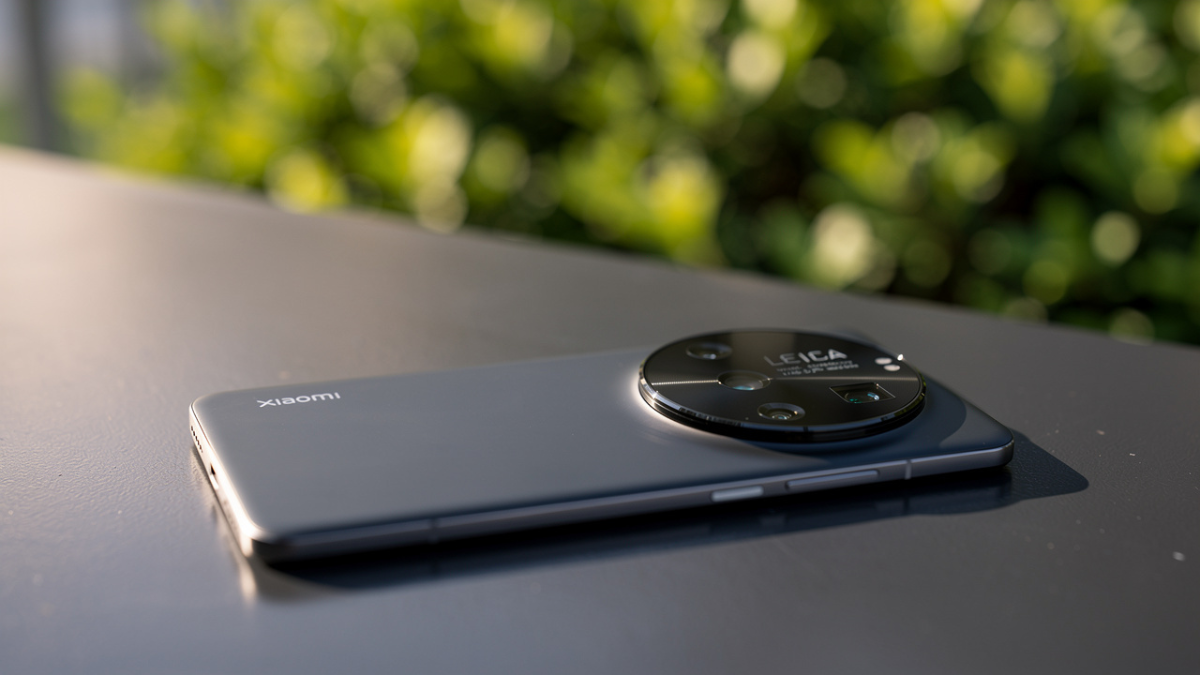
Apple, Samsung, and Google don’t really do enough to foster more creative photography for the average user. Not talking about slapping on filters, just providing tools that enable users to take photos under broader conditions and versatile settings. The 15 Ultra is right at home in street photography as it would be at a sporting event. It can take lovely portraits while also capturing the mood of a scenic locale.
The Galaxy S26 Ultra has better zoom range at 5x native. The iPhone 17 Pro Max has better video stabilization. The Pixel 10 Pro has better computational night mode.
But no phone in 2026 has a dedicated 13 channel spectral sensor feeding accurate color data to every rear camera simultaneously. That one hidden sensor is the reason the Xiaomi 15 Ultra’s photos look consistent across all four lenses.
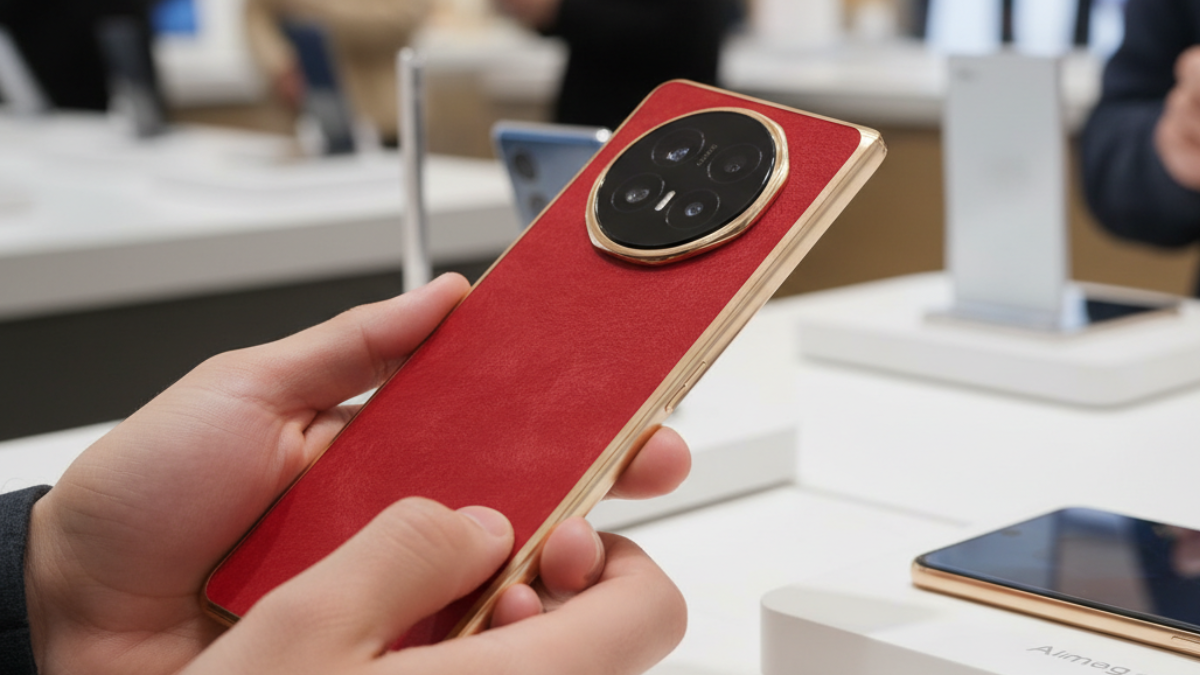
The Xiaomi 15 Ultra is an excellent camera phone. The wide camera missing out on a variable aperture, downgraded ultra wide camera, and occasional photo processing issues hold it back from perfection. Nevertheless, anyone who wants exceptional zoom, a 1 inch main sensor, an excellent camera grip, and Leica’s classical image tuning would be well served with Xiaomi’s latest Ultra flagship.
If you own this phone, the spectral sensor is already working. You do not need to enable anything. But understanding what it does helps you appreciate why your photos look the way they do.
And why Samsung, Apple, and Google still cannot match it.