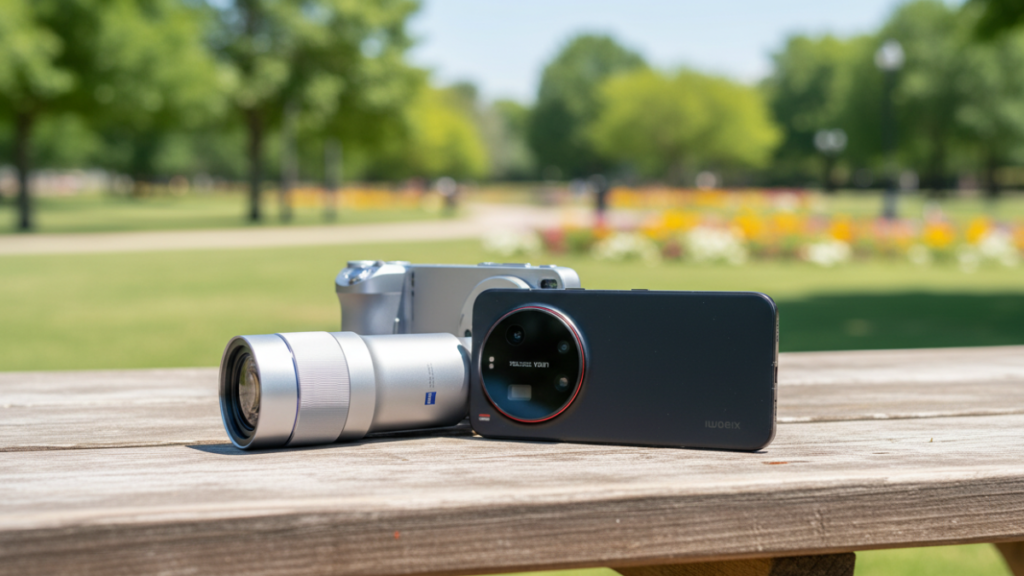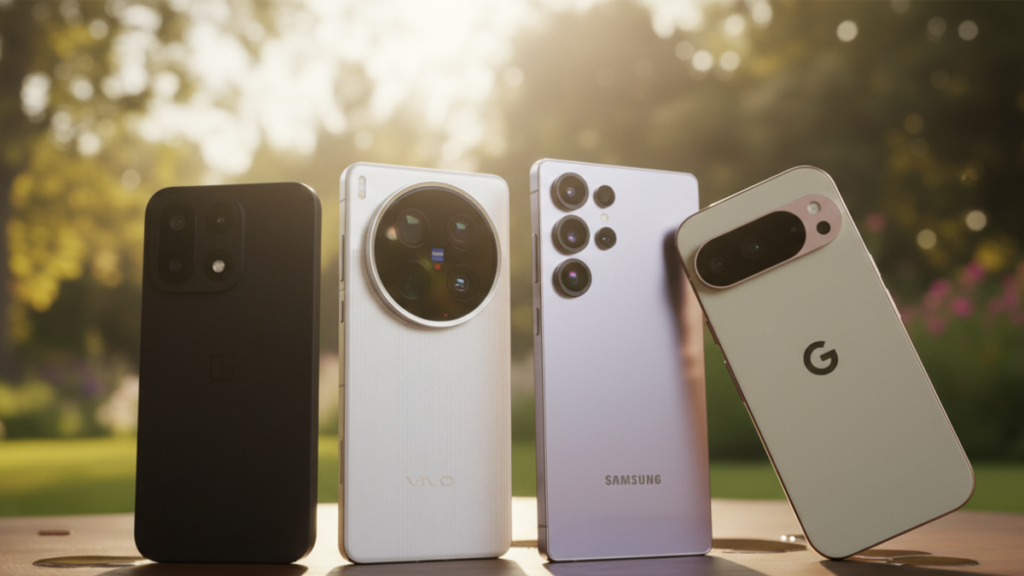
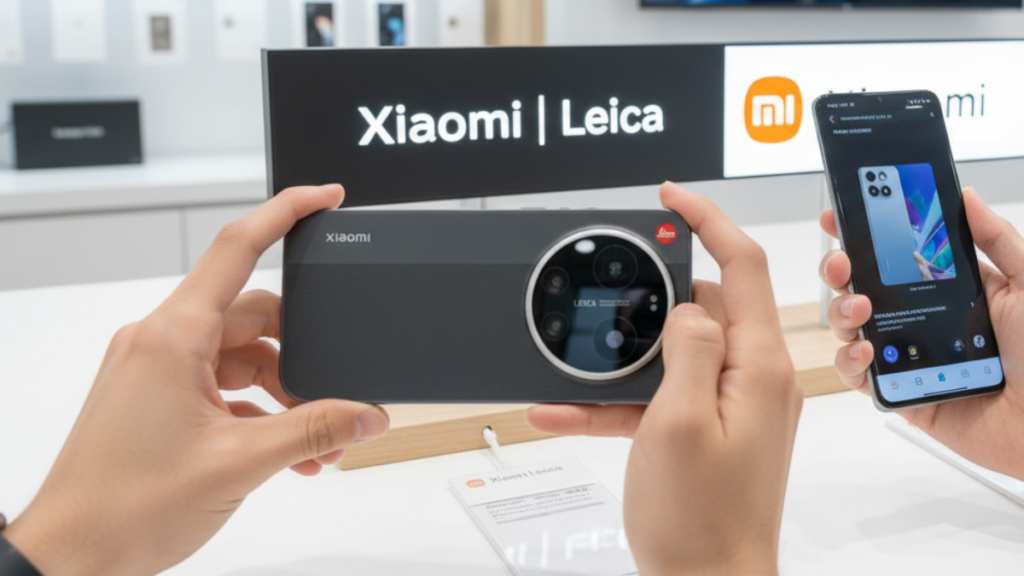
Xiaomi 17 Ultra (Leica Edition) brings a manual zoom ring, 200MP periscope and huge battery. Here’s an honest comparison: Leica extras vs the standard 17 Ultra.

Introduction
The Xiaomi 17 Ultra is a flagship built around advanced imaging and endurance. The Leica Edition elevates the phone with Leica-tuned optics, a tactile manual zoom ring and extra imaging features — but it also raises price and targets photographers.
For most buyers the standard 17 Ultra delivers the same core performance (Snapdragon class silicon, large main sensor, long battery) at a better value.
If you care deeply about physical controls, Leica color science and the unique workflow tools, the Leica Edition is worth the premium; if you want flagship specs without the photography extras, the standard model is the smarter buy.
Why this comparison matters now
Xiaomi’s newest flagships arrive in a crowded flagship market where camera partnerships and branding can sway buying decisions. The Leica tie-up positions the Leica Leitzphone powered by Xiaomi as a camera-first device rather than a simple brand trim — Xiaomi confirmed the Leica model will launch globally on Feb 28.

That global positioning matters: this is not a region-locked special edition but a product Xiaomi expects to sell worldwide.
Headline differences: Leica Edition vs Standard 17 Ultra
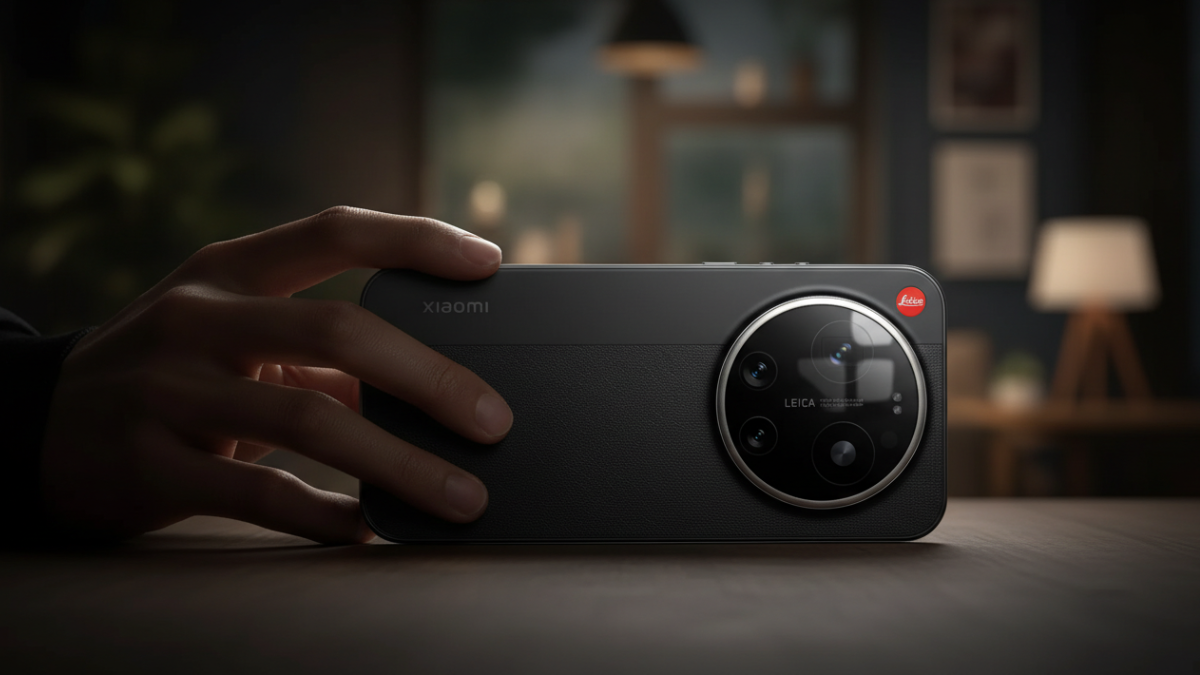
- Physical controls: Leica Edition adds a manual zoom ring built into the camera island — usable for zoom, exposure or focus control depending on the app mapping. Early coverage shows it is tactile and precise, designed for photographers who want quick framing control.
- Optics & tuning: Leica Edition receives Leica optical design and color tuning (film-style simulations and Leitz calibration), while the standard 17 Ultra uses the same core hardware but without Leica’s final color and UX touches.
- Core hardware: Both models share core specs — flagship chipset, high-resolution main sensor, large OLED display and massive battery in many global variants — so performance and base imaging hardware are similar. This is a key point: most core capabilities are shared.
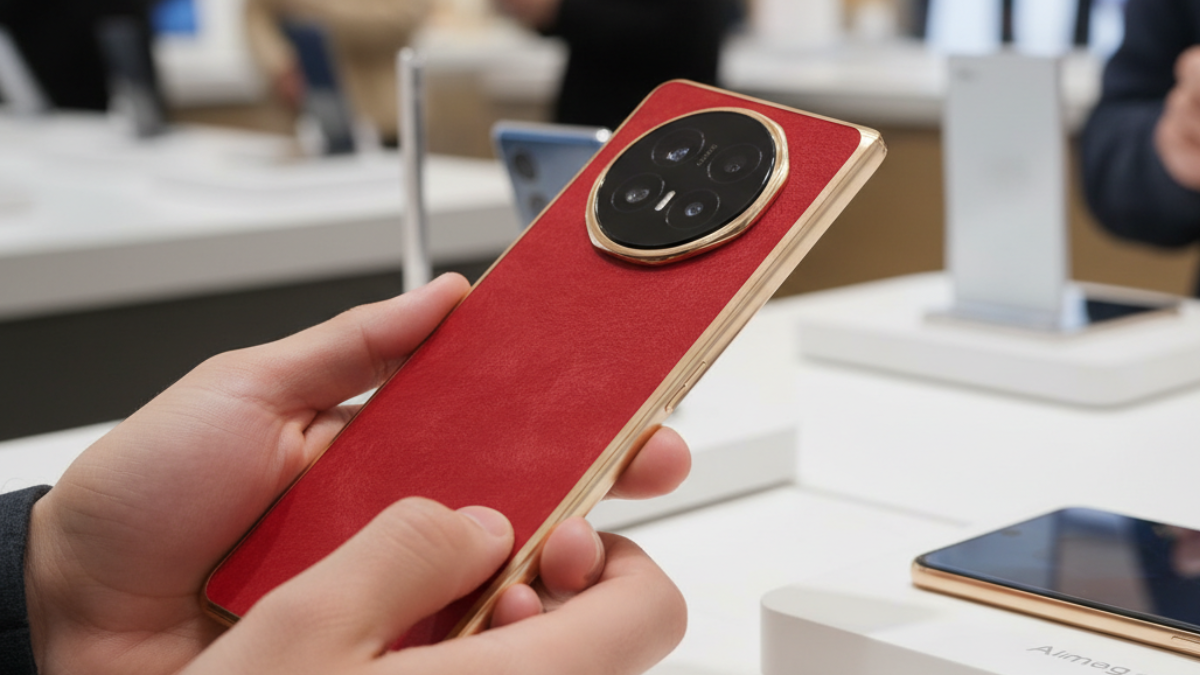
- Price & packaging: Leica Edition is expected to carry a premium (reports show a meaningful yuan premium at launch). The Leica model also ships with branded accessories and special packaging.
Imaging: what Leica brings (and when it matters)
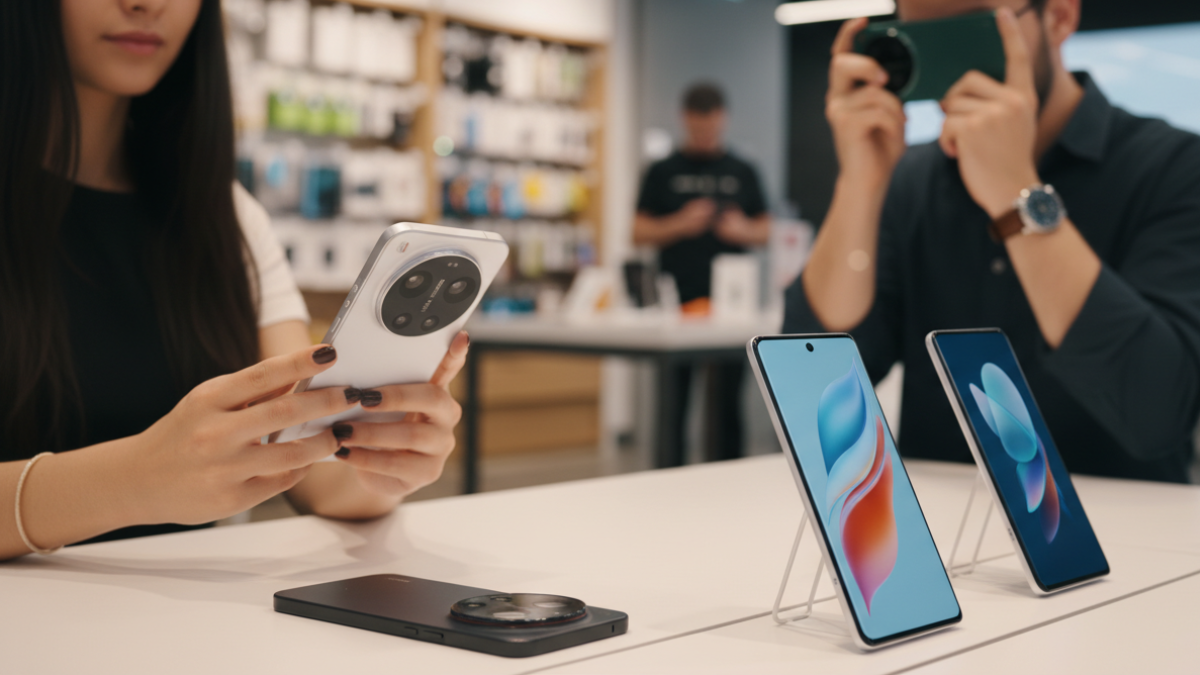
Leica’s contribution is not merely branding. The Leica Edition includes Leica-calibrated optics, unique film simulations, and software workflows that emphasize authenticity and color fidelity.
Critically, Xiaomi and Leica have worked on a periscope telephoto implementation (reported 200MP telephoto with continuous optical zoom) that changes how users approach distant subjects: more usable zoom crops, less reliance on heavy digital cropping. Early samples show improved telephoto detail in daylight and richer color rendering in Leica mode.

When Leica matters:
- You frequently shoot telephoto subjects (wildlife, concerts, sports).
- You prefer manual tactile controls for faster framing.
- You value a distinct, film-like color profile for JPEGs straight out of camera.
When Leica matters less:
- Your usage is mainly social photos and casual snapshots.
- You prefer a lower price or want the absolute best value per dollar.
Manual zoom ring: novelty that can be useful
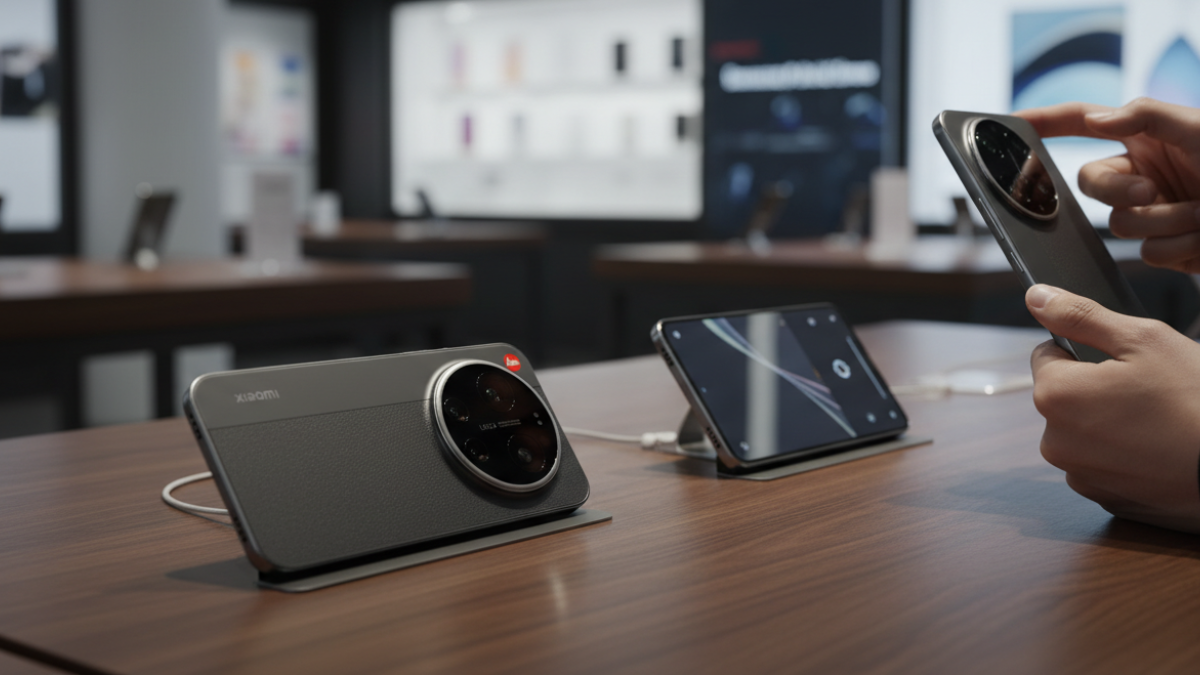
The manual zoom ring is the most obvious physical difference. From hands-on images and demos it appears robust, with tactile detents and quick mapping to zoom or exposure. For photographers used to physical dials, this ring reduces fumbling with pinch gestures and gives a cinema-like control over framing.
The practical test will be app support (does the ring work in third-party camera apps?) and how well the OS maps ring motion to consistent zoom levels. Early reports call it a meaningful control rather than a mere gimmick.
Specs & endurance — where both models shine
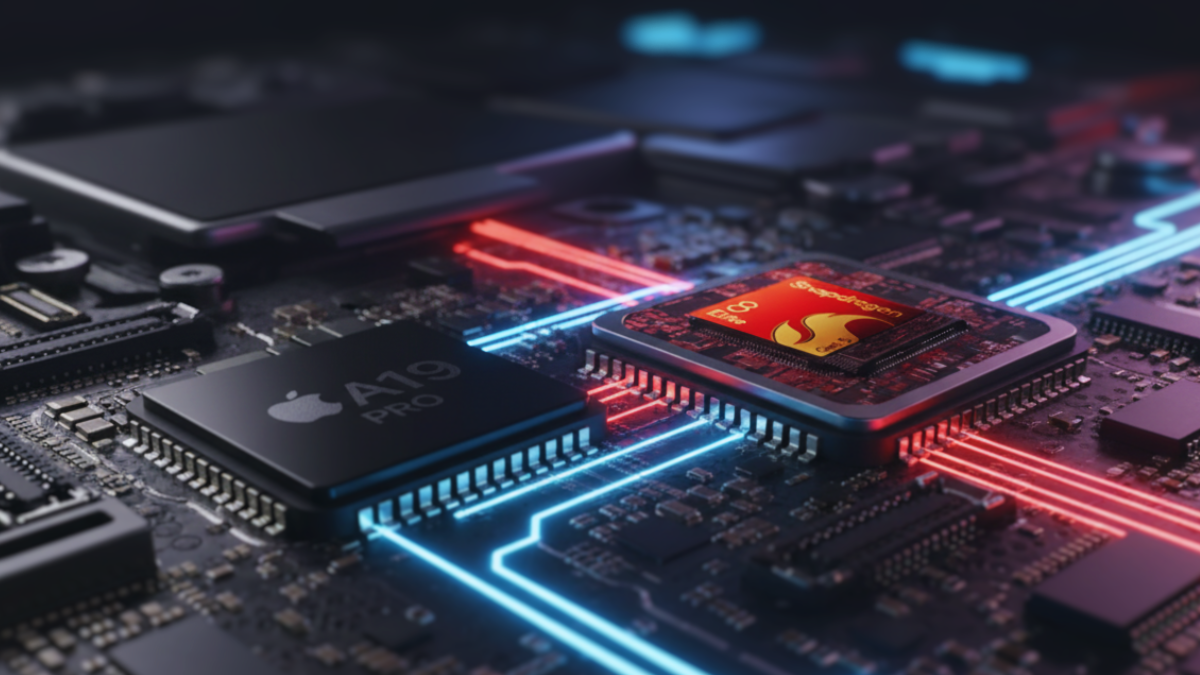
Across reputable sources the 17 Ultra shows flagship numbers that matter in daily use: a large OLED QHD display, top-tier Snapdragon class chipset, and a very large battery in many variants (leaks point to values up to 6,800 mAh in some markets).
That battery size — combined with efficient silicon — makes the 17 Ultra an excellent choice for creators who shoot lots of photos or video and need endurance. Charging speeds vary by region, but expect very fast wired and wireless options.
Concrete takeaway:
- Expect multi-day moderate use or a full day of heavy camera/gaming use thanks to the large battery.
- Core performance (responsiveness, gaming, AI image processing) will match other Snapdragon flagship phones.
Software and pro workflows
Xiaomi’s software for the Leica Edition focuses on pro workflows: manual control presets, Leica film simulations and a proposed “photo authenticity” feature that signs or embeds provenance metadata (useful for professionals and journalists).
Those features aim to make mobile images more trustworthy and to fit into editing pipelines more smoothly. If you rely on RAW capture and post-processing, these workflow tools could be genuine time-savers.
Price and value: who pays more and why
Reports indicate the standard 17 Ultra is priced as a mainstream flagship, while the Leica Edition carries a premium — early launch pricing in yuan suggested a notable bump for Leica branding. The extra cost buys tactile controls, Leica optics/tuning and collector-grade packaging.
For many buyers the question reduces to cost-per-feature: is the Leica brand and manual control worth the additional several-hundred-dollar premium? For professional photographers who will use the ring and Leica color pipeline daily, the answer is often yes; for general users, the standard model likely covers 90% of needs at a lower price.
Competitive context — where Xiaomi stands today
Xiaomi’s Leica collaboration is part of a broader trend: phone makers partnering with camera brands to differentiate imaging. Analysts at research firms note that co-engineering (not just branding) matters — it’s what moves a phone from “good camera” to “tool” for creatives. Xiaomi’s push to integrate Leica into hardware, software and packaging signals a strategic attempt to win creators and enthusiasts who previously chose specialist camera brands.
Real-world scenarios — who should buy which model?
Buy the Leica Edition if:
- You are a photographer or content creator who values manual controls and unique color science.
- You often shoot telephoto subjects and will benefit from the periscope’s better optical zoom and 200MP detail.
- You accept paying a premium for Leica accessories and software.
Buy the standard 17 Ultra if:
- You want flagship performance and top camera hardware without the Leica premium.
- You prefer better value per dollar and don’t need tactile manual rings.
- You want most of the flagship features (display, battery, chipset) at lower cost.
Short expert note
Industry analysts argue that hardware plus workflow matters more than logos alone; co-engineering with Leica could help Xiaomi move beyond “camera marketing” into genuinely different results for photographers — but real differentiation depends on software exposure to third-party apps and long-term support.
Verdict
If you’re deciding between the two: buy the standard Xiaomi 17 Ultra if you want flagship power and strong imaging at a better price. Choose the Leica Edition if you are a serious creator and will use the manual zoom ring, Leica color profiles and authenticity workflow daily — the Leica model is a specialty tool, not just a prettier box. Either way, Xiaomi’s 17 Ultra family stands out in 2026 for imaging ambition and endurance.
Frequently Asked Questions
What cameras does the 17 Ultra offer?
The 17 Ultra sports a triple rear setup: a large main sensor, an ultra-wide and a periscope telephoto (reports list a high-resolution telephoto up to 200MP equivalent for detailed long-range shots). The Leica Edition adds Leica-tuned optics and color science.
How big is the battery on the 17 Ultra?
Leaks and listings point to a very large battery in some variants (reports list up to 6,800 mAh), along with fast wired and wireless charging options — a real boon for heavy photographers and creators.
Will it get MIUI and Android updates?
Xiaomi typically provides multiple Android updates for its flagships; expect Android 16 and several years of security updates for the 17 Ultra series.
What’s the price difference with the Leica Edition?
Early launch pricing suggested the Leica Edition carries a premium (several hundred dollars more at launch in China), reflecting Leica hardware, software and branded accessories. Exact international pricing will vary by market.
Should I wait or buy now?
If you need a flagship now and value camera performance, the standard 17 Ultra is compelling. If Leica branding, the zoom ring and specific Leica workflows are important, consider the Leica Edition—just be prepared for a premium price.