Apple officially launched the iPhone 17e on March 2, 2026. With the A19 chip, 256GB base storage, and MagSafe at $599, is this the best budget iPhone ever?

Apple iPhone 17e Official: A19 Chip, 48MP Fusion Camera, and the End of the SE Era?
Apple just kicked off its “Big Week” of March 2026 with a massive bang. On March 2, the tech giant officially unveiled the iPhone 17e, a device that effectively cements the death of the old “SE” branding in favor of a more modern, yearly “e” series.
Starting at $599, the iPhone 17e isn’t just a “budget” phone anymore. In my years of covering Apple launches, this is the first time I’ve seen the entry-level model feel so closely aligned with the flagship line.
Between the inclusion of the cutting-edge A19 chip and the long-awaited arrival of MagSafe, Apple is making a serious value argument that should worry every mid-range Android manufacturer out there.
The Hardware: A19 Power and the GPU Catch
The headline feature here is undoubtedly the A19 chip. Built on the second-generation 3nm process, this is essentially the same silicon found in the standard iPhone 17. However, there is a small “e” series caveat: the iPhone 17e features a 4-core GPU instead of the 5-core GPU found in its more expensive sibling.

In my experience with binned chips, you won’t notice this in daily scrolling or even heavy multitasking. Where it might show is in high-end AAA gaming titles that utilize hardware-accelerated ray tracing. But for the average user, having an A19 in a $599 phone means this device is built to last until at least 2031 with full software support.
Design and Display: Classic Look with Harder Glass
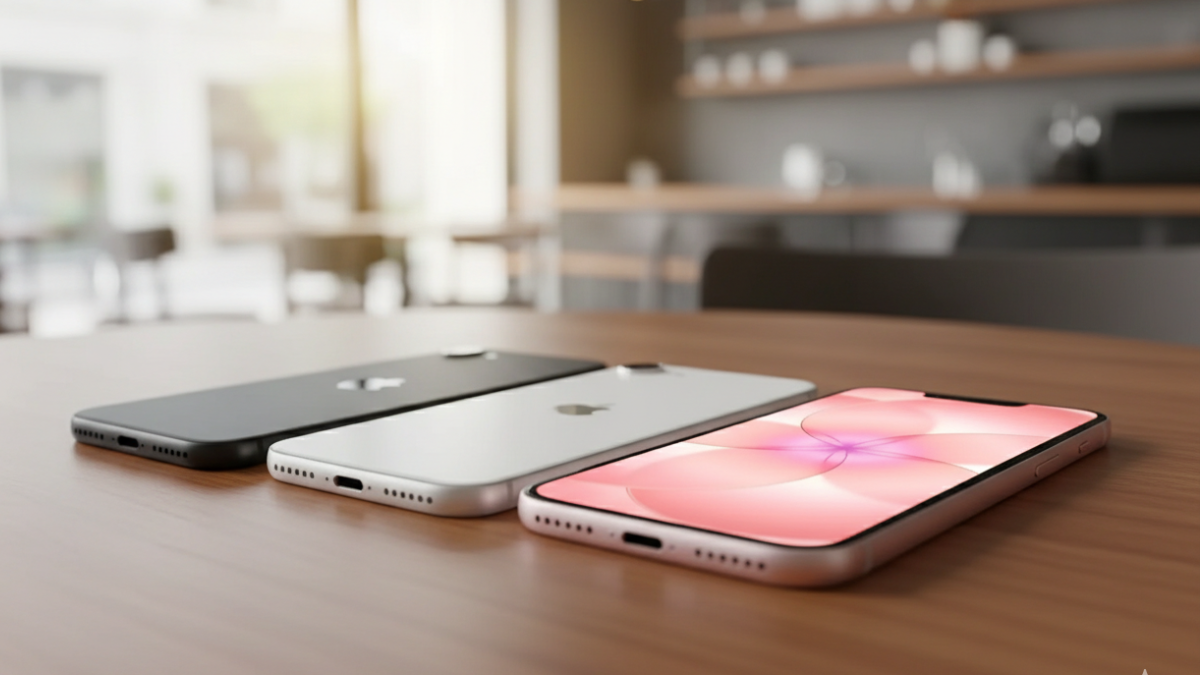
Visually, the iPhone 17e sticks to the tried-and-true 6.1-inch chassis. Yes, the notch is still here (sorry, no Dynamic Island for the budget tier yet), and the refresh rate remains locked at 60Hz. While I’d love to see ProMotion at this price, Apple clearly uses these features to separate the tiers.
However, the durability has been given a major boost. Apple has introduced Ceramic Shield 2 across the entire 17 family, including the 17e. They claim it offers 3x better scratch resistance than the previous generation and a new anti-reflective coating. If you’re like me and hate using screen protectors, this is a massive quality-of-life win.
iPhone 17e Full Specifications Table
| Feature | Specification |
| Display | 6.1-inch Super Retina XDR OLED (60Hz) |
| Processor | Apple A19 (6-core CPU, 4-core GPU) |
| Modem | Apple C1X 5G Modem |
| Base Storage | 256GB (Previously 128GB) |
| Rear Camera | 48MP Fusion (1x and 2x Optical Quality Zoom) |
| Front Camera | 12MP TrueDepth |
| Battery Life | Up to 26 hours video playback |
| Charging | USB-C, 15W MagSafe, Qi2 |
| Starting Price | $599 / £599 / ₹64,900 |
Camera: The Fusion of High-Res and AI
The rear camera is a single 48MP Fusion lens. While you don’t get the Ultra-Wide sensor of the iPhone 17, the sensor cropping allows for a very respectable 2x “optical-quality” zoom.
What really matters is the software. Thanks to the A19’s upgraded Neural Engine, the iPhone 17e supports “Next-generation portraits.” This means the camera automatically captures depth data whenever it detects a person, dog, or cat.
I love this feature because you can change the focus point after taking the photo in the Photos app. It makes “budget” photography feel decidedly professional.
The “C1X” Connection: Apple’s In-House Modem
Last year, the iPhone 16e introduced Apple’s first in-house 5G modem, the C1. This year, we move to the C1X. Apple claims this new chip is twice as fast as the previous version and matches the performance found in the ultra-thin iPhone Air.
More importantly, it uses 30% less energy than older Qualcomm-based modems. This is likely why Apple is claiming “all-day battery life” despite the power-hungry AI features.
Apple Intelligence and iOS 26
The iPhone 17e is fully compatible with Apple Intelligence. Launching with iOS 26, the device features “Liquid Glass” design elements and heavy AI integration.
- Visual Intelligence: Use the Action Button (now standard on the 17e) to search for things on your screen or in the world around you.
- Live Translation: Works in Messages, FaceTime, and even during live phone calls.
- Call Screening: A feature that finally rivals Google’s Pixel, allowing the AI to ask unknown callers why they are calling before you pick up.
Personal thought: Is it Worth the Upgrade?
If you are coming from an iPhone 13 or 14, the answer is a resounding yes. The jump to 256GB base storage for the same $599 price is a rare “pro-consumer” move from Apple. You are getting double the storage, a vastly superior modem, and the power of the A19 chip.
However, if you own the iPhone 16e, the changes are more incremental. The addition of MagSafe is the biggest practical reason to switch, especially if you’ve already invested in the MagSafe ecosystem of chargers and wallets.

For me, the iPhone 17e feels like the most “complete” budget phone Apple has ever made. It doesn’t feel like a compromise; it feels like a modern iPhone that happens to have a smaller price tag.
Frequently Asked Questions (FAQ)
Q1: When can I buy the iPhone 17e?
Pre-orders start on Wednesday, March 4, 2026, at 6:15 a.m. PT. Retail availability begins a week later on March 11, 2026.
Q2: Does the iPhone 17e have a 120Hz display?
No. To get the 120Hz ProMotion display, you still need to step up to the standard iPhone 17 or the Pro models. The 17e is locked at 60Hz.
Q3: Is there a physical SIM slot in the iPhone 17e?
In the US, the iPhone 17e is eSIM only. International models in certain regions may still include a physical SIM slot, but Apple is pushing for global eSIM adoption.
Q4: What colors does the iPhone 17e come in?
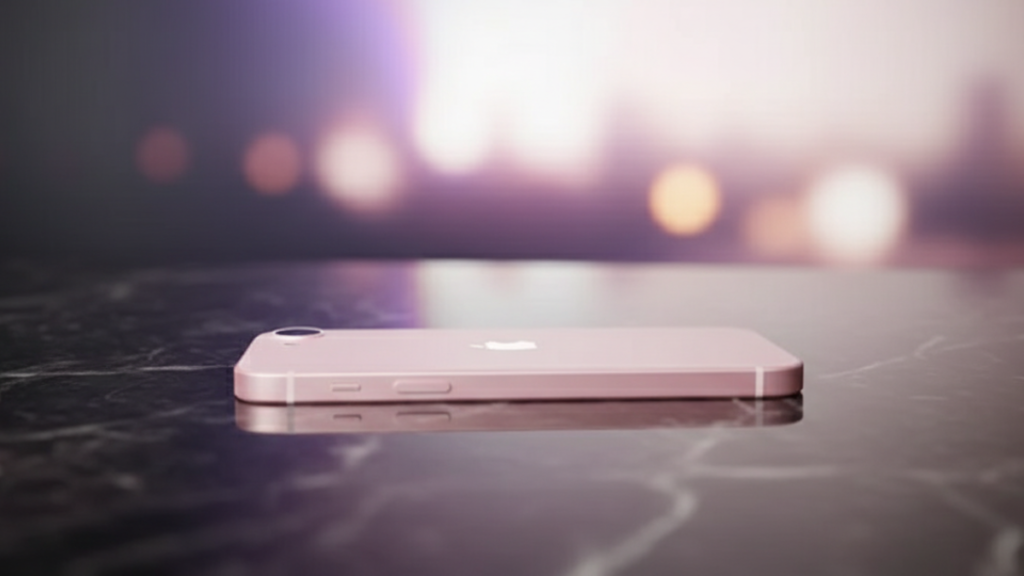
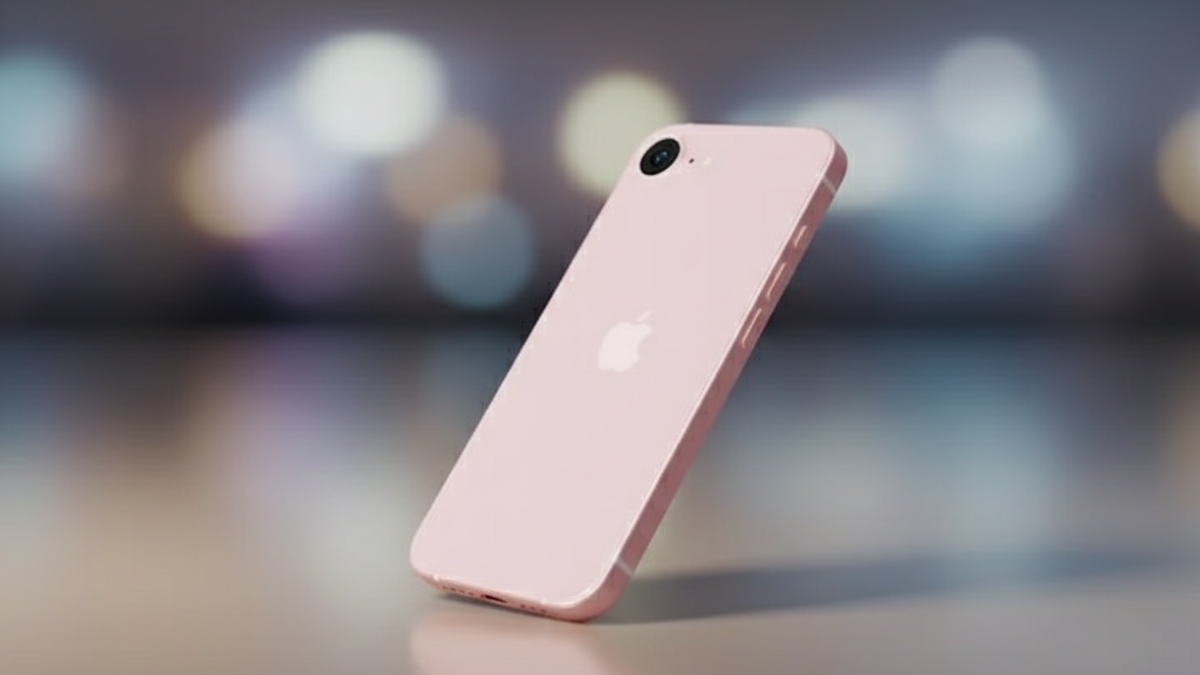
It is available in three colors: Black, White, and a new Soft Pink.