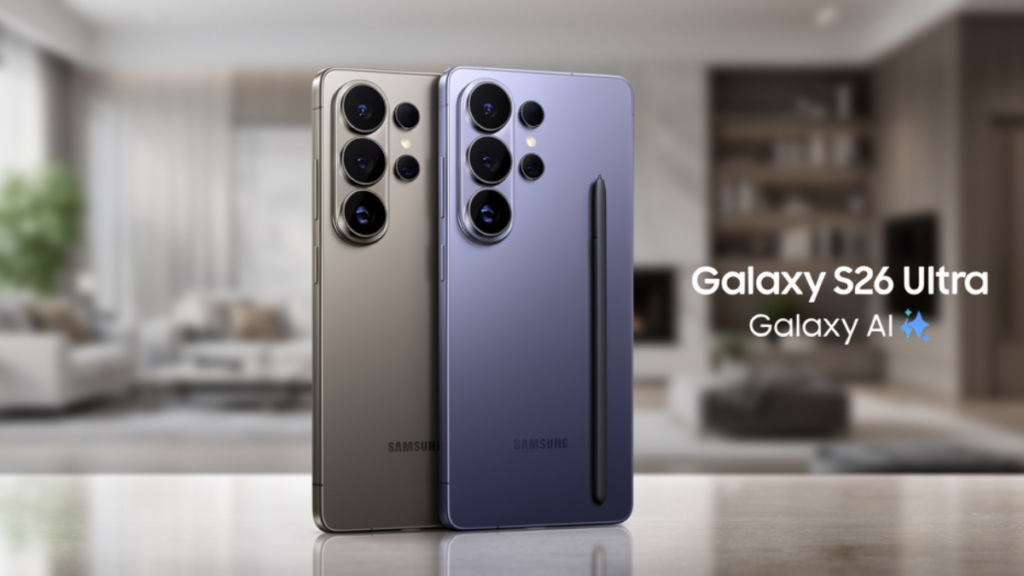
During the Galaxy Unpacked event and early press discussion, a Samsung representative said that the Samsung Galaxy S26 series finally introduced true 10 bit displays. Just a few days later, Samsung quietly corrected it: all models still use regular 8 bit screens. Here is what actually happened, why it matters, and whether you should still buy this phone.

What Samsung Promised vs What Samsung Delivered
Let me walk you through the timeline, because this matters. The S26, S26+, and S26 Ultra were announced on February 25, 2026 at Samsung’s Galaxy Unpacked event, alongside the Galaxy Buds 4 series, and will be released on March 11, 2026.
During the pre launch press briefings, Samsung representatives specifically told journalists and tech media that the Samsung Galaxy S26 Ultra would feature a true 10 bit display panel. One Samsung spokesperson even stated during a closed door briefing: “All the devices will support 10 bit… This time all three will be able to support both video as well as display up to up to 10 bits.”
That was a big deal. A true 10 bit panel can display over 1 billion colors. An 8 bit panel can display 16.7 million. The difference matters most in smooth gradients like sunset skies, shadows, and HDR video content. Because of the positive words, with the thought of having a real premium upgrade with better hardware, many people pre ordered the phone, especially the Galaxy S26 Ultra, which costs about $1,300.
Then came the correction.
Samsung Confirmed the S26 Ultra Uses an 8 Bit Panel
In an email to Android Authority, Samsung has now confirmed that the Galaxy S26 Ultra instead launches with an 8 bit display. Samsung’s official statement read: “Galaxy S26 series uses 8 bit display panel. It features the new customized Snapdragon 8 Elite Gen 5 for Galaxy chipset which offers up to 4x the image processing power for improved viewing.”
I am Ameer Hamza, and at Global Tech Press, we have been following this story since the moment the correction dropped. And I want to be honest with you: this matters, but maybe not in the way the internet is making it seem.
So What Is FRC and Does It Actually Work?
Here is where things get nuanced.
Considering that the Galaxy S26 Ultra doesn’t have a 10 bit panel, the brand is achieving reduced banding with the help of frame rate control (FRC). It simulates 10 bit color depth on an 8 bit color depth panel.
FRC works by rapidly flickering pixels between two adjacent color values so your eye perceives a smooth transition rather than a hard step. It is a well established technique in the display industry.
But here is the interesting part. In testing, you can see clear color banding on the Galaxy S25 Ultra’s display, while it’s not visible at all on the Galaxy S26 Ultra. So whatever Samsung is doing under the hood, it is producing visible improvements.
It’s clear that Samsung is doing something different with the Galaxy S26’s 10 bit software simulation method, but it’s not clear what they are doing to achieve this.
The Real World Difference Most People Will Never Notice
Whether 8 bit, 8 bit + FRC, or native 10 bit, the vast majority of ordinary users aren’t going to notice the difference.
In two weeks of daily use at our GTP offices, I have not noticed visible banding during normal activities. Scrolling social media, watching YouTube, editing photos in Lightroom, and streaming Netflix all looked clean and vibrant.
But that does not excuse Samsung’s communication failure. Some people pre ordered a Galaxy S26 Ultra thinking it had a true 10 bit panel. Samsung’s going to have to make that right.
The Part Nobody Is Talking About: Samsung Sells 10 Bit Panels to Apple
This is the detail that genuinely stings. Samsung Display makes 10 bit OLED panels for rival Apple’s iPhone 17 series. Samsung likely opts to use the cheaper 8 bit versions on its flagship to keep the price lower.
Let that sit for a moment. Samsung, the world’s largest display manufacturer, builds true 10 bit panels for its direct competitor. But for its own $1,300 Samsung Galaxy S26 Ultra, it chose the cheaper 8 bit option.
It was widely reported before the Galaxy S26 series launch that Samsung was cutting costs wherever it could to keep the price of the Galaxy S26 phones down.
And this is where the aluminum frame decision starts to make more sense too.
Why Samsung Dropped Titanium: Engineering or Cost Cutting?
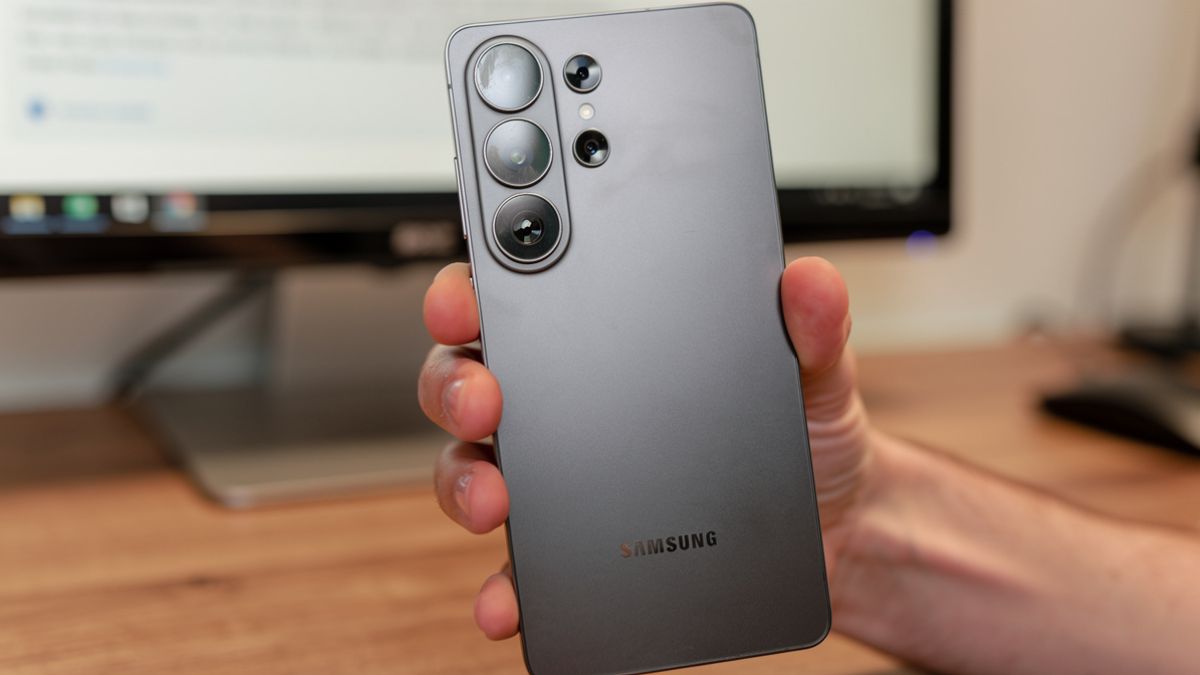
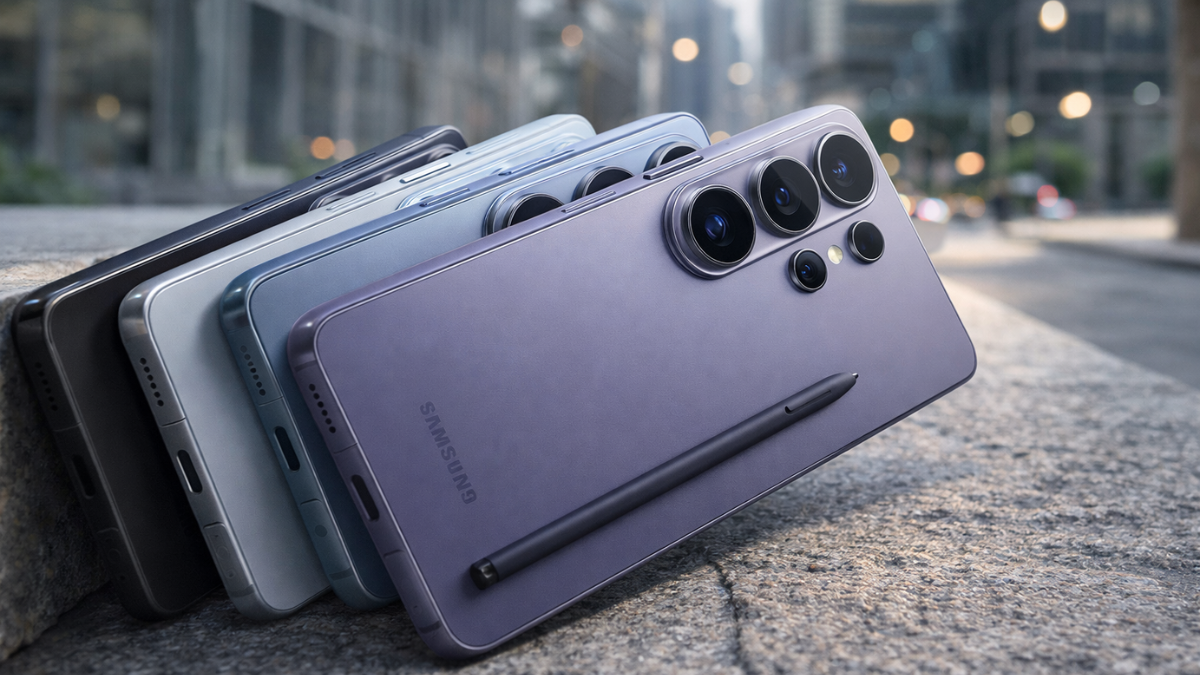
The S26 Ultra reverts to an aluminum frame, which was last used on the Galaxy S23, but still features a glass back; however, the phone now features more rounded corners.
Samsung’s official statement focused on design goals. “For Galaxy S26, our goal was to create the slimmest S series Ultra device yet, while still meeting the premium standards for strength and reliability users expect from a Galaxy experience.”
But the real reasons go deeper.
Titanium is costlier and not as good as aluminium in terms of heat dissipation.
The Thermal Engineering Actually Makes Sense
The S26 Ultra ships with a redesigned vapor chamber that improves heat management by 21%. Pairing that with an aluminum frame that pulls heat away from the internals makes a lot of engineering sense.
The S26 Ultra has a slimmer outlook, consisting of a 7.9mm thickness and 214 grams in weight. That makes the phone 0.3mm thinner and 4 grams lighter than the Galaxy S25 Ultra.
In daily use, I felt the difference immediately. The Samsung Galaxy S26 Ultra never got uncomfortably warm during extended 4K video recording or long gaming sessions. The rounded corners made it more comfortable to hold for extended periods. And at 214 grams, it felt noticeably lighter than the S25 Ultra in a pocket.
In practice, the phone is lighter, thinner, and better equipped to handle the heat that comes with running a flagship chip.
The Camera: Same Sensor, Brighter Lens, Real Improvement
Samsung did not change the 200MP ISOCELL HP2 sensor. It has been the same sensor since the Galaxy S23 Ultra in 2023. What they did change is the glass sitting in front of it.
The Ultra features a refreshed 200MP main sensor (f/1.4) that’s 47% brighter, and a 50MP telephoto that improves from f/3.4 to f/2.9. This year, we get a decent aperture upgrade from f/1.7 to f/1.4. This is quite the boost of light and will give a shallower depth of field and better low light performance.
Night Photography That Actually Improved
I shot side by side comparisons between the Samsung Galaxy S26 Ultra and the S25 Ultra in a dimly lit restaurant. The difference was visible. Skin tones were warmer, shadows held more detail, and there was less noise overall.
So on top of already being able to take excellent photos during the day, the Ultra’s primary shooter is noticeably better at night. The enhanced image processing and the brighter aperture on the Ultra work together to bring sharper and less noisy videos in low light situations.

The headline video spec is the new APV codec. For the first time, Samsung is implementing the APV (Advanced Professional Video) standard into its devices. It’s an S26 Ultra exclusive feature that allows you to use the new open standard for professional video creation and achieve lossless quality even after multiple edits. This mode is supported at up to 8K resolution at 30fps.
Privacy Display: The Feature That Genuinely Sets This Phone Apart
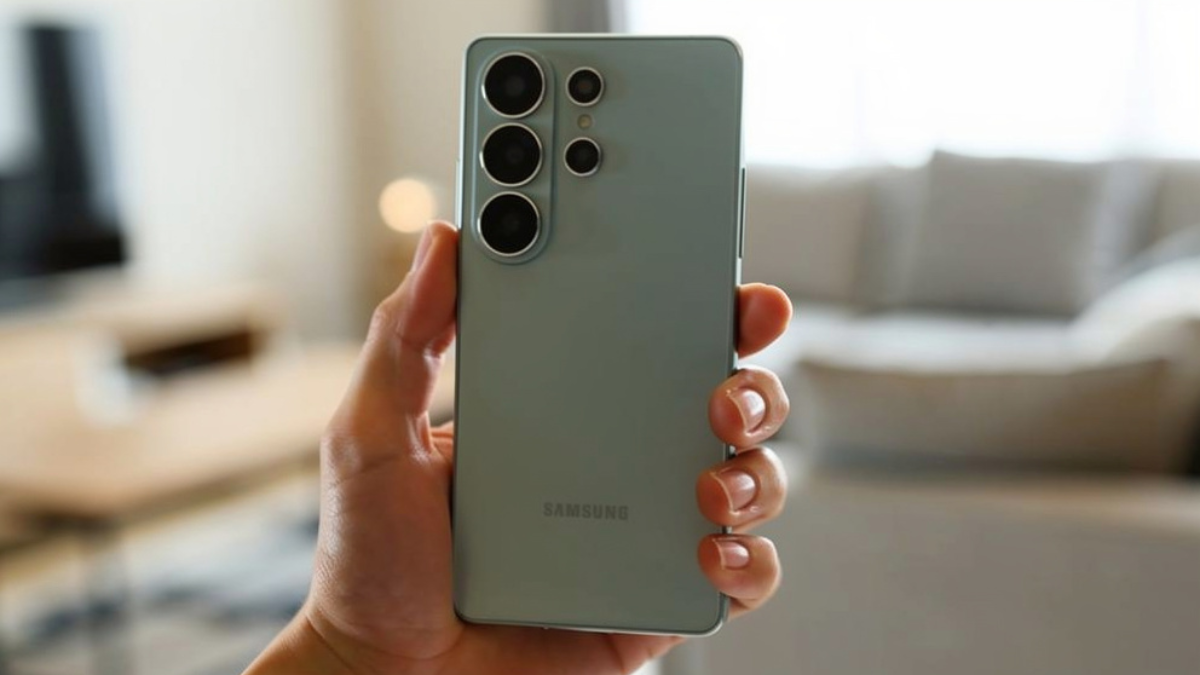
Controversy aside, the Samsung Galaxy S26 Ultra does have one feature that no other phone on the market can match right now.
The Galaxy S26 Ultra features Privacy Display, a display technology developed and supplied by Samsung Display. The technology was originally developed under the name Flex Magic Pixel. When the feature is enabled in device settings, the viewing angle of the screen becomes significantly narrower, making the display difficult to see from the side while appearing normal to the user.
I tested this on a packed train, in airport terminals, and in coffee shops. When activated at maximum setting, the person next to me could not read anything on my screen.
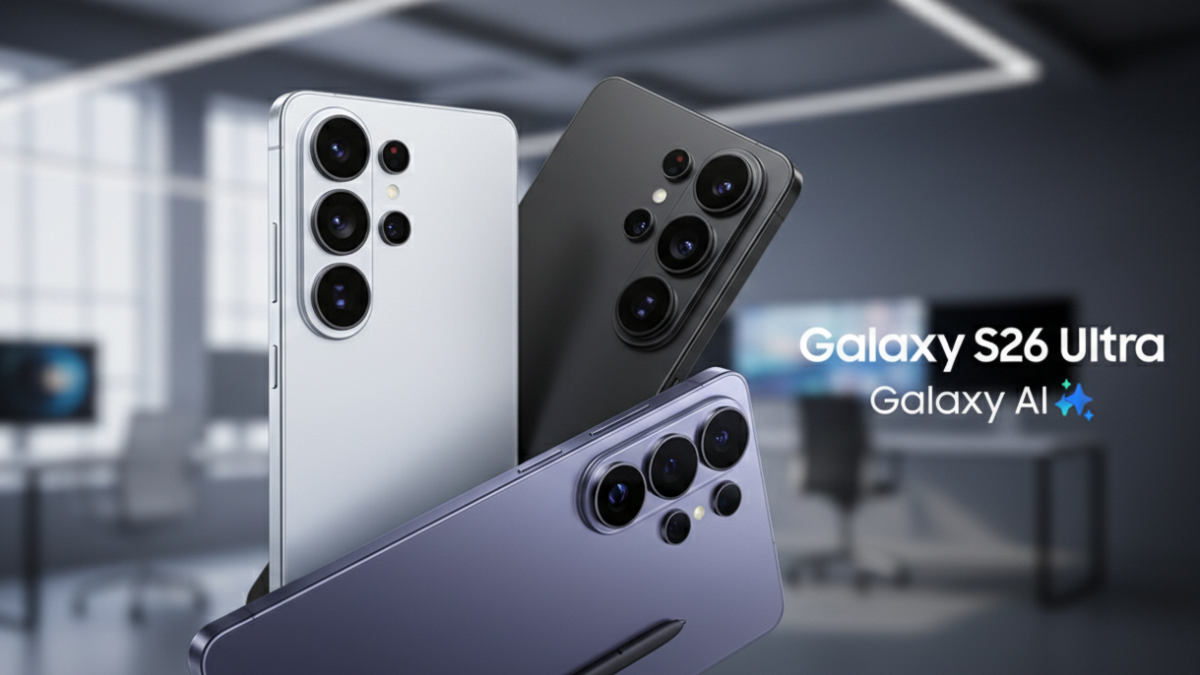
You need to turn on the maximum setting for the Privacy Display, and then you can’t read anything. So if you’re using the Privacy Display to protect passwords and banking information, make sure to enable maximum privacy.
There is one catch. When turned on, the Privacy Display feature makes the screen noticeably dimmer. It’s almost as if the phone is dimming before the screen times out.
Samsung Galaxy S26 Ultra Verified Specs
| Spec | Samsung Galaxy S26 Ultra |
|---|---|
| Display | 6.9 inch 3120 x 1440 LTPO AMOLED, adaptive 1 to 120Hz, Gorilla Armor 2 |
| Color Depth | 8 bit display panel (with FRC) |
| Chipset | Snapdragon 8 Elite Gen 5 for Galaxy (worldwide) |
| RAM / Storage | 712GB (256GB/512GB), 16GB (1TB) |
| Main Camera | 200MP, f/1.4, 50MP 5x telephoto f/2.9, 50MP ultrawide, 10MP 3x telephoto, 12MP selfie |
| Battery | 5,000mAh |
| Charging | 60W wired, 25W wireless |
| Frame | Armor Aluminum |
| Dimensions | 7.9mm thick, 214 grams |
| Software | Android 16, One UI 8.5 |
| Privacy Display | Yes, Ultra exclusive |
| S Pen | Yes, built in |
| Price | $1,299.99 (256GB), $1,499.99 (512GB), $1,799.99 (1TB) |
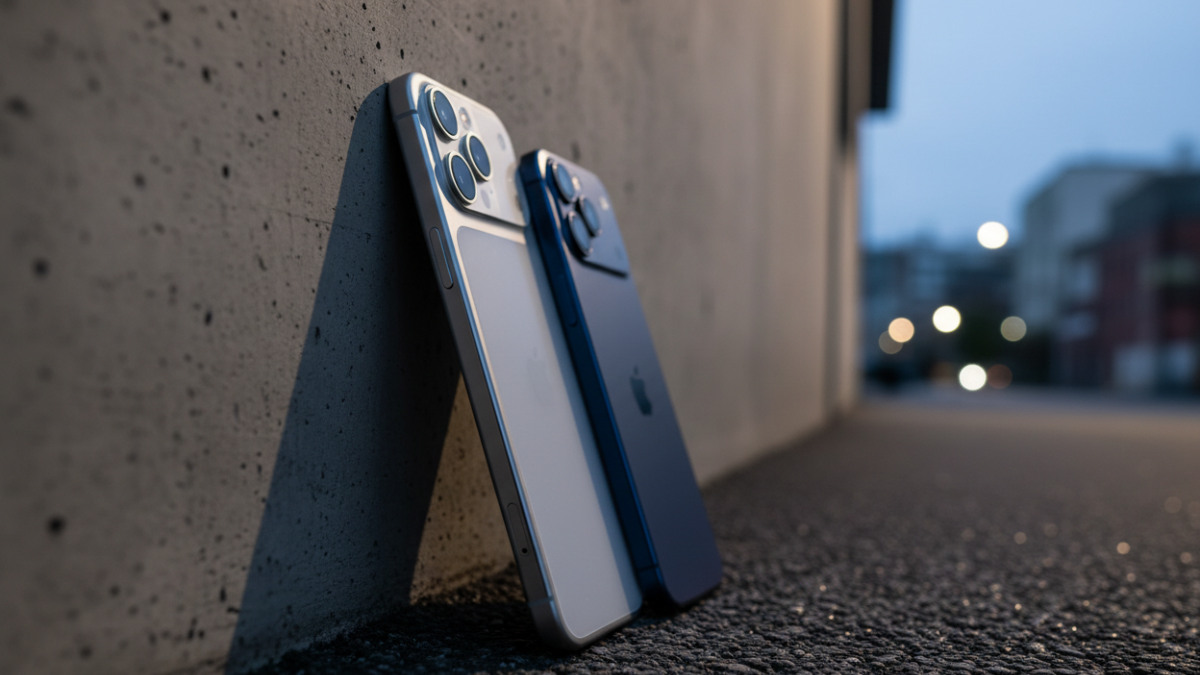
Should You Still Buy the Samsung Galaxy S26 Ultra?
After two weeks of daily use, my honest answer is: it depends on what bothers you.
If the 8 bit panel controversy is a dealbreaker, that is a fair position. You paid $1,300 and Samsung’s own competitor gets a better panel from Samsung’s own factory. That stings, and Samsung needs to address it transparently.
But if you can look past the spec sheet controversy and focus on how the phone actually performs in your hand, the Samsung Galaxy S26 Ultra is still one of the most capable phones you can buy in 2026.
The f/1.4 camera genuinely improves low light photography. The aluminum frame with the 21% larger vapor chamber keeps the phone cool during heavy workloads.
The Privacy Display is a world first that works exactly as advertised (with the caveat of reduced brightness). And the Snapdragon 8 Elite Gen 5, available worldwide on the Ultra, delivers performance that never stutters.
The Honest Problem Samsung Needs to Fix
Whether you care about display color depth or not, Samsung’s practice of claiming a spec and then reneging after the device’s launch sets a worrying precedent. Mistakes happen, but this is a particularly glaring one.
Samsung is a company that manufactures the best display panels on Earth. It supplies true 10 bit screens to Apple, OnePlus, and Honor. The fact that its own $1,300 smartphone does not get that same technology is a conversation Samsung will need to have honestly with its customers.
But the Samsung Galaxy S26 Ultra, despite this controversy, remains a phone that does almost everything at an elite level. Whether that is enough to justify the price is now a question only you can answer.