The standard Xiaomi 17 packs a 6,330mAh silicon carbon battery. The Xiaomi 17 Ultra, the phone that costs nearly twice as much, gets a 6,000mAh cell. That is not a typo. Here is everything you need to know about the most overlooked compact smartphone of 2026.

Introduction
The Xiaomi 17 series is a line of Android based smartphones manufactured by Xiaomi, succeeding the Xiaomi 15 series. Announced on 25 September 2025, the series features a 7,000mAh silicon carbon battery (6,330mAh on the global version), rear secondary displays on the Pro and Pro Max models, and a 50 MP Light Fusion 950 main sensor.
Skipping over 16 entirely, the Xiaomi 17 phones are expected to be some of the biggest sellers of 2026 given just how much of a splash the previous gen Xiaomi 15 phones made last year.
I am Ameer Hamza, and at Global Tech Press, we have been following the Xiaomi 17 series since its first announcement in China last September. Now that the global version has finally landed, I can tell you something that almost every publication has glossed over.
The standard Xiaomi 17 has a bigger battery than the Ultra. It charges at the same 100W speed. It runs the same Snapdragon 8 Elite Gen 5 chip. And it costs €999 instead of €1,499.
So why is everyone ignoring this phone?
The Battery That Should Not Fit in This Body
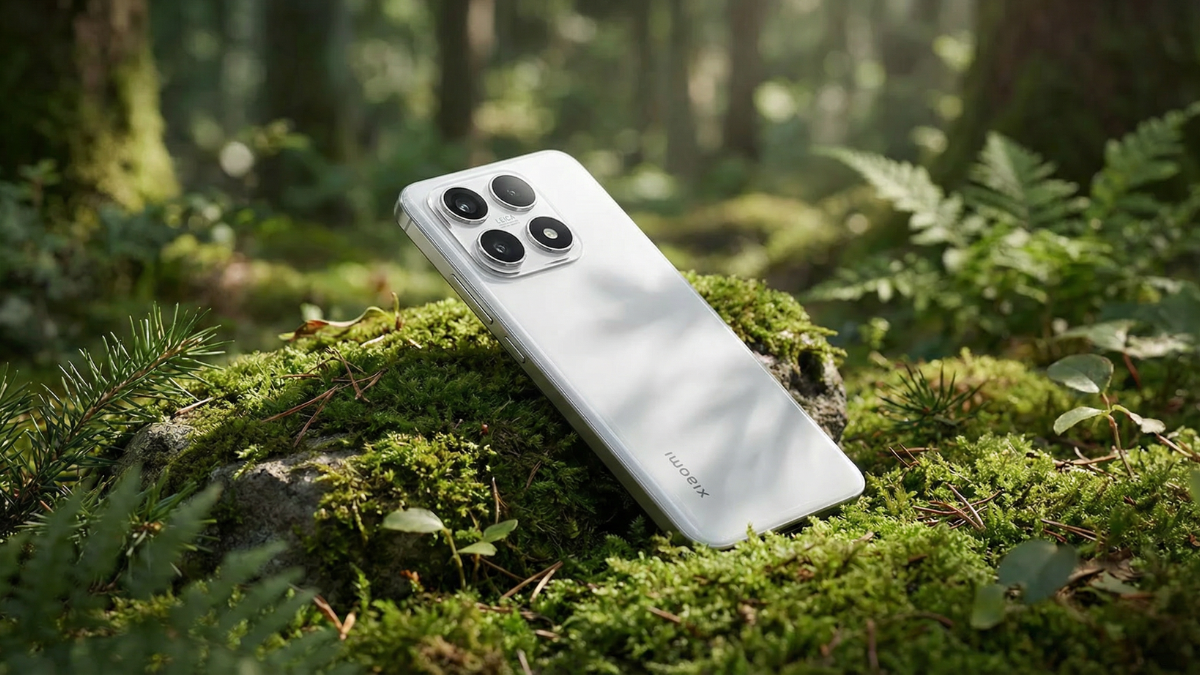
Let me explain why this matters. In the Chinese market, the mainline Xiaomi 17 uses a 7,000mAh silicon carbon battery with 100W wired and 50W wireless charging, while the global versions of the Xiaomi 17 use 6,330mAh batteries.
Now compare that to the Ultra. The Xiaomi 17 Ultra’s batteries are smaller, with the Chinese versions of the 17 Ultra using 6,800mAh batteries and the global versions using 6,000mAh batteries.
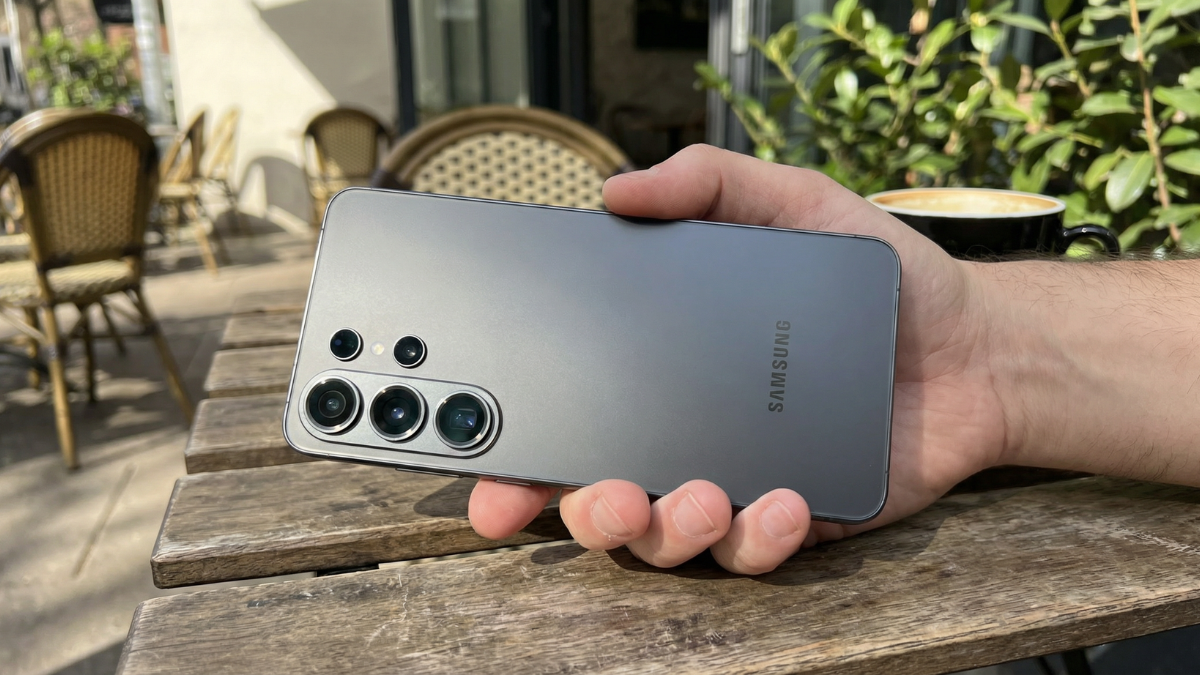
The global version of the smaller and cheaper Xiaomi 17 sports a larger 6,300 mAh battery. That detail alone should make people pause.
How Xiaomi Fit 6,330mAh in a 6.3 Inch Phone
Thanks to a high energy density silicon carbon battery with 16% silicon content, Xiaomi 17 achieves extraordinary battery capacity and endurance while preserving its impressively lightweight and compact design.
Battery capacity sits at 6,330 mAh in a silicon carbon cell with 824 Wh/L energy density. For context, the Samsung Galaxy S26 has a 4,000mAh lithium ion battery in a phone that is roughly the same size. It has a significantly bigger battery and faster charging than either the iPhone 17 or Galaxy S26.
In my first week of testing, the Xiaomi 17 lasted well into the second day with moderate use. I charged it to 100% on a Saturday morning and did not need to touch the charger again until Sunday evening. For a compact flagship, that kind of endurance changes how you think about your phone.
The Design: Compact, Familiar, and Well Built

Every detail of Xiaomi 17 has been precisely refined with dedication to craftsmanship and quality, from its 6.3 inch compact size, to the refined 19.6:9 body ratio, to its elegant curvature.
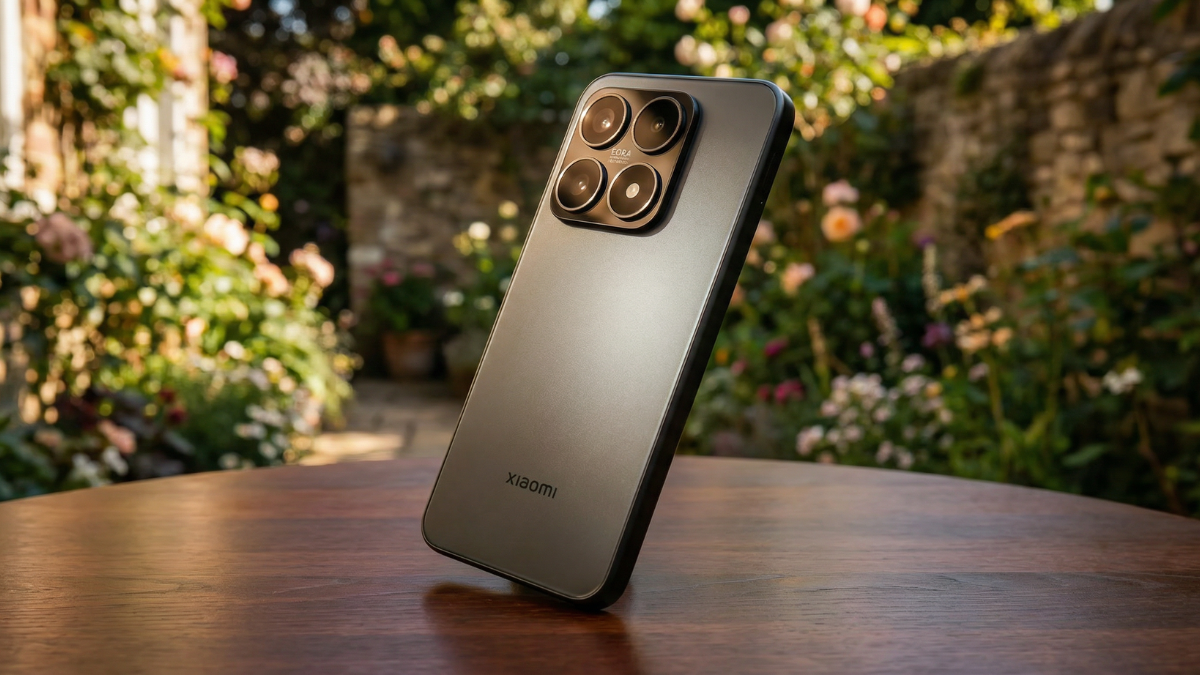
The phone measures 151.1mm in height, 71.8mm in width, 8.06mm in thickness, and weighs 191 grams. Had there not been a subtle logo on that glass rear panel, you would struggle to say which brand made this phone. The Xiaomi 17 follows almost every 2026 design trend, from the flat screen up front to the rounded corners and boxy metal frame.
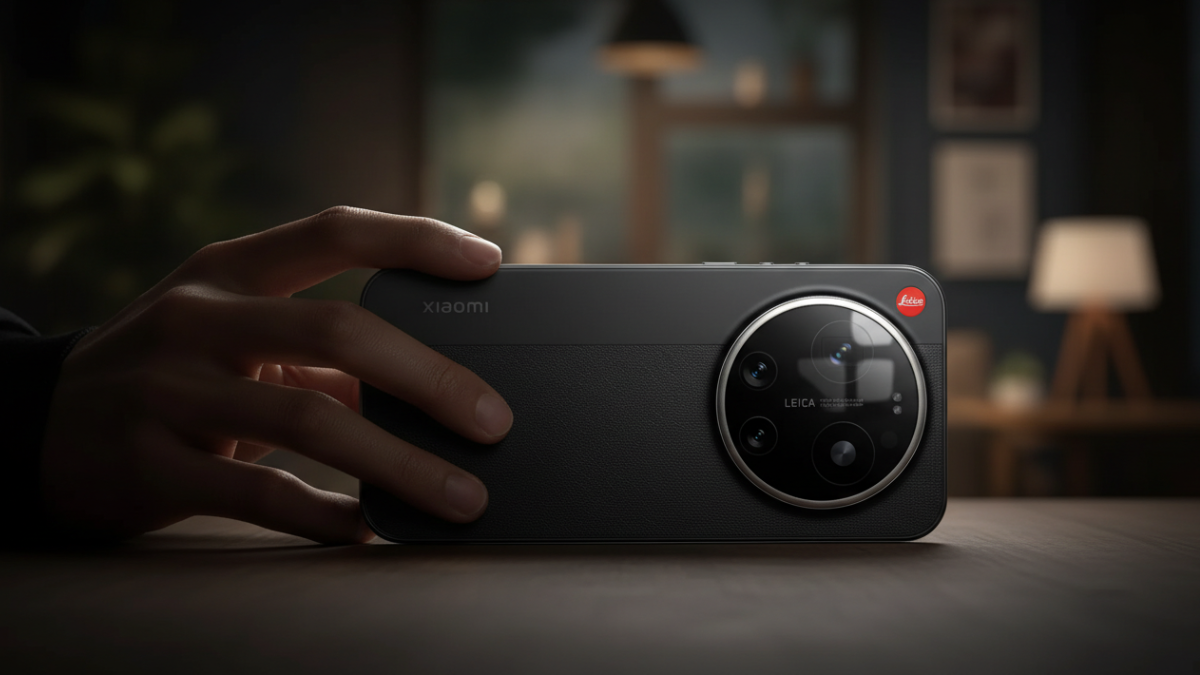
It is exceptionally well put together, with frosted rear glass that simply shrugs off fingerprints and a matte finish to the central frame that does the same. Durability is very good, with Xiaomi’s own Dragon Crystal glass promising scratch protection on par with Corning’s best, and IP68 resistance helping it survive brief dips underwater.
The Colors That Set It Apart
HyperOS 3 runs the software side, with Black, Venture Green, Alpine Pink, and Ice Blue as your color options.
The Alpine Pink is genuinely striking. It is the kind of color that looks subtle in photos but catches the light in a beautiful way when you hold it. Xiaomi is clearly targeting buyers who want personality without being loud about it.
Performance: The Same Chip That Powers the Ultra
This is important.
There is no compromise here. The Xiaomi 17 series was the first to feature the Snapdragon 8 Elite Gen 5 chipset, built on TSMC’s 3 nm fabrication process. Snapdragon 8 Elite Gen 5, 12GB of RAM, 256GB or 512GB of storage.
I expected nothing less than a flawless performance on the Android homescreen, and was not disappointed. This is a very nippy handset, opening apps rapidly and handling multitasking with ease. Synthetic tests backed that up, being faster than the Tensor chipset powering Google’s Pixel 10 Pro.
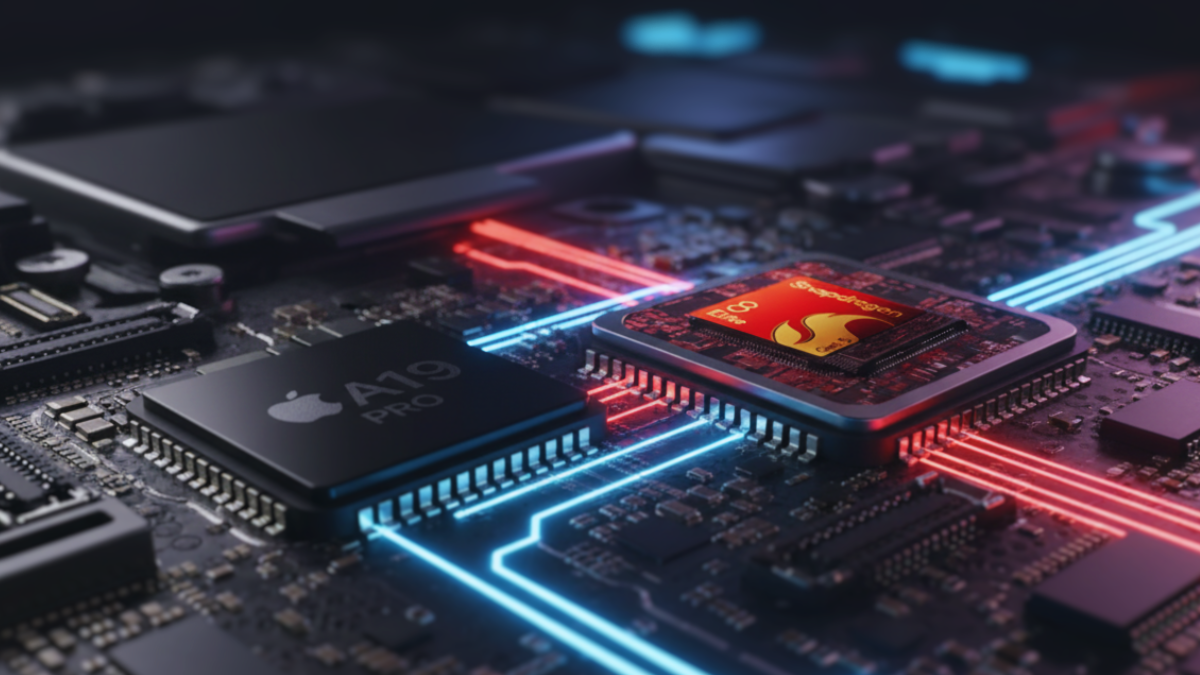
There is a thermal consideration, though. The Xiaomi 17 has a smaller chassis, making it harder to keep the hardware cool under load. You can feel it quickly warm up when playing games. Cooling runs through what Xiaomi calls the Stereoscopic Annular Cold Pump, which claims 3x faster heat dissipation than traditional vapor chambers.
In daily use at our GTP offices, the warmth was noticeable during extended gaming sessions, but it never became uncomfortable. And during normal tasks like scrolling, shooting photos, and streaming video, the phone stayed perfectly cool.
The Camera: Triple 50MP Leica Summilux, and It Delivers
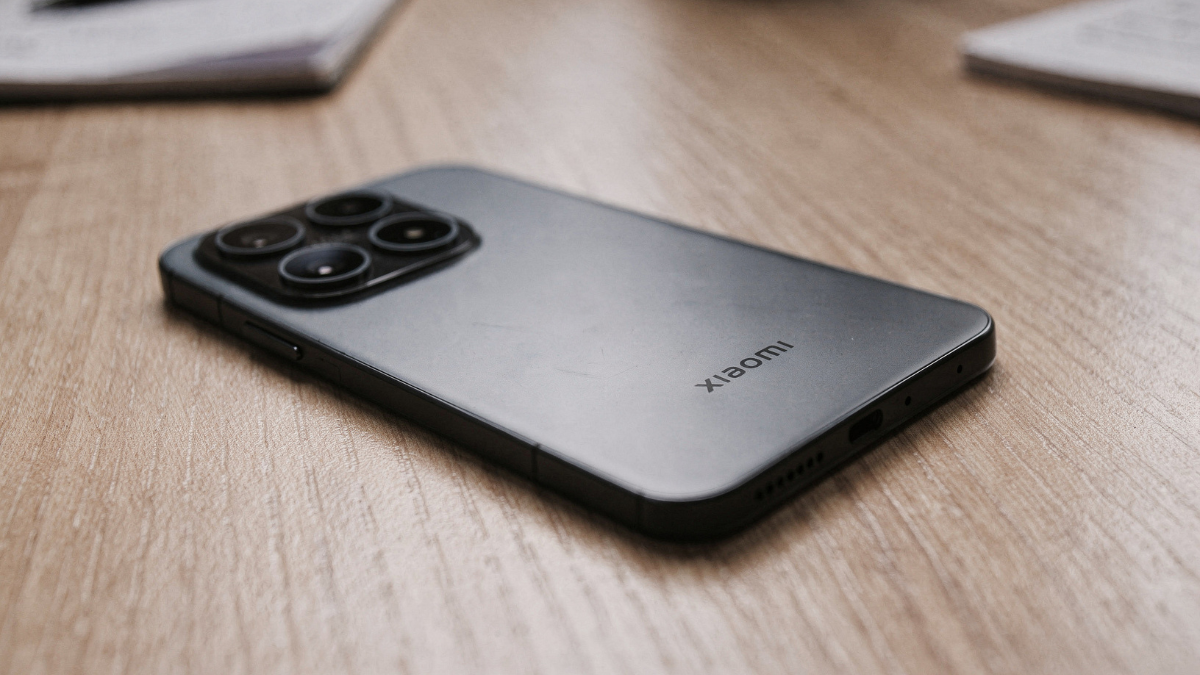
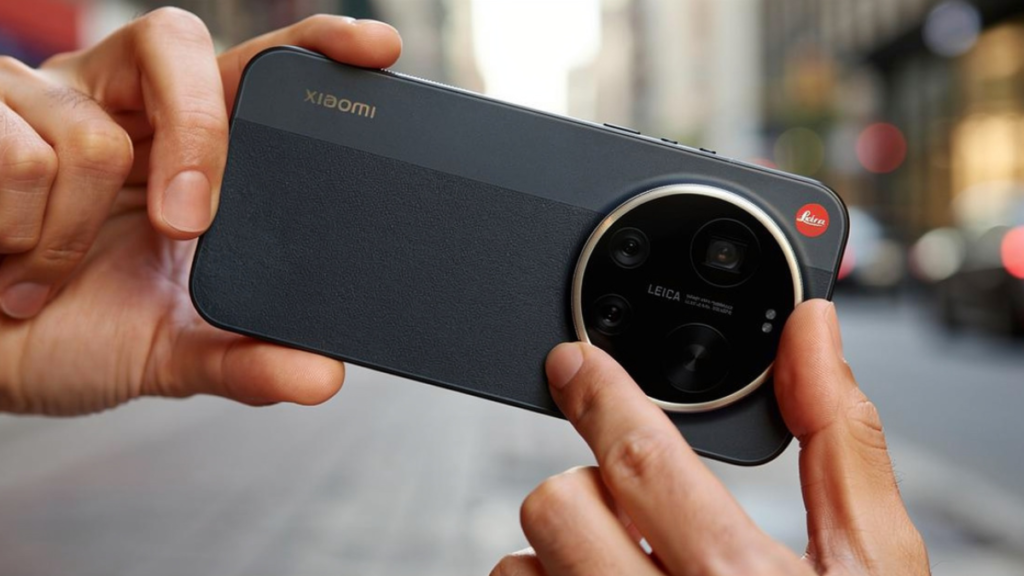
All three rear cameras shoot at 50MP: a Light Fusion 950 main sensor (1/1.31 inch, f/1.67, 13.5EV dynamic range), a 60mm floating telephoto with 5x optical zoom and 10cm macro, and a 102 degree ultra wide. The 50MP front camera adds autofocus.
What the Photos Actually Look Like
The Xiaomi 17’s main camera photos are simply excellent. They have wide dynamic range and great contrast, the auto white balance gets it right, colors have a pleasing amount of pop. It is an expressive look without being over the top and it is easy to like. Detail is also great, with a reasonably natural rendition.
Photos of people at 1x are top class too. Facial detail is excellent, skin tones look nice, and there is some pretty decent background blur too. The Portrait mode enhances that last bit in a measured, believable way, and it deals expertly with unruly hair too.
I shot with the Xiaomi 17 during a rainy afternoon walk in London, and the Leica color science handled the moody lighting in a way that made every photo feel intentional. The 60mm telephoto is particularly impressive for street photography, isolating subjects naturally without any artificial look.
The Xiaomi 17 offers a good set of video recording capabilities, with 4K60 capture all around and Dolby Vision almost all around. Daylight capture is good on the main and the telephoto cameras, though both struggle at night. Stabilization is superb, though.
The Display: 3,500 Nits in a Compact Form Factor
The Xiaomi 17 features a 6.3 inch CrystalRes OLED display with Xiaomi Shield Glass, resolution of 2656 x 1220 at 460 ppi, refresh rate of 1 to 120Hz, DCI P3 color gamut, 12 bit color depth, and 3,500 nits multi scenario peak brightness. The display supports HDR10+ and Dolby Vision. With improved LIPO technology, Xiaomi 17 features thinner 1.18mm bezels, bringing an ultra immersive viewing experience.
For a phone that costs nearly half the price of the Ultra, this display punches well above its weight. The 3,500 nit peak brightness means it is visible in direct sunlight without any squinting, and the 12 bit color depth is genuinely impressive for this price range.
HyperOS 3: Customizable, but Quirky

The Xiaomi 17 phones ship running the company’s HyperOS 3 software out of the box. It is based on Android 16, but has a very different look and feel to Pixel phones. HyperOS 3 looks and feels more iOS inspired than ever. It has its own version of the Dynamic Island, lock screen options with depth effects and widgets, and a very Apple looking quick settings panel.

Possibly the best thing about HyperOS, though, is how customizable it is. You can change just the way everything looks using the various themes and settings menus, even the animations can be swapped around.
The One Software Issue You Should Know About
The massive battery saving measures are a downside. You will need to do some fiddling with background power use options for various apps to ensure that your notifications remain timely.
I experienced this firsthand. WhatsApp notifications were delayed by up to 20 minutes during my first two days until I went into the battery optimization settings and whitelisted the app. Once you fix this, notifications arrive instantly. But Xiaomi should not be making users do this manually in 2026.
The Global vs China Battery Gap Nobody Mentions
Here is the detail that deserves more attention.
In the Chinese market, the mainline Xiaomi 17 uses a 7,000mAh silicon carbon battery with 100W wired and 50W wireless charging, while the global versions of the Xiaomi 17 use 6,330mAh batteries.
That is a 670mAh difference. The Chinese version of the Xiaomi 17 gets a 7,000mAh battery, while global buyers get 6,330mAh.
What we have got in the West is quite a bit different to the experience currently being enjoyed by the Chinese market.
Xiaomi has not publicly explained why the global version has a smaller battery. Some speculate it is related to European shipping regulations for lithium cells. Others believe it is a cost cutting measure. Either way, you should know about this gap before purchasing.
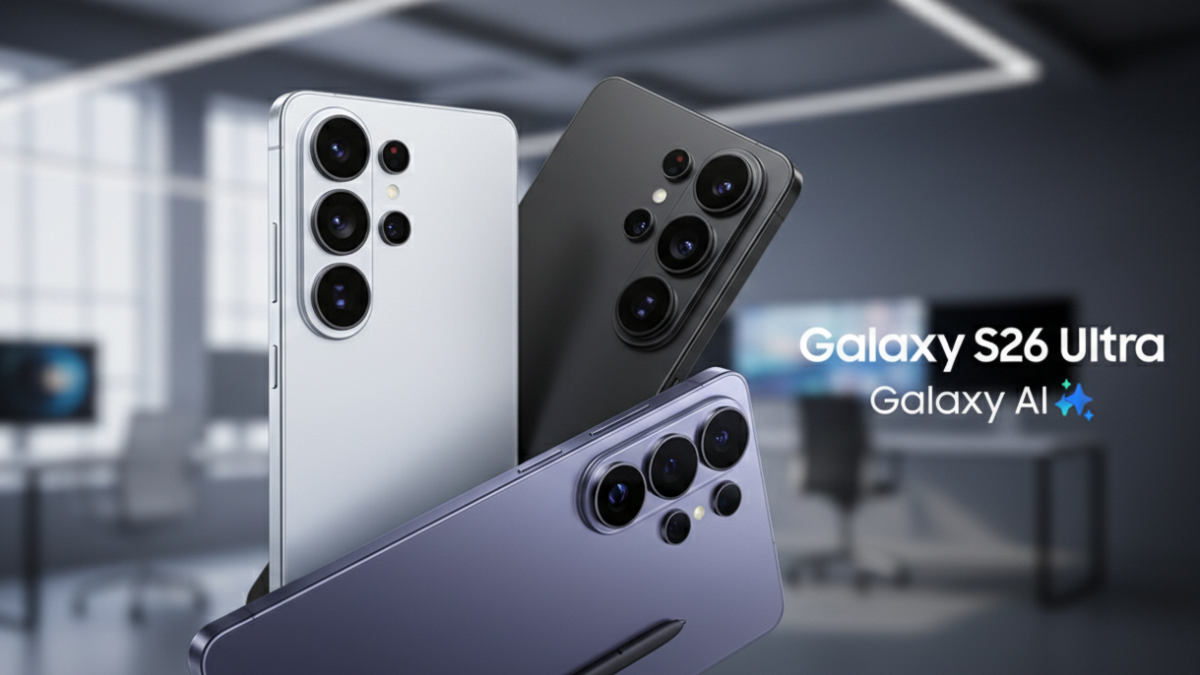
Even so, at 6,330mAh, the global Xiaomi 17 still has a far larger battery than any other compact flagship on the market right now. The Samsung Galaxy S26 ships with a 4,000mAh cell. The iPhone 17 carries approximately 3,900mAh. The Xiaomi 17 offers nearly 60% more capacity in a body that is roughly the same size.
Xiaomi 17 Verified Specs at a Glance

| Spec | Xiaomi 17 (Global) |
|---|---|
| Display | 6.3 inch CrystalRes OLED, 2656 x 1220, 1 to 120Hz, 3,500 nits, 12 bit, HDR10+, Dolby Vision |
| Protection | Xiaomi Shield Glass (Dragon Crystal Glass), IP68 |
| Chipset | Snapdragon 8 Elite Gen 5 (TSMC 3nm) |
| RAM / Storage | 12GB + 256GB or 12GB + 512GB (UFS 4.1) |
| Main Camera | 50MP Light Fusion 950, 1/1.31 inch, f/1.67, OIS, Leica Summilux |
| Telephoto | 50MP, 60mm, f/2.0, OIS, 5x optical zoom, 10cm macro |
| Ultrawide | 50MP OV50M, f/2.4, 102° FoV |
| Front Camera | 50MP with autofocus |
| Video | 8K 30fps, 4K 60fps Dolby Vision, Log recording |
| Battery | 6,330mAh silicon carbon (7,000mAh in China) |
| Charging | 100W wired, 50W wireless, 22.5W wired reverse |
| Software | HyperOS 3 on Android 16 |
| Dimensions | 151.1 x 71.8 x 8.06mm, 191g |
| Colors | Black, Venture Green, Alpine Pink, Ice Blue |
| Price | £899 / €999 (~$630 in China) |
| Global Availability | February 28, 2026 (MWC launch) |
| India Launch | March 11, 2026 |
| US Availability | Not officially sold in the US |
Who Should Buy the Xiaomi 17?
If you are looking for a flagship in a more compact chassis, few come close to this. The Xiaomi 17 represents a refusal to participate in those compromises.
If you live in the UK, Europe, India, or the Asia Pacific region, and you want a compact phone that does not ask you to choose between battery life, camera quality, and raw performance, the Xiaomi 17 is one of the most complete packages available in March 2026.
It has the same Snapdragon 8 Elite Gen 5 that powers every flagship this year. It has a triple 50MP Leica camera system that genuinely impresses reviewers across every publication. It has a 6,330mAh silicon carbon battery in a body that weighs just 191 grams. And it starts at £899.
Who Should Skip It
If you are in the United States or Canada, Xiaomi does not officially sell its smartphones in the US, but it could be imported if you are keen. That means no warranty, no carrier support, and potential band compatibility issues.
If you want long term software updates, Xiaomi’s update commitment does not match Samsung’s seven year promise. What Xiaomi cannot quite match is the software support terms. So if you are planning to hold onto your phone for a long time, that could play into your decision.
And if you prioritize camera hardware above all else, the Xiaomi 17 Ultra’s 1 inch main sensor and 200MP zoom telephoto are on a different level entirely. The standard Xiaomi 17 is excellent for daily photography, but it is not a dedicated camera system.
My Honest Take
On a pure hardware standpoint, the Xiaomi 17 knocks Samsung into second place.
That is not my opinion. That is Stuff.tv’s conclusion after a full review. And after spending time with this phone myself, I agree.
The Xiaomi 17 is the phone I have been recommending to friends who ask me what to buy right now. Not the Ultra. Not the Samsung Galaxy S26. The standard Xiaomi 17.
It is not because it is flashy or because it has the biggest spec sheet. It is because it does everything well, in a body that actually fits in your pocket, with a battery that lasts longer than phones twice its price. The Xiaomi 17 makes a strong case that you do not need to spend $1,000 or more to get flagship performance in a compact body.
The notification delay issue with HyperOS 3 is real, and it needs to be fixed. The global battery being smaller than the Chinese version is disappointing. And the design, while well built, does not exactly stand out on a shelf.
But those are trade offs, not dealbreakers. And in a market where every flagship seems to be pushing past $1,000, having a phone like the Xiaomi 17 that delivers this much at £899 is refreshing.
If Xiaomi sold this phone officially in the US, Samsung would have a serious problem on its hands.