The Snapdragon 8 Elite Gen 5 outperforms the Dimensity 9500 across both CPU and GPU benchmarks. That is NotebookCheck’s conclusion after testing both chips on reference devices. But coming to Qualcomm and MediaTek, there really isn’t much of a difference in actual usage. If anything, the Dimensity 9500 has the edge in efficiency. That is Android Central’s conclusion after a month with five Snapdragon devices and four Dimensity devices. Both are right. Here is why.

The Raw Benchmark Numbers: Snapdragon Wins
I am Ameer Hamza, and at Global Tech Press, we have been testing devices running both chipsets since October 2025. Let me start with the lab numbers.
The Snapdragon 8 Elite Gen 5 records a single-core score of 3,831 and a multi-core score of 12,459 on Geekbench 6. The Dimensity 9500, in comparison, scores 3,635 and 10,941 on those tests.
That is a 5% single-core lead and a 14% multi-core lead for Qualcomm in this particular test.

The Geekbench 6 single-core results show that Qualcomm really has the best single-core design on Android, and this is down to a custom design and increased frequencies, with Qualcomm going up to 4.6GHz while MediaTek doesn’t exceed 4.21GHz.
But MediaTek’s Own Numbers Tell a Different Story
Here is where things get interesting.
In Geekbench 6.4, the Dimensity 9500 achieved a remarkable score of 4,007 points in single-core and 11,217 in multi-core tasks. On the other hand, the Snapdragon 8 Elite Gen 5, in a leaked listing, achieved 3,831 in single-core tasks and 11,525 in multi-threaded tasks. Based on these early Geekbench figures, the Dimensity 9500 appears 4.6% faster than the Snapdragon 8 Elite Gen 5 in single-core tasks.
MediaTek is achieving this CPU performance at a peak frequency of just 4.21GHz whereas the Snapdragon 8 Elite Gen 5 touches 4.61GHz, a considerable gap of 400MHz. Since these are MediaTek’s own published scores, it’s best to take them with a grain of salt.
The GPU Tells a Mixed Story
On the GPU end, the Snapdragon 8 Elite Gen 5 scores 8,492 on 3DMark’s Wild Life Extreme test. The Dimensity 9500 is within touching distance, scoring 8,251 on the same test.
That is only a 3% difference. Virtually identical in real world gaming.
The GPU score, however, favors the Dimensity 9500 (1,510,982 vs 1,468,351 on AnTuTu), but the difference is small, just 3%.
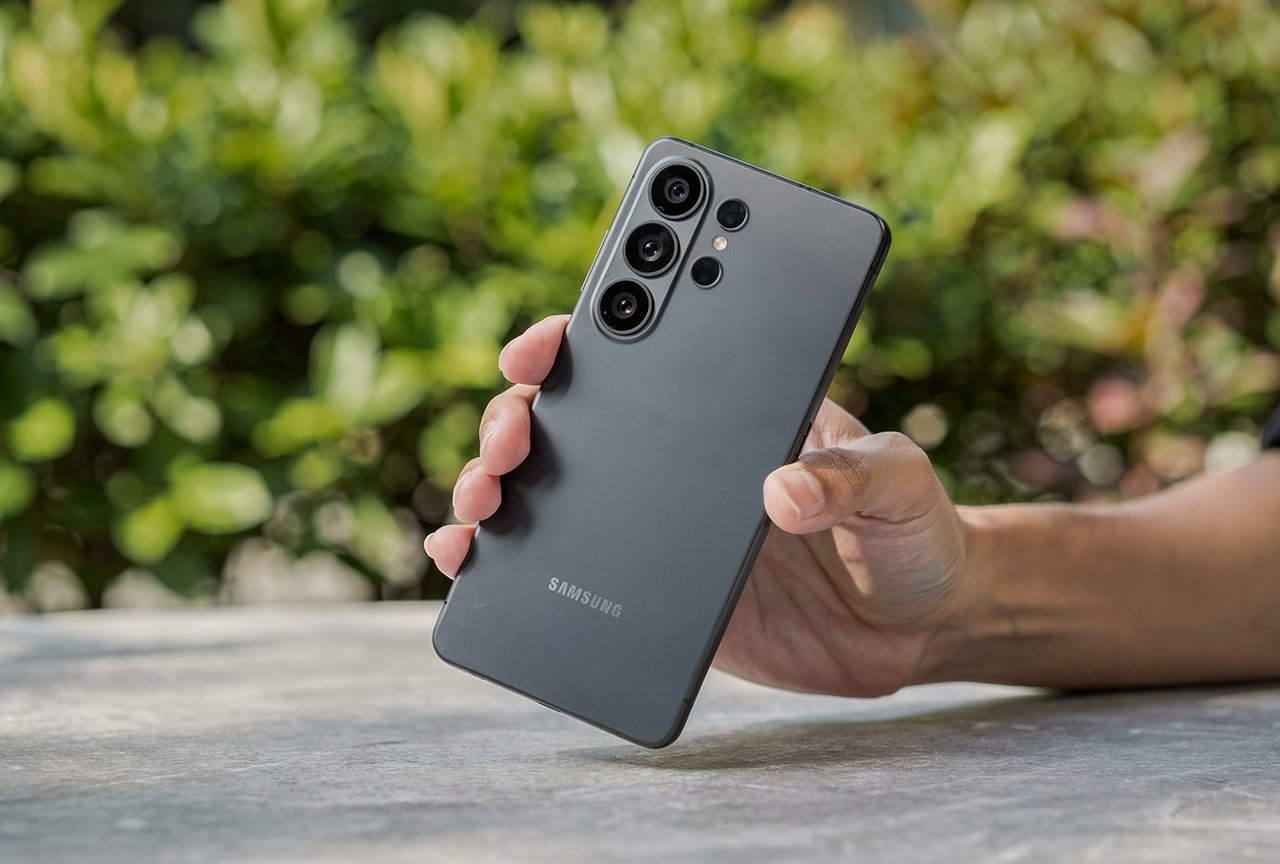
So depending on which benchmark you look at, Snapdragon wins some GPU tests, Dimensity wins others. The gap is negligible.
The Thermal Throttling Problem MediaTek Cannot Ignore

Here is where the Dimensity 9500 story gets complicated.
The Find X9 Pro isn’t too happy under sustained CPU load, quickly dropping to just under half of its initial result, a level it could maintain for about 25 minutes before losing yet more of its performance to thermal throttling. In the 3DMark stress tests, NotebookCheck observed a performance drop of up to 80%.
On the Vivo X300 Pro, temperatures climb to 44.8 degrees Celsius and performance collapses to just 52.5% of peak in Solar Bay. That’s a major accomplishment that will keep the performance enthusiasts onside, although Vivo’s temperature remains a cause for concern.
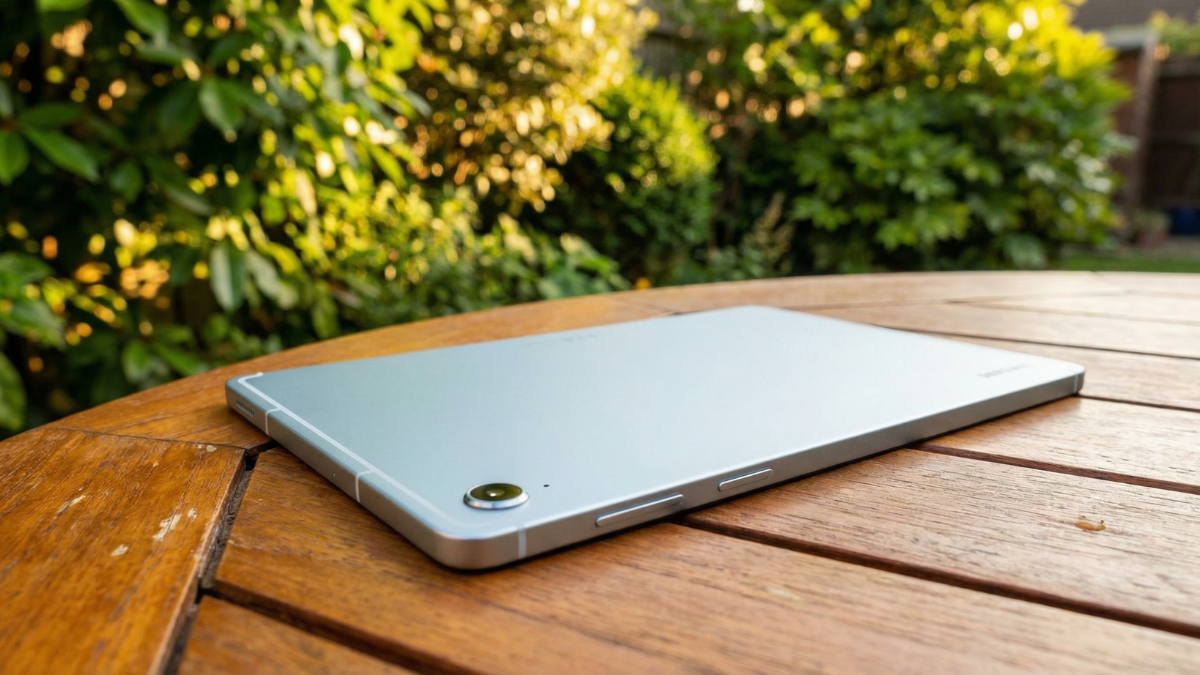
An 80% performance drop under sustained load is not a minor issue. For extended gaming sessions, this matters.
But in Real Life, MediaTek Has the Efficiency Edge
Here is the part that matters more for most people.
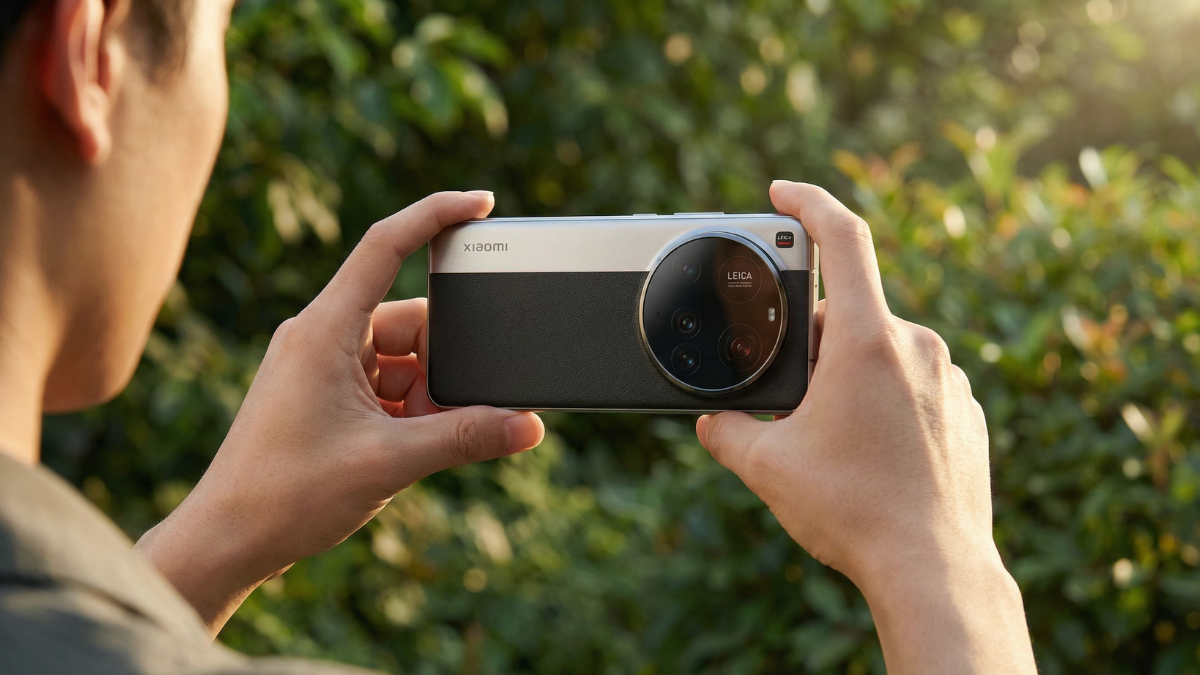
Coming to Qualcomm and MediaTek, there really isn’t much of a difference in actual usage. Both have a similar level of efficiency, but if picking a winner, the Dimensity 9500 has the edge. The Find X9 Pro lasts longer even though it has a similar sized battery as the OnePlus 15. The only point of contention is overheating, which affects Qualcomm much more than MediaTek.
The Redmagic 11 Pro got considerably hotter than the X300 Pro in gaming sessions lasting over an hour. The X300 Pro also got hot, but it was never to a point where it couldn’t be held. The Dimensity 9500 is also up to 30% more power efficient while multitasking in games and social audio call apps.
The Full Benchmark Comparison Table
| Test | Snapdragon 8 Elite Gen 5 | Dimensity 9500 | Winner |
|---|---|---|---|
| Geekbench 6 Single-Core | 3,831 | 3,635 | Snapdragon (+5%) |
| Geekbench 6 Multi-Core | 12,459 | 10,941 | Snapdragon (+14%) |
| Geekbench 6 Single-Core | 3,831 | 4,007 | Dimensity (+4.6%) |
| 3DMark Wild Life Extreme | 8,492 | 8,251 | Snapdragon (+3%) |
| AnTuTu v10 Total | 4,166,339 | 4,011,932 | Snapdragon (+4%) |
| AnTuTu GPU Score | 1,468,351 | 1,510,982 | Dimensity (+3%) |
| Battery Efficiency | Good | Better | Dimensity |
| Thermal Comfort | Hotter | Cooler | Dimensity |
| Sustained Performance | Better stability | Up to 80% drop | Snapdragon |
| 5G Peak Speed | 12.5 Gbps | 7.4 Gbps | Snapdragon |
| Wi-Fi Peak Speed | 5.8 Gbps | 7.3 Gbps | Dimensity |
| Peak CPU Clock | 4.6 GHz | 4.21 GHz | Snapdragon |
| Manufacturing | 3nm TSMC N3P | 3nm TSMC N3P | Tie |
The Specs Comparison
| Spec | Snapdragon 8 Elite Gen 5 | Dimensity 9500 |
|---|---|---|
| CPU | Oryon v3: 2x Prime at 4.6GHz + 6x Performance at 3.62GHz | Arm C1 series: 1x C1-Ultra at 4.21GHz + 3x C1-Premium at 3.5GHz + 4x C1-Pro at 2.7GHz |
| GPU | Adreno 840 | Mali-G1 Ultra MC12 |
| NPU | Hexagon NPU (37% faster than predecessor) | NPU 990 (2x faster, 56% less power) |
| RAM Support | LPDDR5X 10667 | LPDDR5X 10667 |
| Storage | UFS 4.1 | UFS 4.1 4-lane (2x faster sequential) |
| 5G Modem | X85 (12.5 Gbps) | MediaTek M85 (7.4 Gbps) |
| Wi-Fi | Wi-Fi 7 (5.8 Gbps) | Wi-Fi 7 (7.3 Gbps) |
| Bluetooth | 6.0 | 6.0 |
| Process | 3nm TSMC N3P | 3nm TSMC N3P |
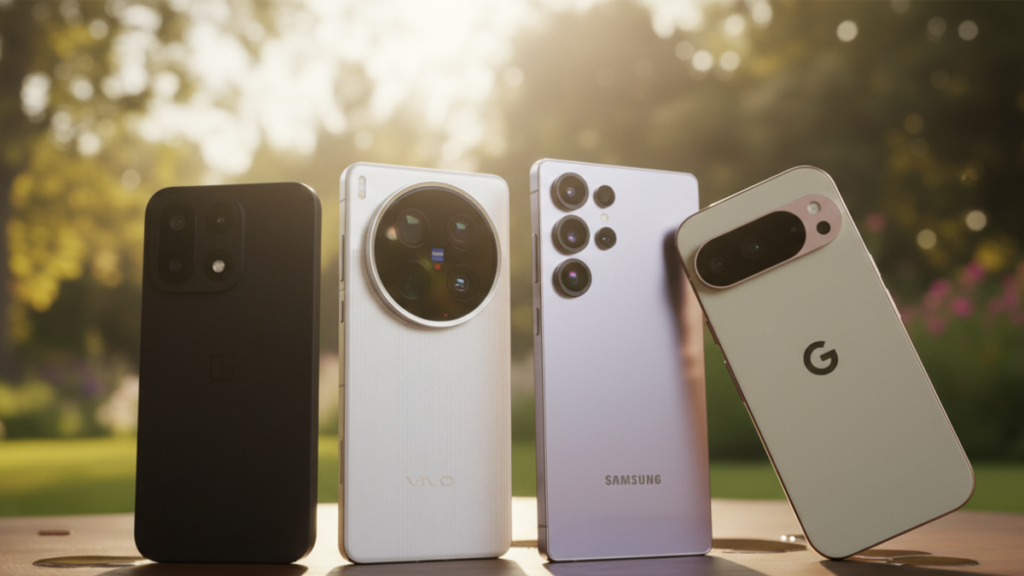
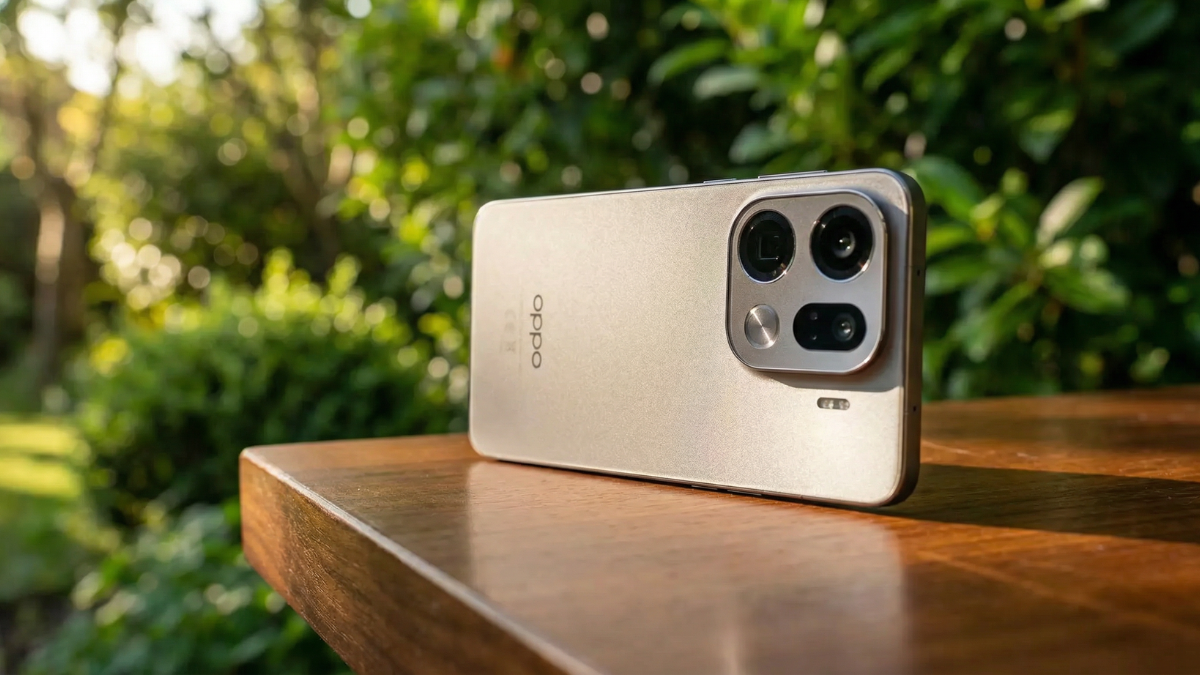
| Key Phones | Galaxy S26, OnePlus 15, iQOO 15, Redmagic 11 Pro | Oppo Find X9 Pro, Vivo X300 Pro, Oppo Find X9 |
Who Should Choose Which Chip
Choose Snapdragon 8 Elite Gen 5 if you want the highest sustained gaming performance, the fastest 5G modem, and you buy phones from Samsung, OnePlus, or Xiaomi’s flagship lines. Qualcomm’s Snapdragon 8 Elite Gen 5 still seems to hold the performance crown.
Choose Dimensity 9500 if you prioritize battery efficiency, cooler thermals during daily use, and you are considering phones from Oppo or Vivo. Qualcomm still has a slender edge, but MediaTek is onto something special with the Dimensity 9500.
My Honest Take
After testing devices running both chips since October 2025, here is the truth.
It’s hard to draw definitive conclusions from just one phone, but the Dimensity 9500 seems like another solid flagship chip from MediaTek. It provides a notable boost over its already potent predecessor and has closed the gap with Qualcomm’s Snapdragon 8 Elite in both CPU and GPU performance.
The Snapdragon 8 Elite Gen 5 wins benchmarks. The Dimensity 9500 wins efficiency and thermal comfort. Neither wins everything.
The real difference in 2026 is not which chip is faster. Both are fast enough for anything you throw at them. The real difference is what the phone manufacturer does with the chip.
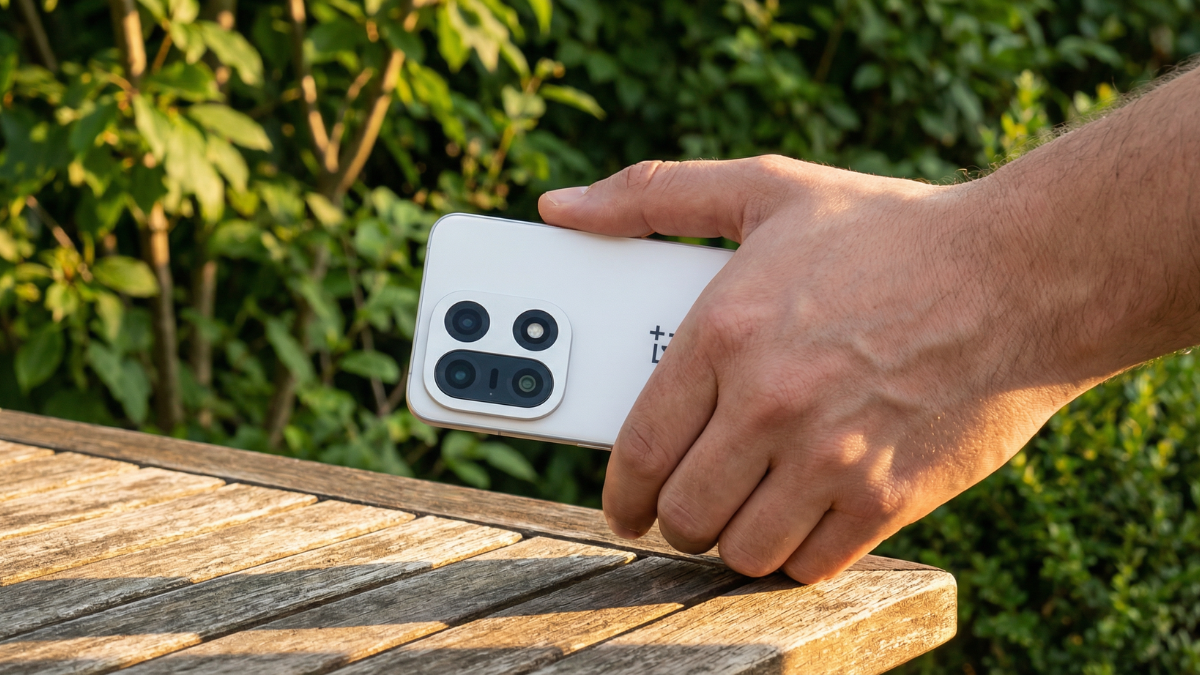
Samsung’s vapor chamber and aluminum frame make the Snapdragon run cool in the Galaxy S26 Ultra. Oppo’s thermal management lets the Dimensity throttle by 80% in the Find X9 Pro.
Same chip. Wildly different experience depending on the phone around it.
Buy the phone, not the chip. That is the lesson of 2026.
Sources I Used In This Article:
- Android Central (full comparison)
- Android Authority (Dimensity 9500 benchmarked)
- NotebookCheck (benchmark comparison)
- Beebom (benchmark specs comparison)
- GSMArena (Oppo Find X9 Pro performance review)
- NotebookCheck (Oppo Find X9 Pro throttling verdict)
- Trusted Reviews (specs comparison)
- MediaTek Official (Dimensity 9500)

Written by Ameer Hamza
Tech Analyst and Founder of Global Tech Press. Currently expanding the GTP hardware testing labs and building the next generation of digital tech media.