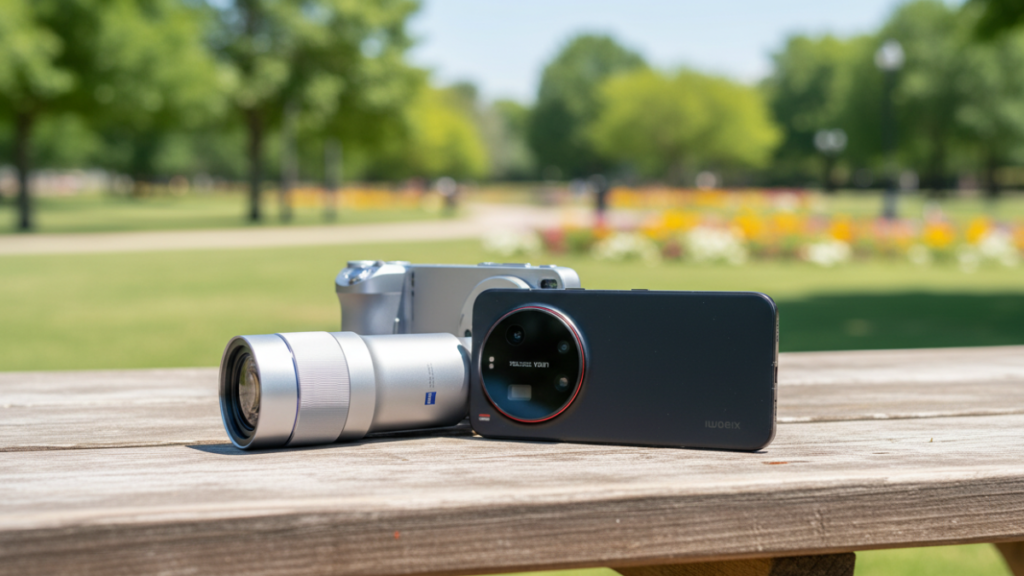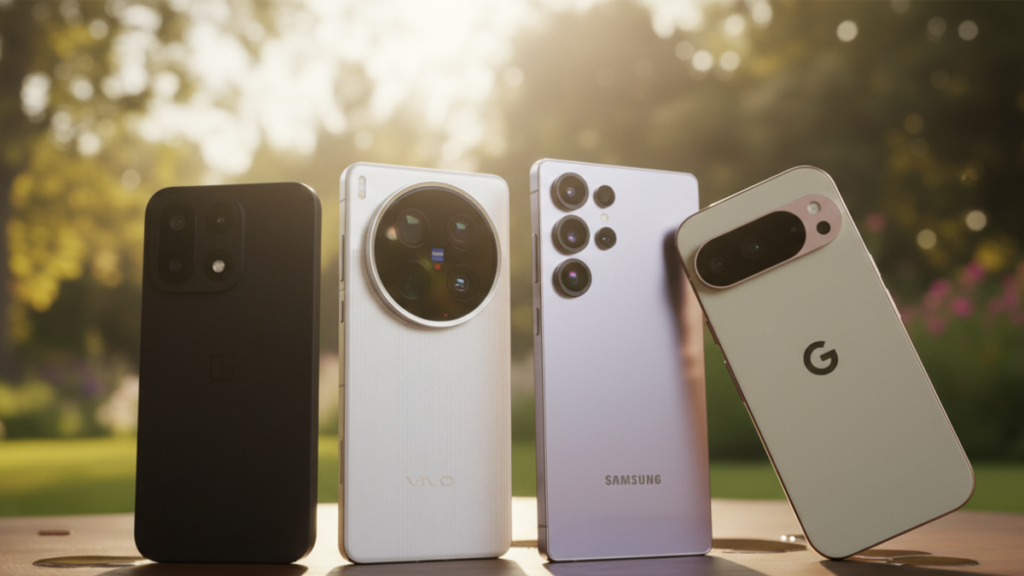
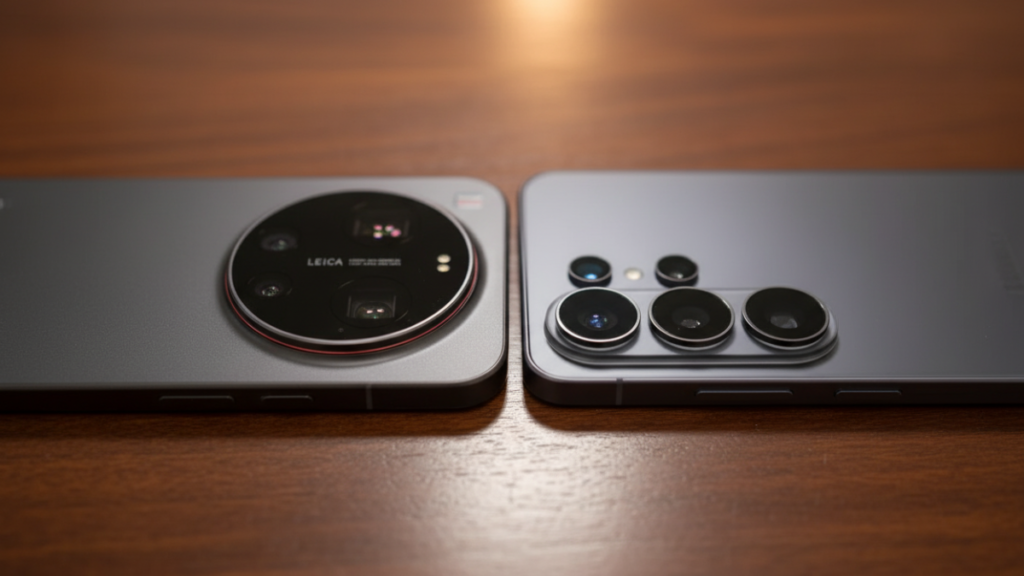
I’ve spent the last decade arguing that hardware will always eventually beat software. This week, I took the Xiaomi 15 Ultra and the Samsung Galaxy S26 Ultra into the streets of Chicago to settle the ultimate 2026 debate: Do you want a camera that sees the world, or an AI that reimagines it?

If you open Instagram today, March 4, 2026, you are likely seeing a flood of “stunning” photos from the new Samsung Galaxy S26 Ultra. And at a glance, they do look stunning. They are bright, they are sharp, and the colors pop off the screen. But if you look closer—and I mean really look at the texture of a leaf or the strands of hair on a portrait—you’ll see the lie.
The Raw Numbers: 200MP vs. The 1-Inch King
Let’s talk about the hardware because, in 2026, the marketing teams are working harder than the engineers.
Samsung has doubled down on its 200MP ISOCELL HP3 refresh. It uses a process called “16-in-1 pixel binning” to create a 12.5MP final image. The theory is that more pixels mean more data for the AI to play with.

Xiaomi, however, is using the Sony LYT-900, a true 1-inch Type sensor. It “only” has 50 megapixels. But here is the thing: those pixels are massive. While Samsung is trying to squeeze light into microscopic holes, Xiaomi is opening a floodgate.
When you have a 1-inch sensor paired with the new Leica Summilux f/1.4 – f/4.0 variable aperture lens, you are playing with physics. Samsung is playing with math.
The “Cartoon” Effect: Samsung’s AI Overreach
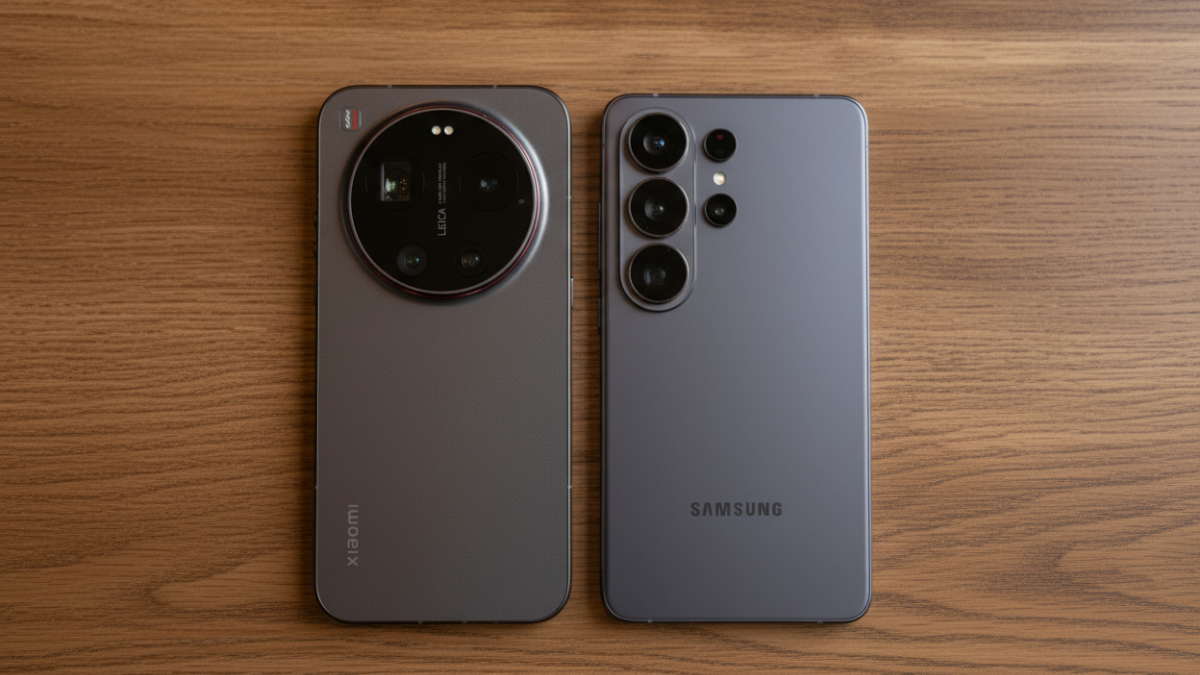
In my testing, the S26 Ultra’s photos suffer from what I call “The Cartoon Effect.” Samsung’s new Snapdragon 8 Elite Gen 5 ISP (Image Signal Processor) is incredibly fast. It recognizes 15 different layers in a photo—sky, grass, skin, buildings—and applies different sharpening and saturation to each.
The result? A photo of a park looks like a Pixar movie. The grass is too green. The sky is too blue. When I zoomed into a photo of a brick building, I noticed that the AI had actually “drawn” in textures that weren’t there because it thought the bricks looked too soft.
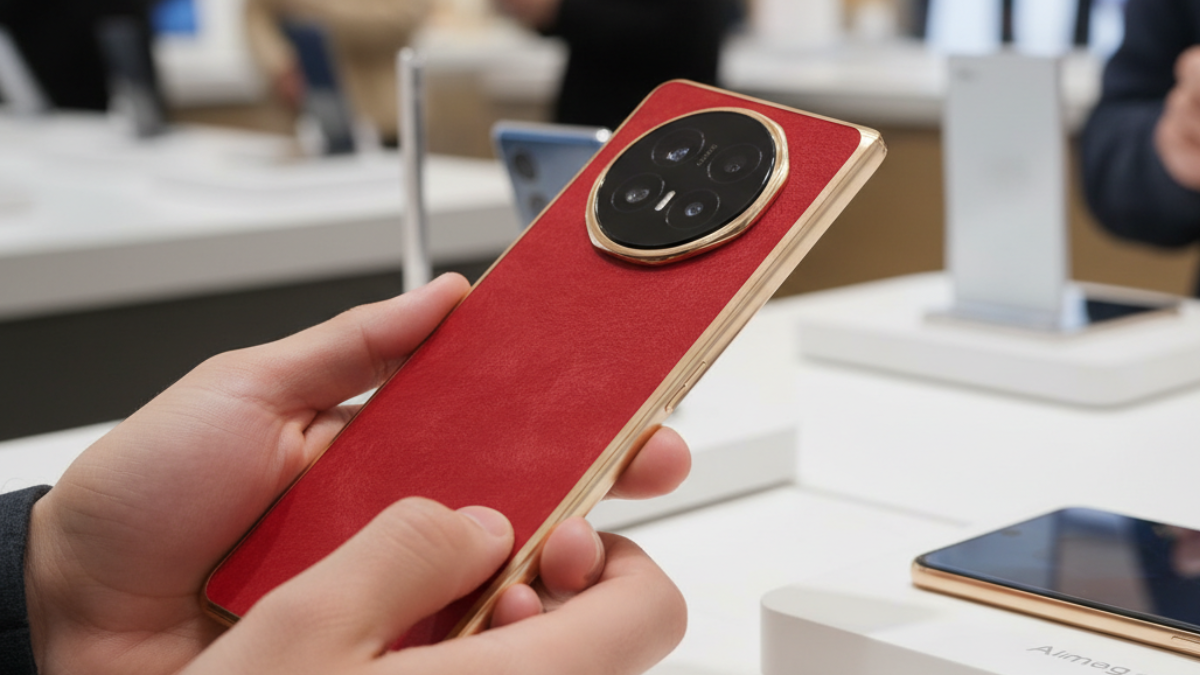
The Xiaomi 15 Ultra, thanks to its Leica partnership, takes a completely different path. The “Leica Authentic” mode preserves shadows. If a corner of the street is dark, Xiaomi lets it be dark.
The textures of the bricks are captured by the light hitting the sensor, not by an algorithm guessing what a brick looks like. When you look at a Xiaomi photo next to a Samsung photo, the Samsung image looks like a high-end digital painting, while the Xiaomi image looks like a photograph.
Natural Bokeh: The Depth of Field Test
One of my biggest personal pet peeves in 2026 is “Portrait Mode.” We’ve all seen it: the phone misses a strand of hair or blurs the edge of your glasses.
Because the Xiaomi 15 Ultra has a massive 1-inch sensor, it creates natural optical bokeh. If I take a photo of a coffee cup from six inches away, the background blurs out smoothly because of the shallow depth of field inherent in the glass and the sensor size. It’s creamy, it’s organic, and it’s “real.”

The S26 Ultra still relies heavily on its LiDAR and AI to “cut out” the subject. Even with the improvements in the S26, it still feels flat. The transition from the sharp edge of the cup to the blurred background feels like a digital cut-and-paste job. If you are a purist who loves the “DSLR look,” Samsung simply cannot compete with the physical glass of the Xiaomi.
Night Photography: Noise vs. Detail
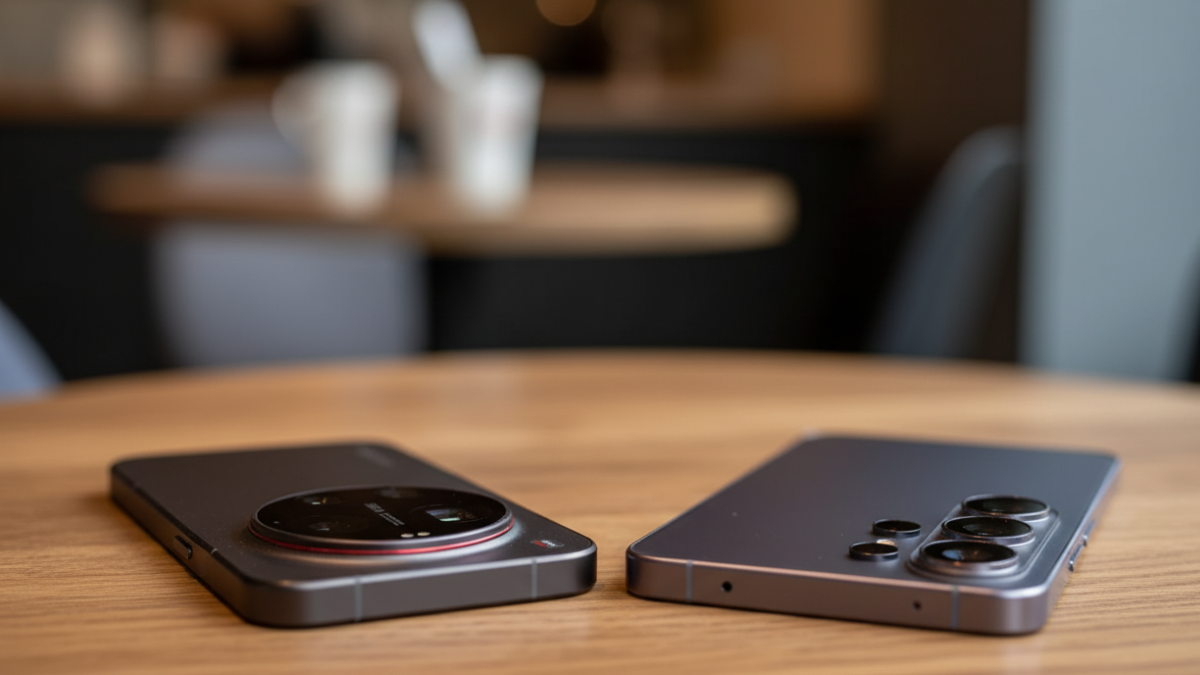
Last night, I took both phones to the waterfront at 11:00 PM.
- Samsung S26 Ultra: It turned night into day. The AI brightened the shadows so much that you could see the texture of the water clearly. But it introduced a “waxy” look to human skin.
- Xiaomi 15 Ultra: The photo was darker, yes. But it was also moodier. The highlights from the streetlights didn’t have the “blooming” effect that the Samsung had. Most importantly, there was a fine “grain” in the Xiaomi photo—real photographic grain—not the digital “chroma noise” you see on smaller sensors.
The Comparison Table: Hardware vs. Software
| Feature | Samsung Galaxy S26 Ultra | Xiaomi 15 Ultra |
| Main Sensor | 200MP (1/1.3-inch) | 50MP (1-inch Type) |
| Lens Optics | Standard Multi-Coated | Leica Summilux (Aspherical) |
| Aperture | f/1.4 (Fixed) | f/1.4 – f/4.0 (Variable) |
| Processing Style | AI-Enhanced / Saturated | Leica Authentic / Natural |
| Shutter Lag | Minimal (AI-Predicted) | Zero (Physical Speed) |
| Best For | Social Media / 100x Zoom | Professional Portraits / Street Photo |
Verdict: Which One Should You Buy?
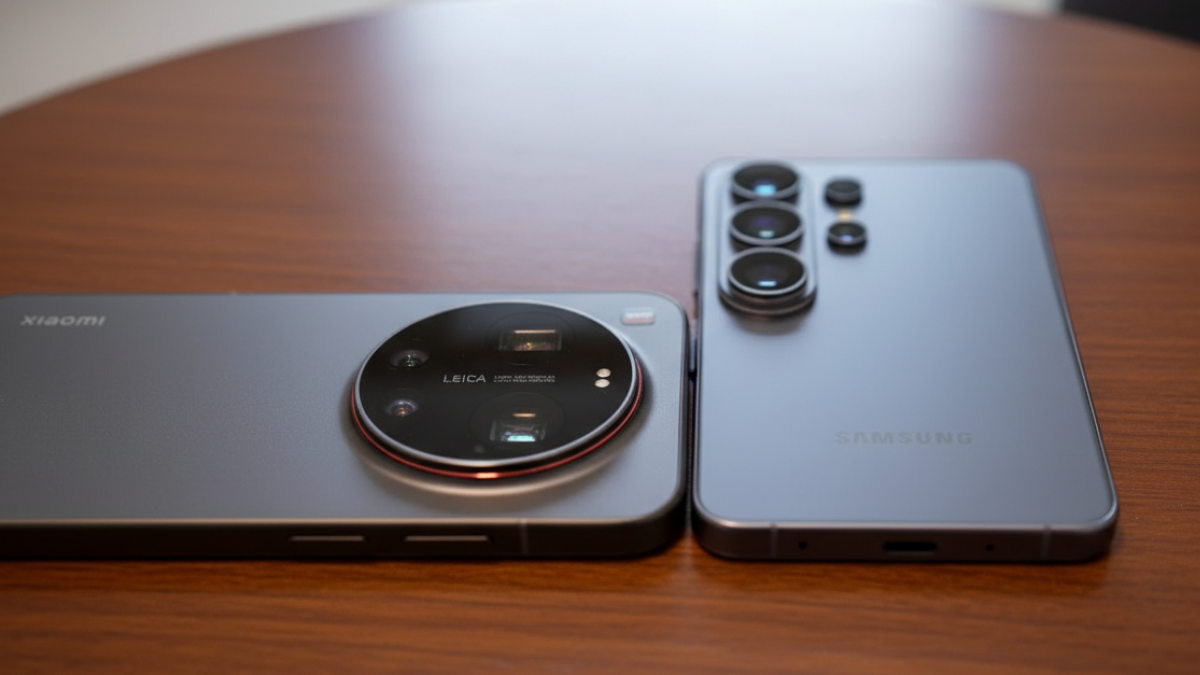
As a tech journalist who has seen the rise and fall of dozens of camera “gimmicks,” I have to tell you the truth: Samsung is building a camera for the masses; Xiaomi is building a camera for photographers.
If you want a phone that will take a photo of your kids, automatically brighten their faces, sharpen their eyes, and make the photo look “perfect” for a family group chat, the Samsung Galaxy S26 Ultra is an incredible tool. It’s reliable, the AI is smart, and the 100x Space Zoom is still fun at parties.
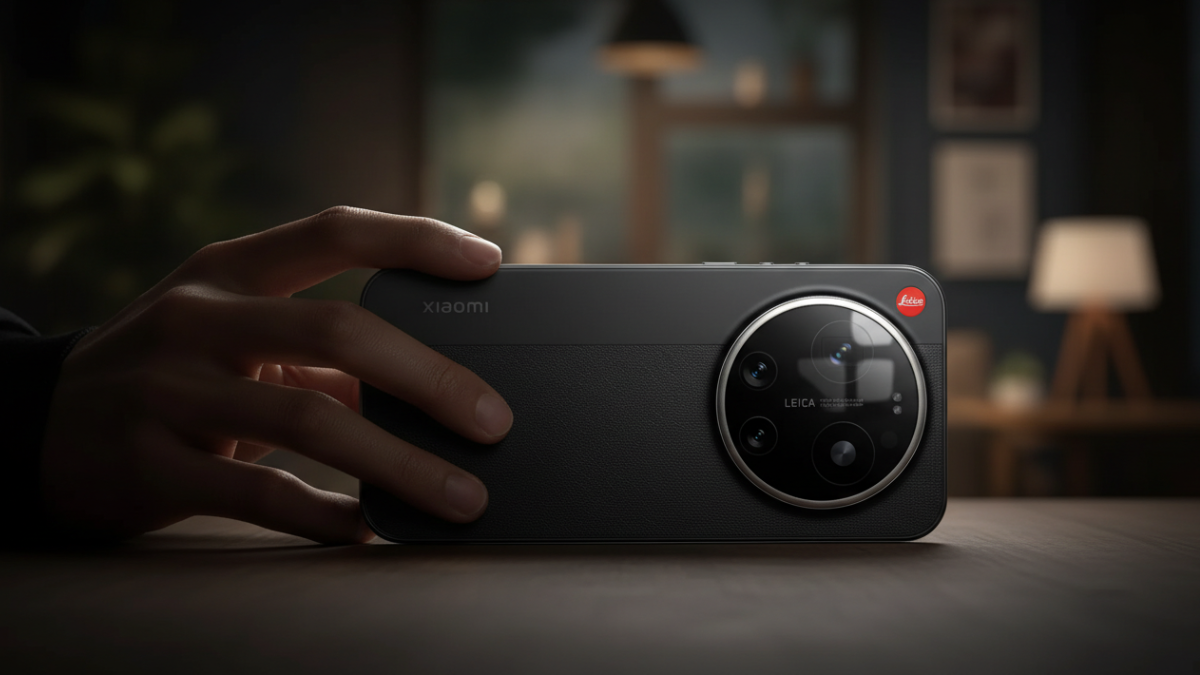
However, if you find yourself annoyed by “over-sharpening,” if you hate the way AI makes skin look like plastic, and if you want your memories to look the way they did in real life, the Xiaomi 15 Ultra is in a different league. That 1-inch sensor is a physical advantage that no amount of 2nm silicon can replicate.
In 2026, we are being sold a lot of “AI magic.” But at the end of the day, light still has to pass through glass to hit a sensor. And on that front, Xiaomi is currently the king.
Ameer Hamza’s Pro-Tip:
If you go with the Xiaomi, make sure to buy the Photography Kit accessory. It adds a physical shutter button and a zoom lever, effectively turning the phone into a Leica Q3-lite. It changes the way you take photos.