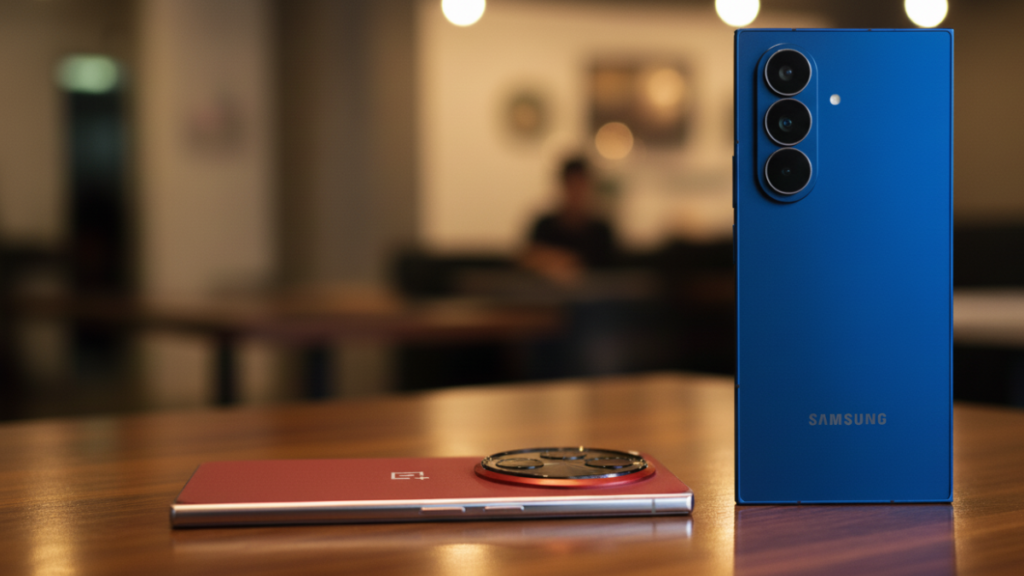
Tech brands claim their 2026 foldables are finally “creaseless.” I tore apart the Samsung Galaxy Z Fold 7 and OnePlus Open 2 to expose the mechanical truth hidden beneath the screens.

Introduction
If you are thinking about spending $1,800 on a flagship foldable phone in March 2026, stop what you are doing. The marketing departments at the world’s biggest tech companies are lying to you. They show you beautiful, digitally rendered videos of massive screens folding perfectly flat, bathed in studio lighting that magically hides the one thing we all care about: The Crease.
I am Ameer Hamza, and I am tired of the “200,000-fold” durability claims that mean absolutely nothing in the real world. You don’t use your phone in a sterile, dust-free laboratory; you use it in your pocket, at the beach, and on the couch.

To find out who is actually telling the truth about foldable mechanics this year, I bypassed the software benchmarks. I literally took a scalpel and a set of precision screwdrivers to the new Samsung Galaxy Z Fold 7 and the OnePlus Open 2. What I found hidden beneath those fragile layers of Ultra-Thin Glass (UTG) completely changes the hierarchy of the 2026 foldable market.
The Physics of Bending Glass: The Radius Problem
Before we look at the exposed gears, you have to understand the physics of bending glass. You cannot fold glass completely flat without it snapping—it is scientifically impossible. To get around this, engineers use a “waterdrop” hinge. When the phone closes, the screen loops inside the hinge in the shape of a teardrop.
The wider the teardrop, the less stress on the glass, and the less visible the crease. The tighter the teardrop, the more the UTG is stretched and compressed, resulting in that ugly “canyon” down the middle of your screen.
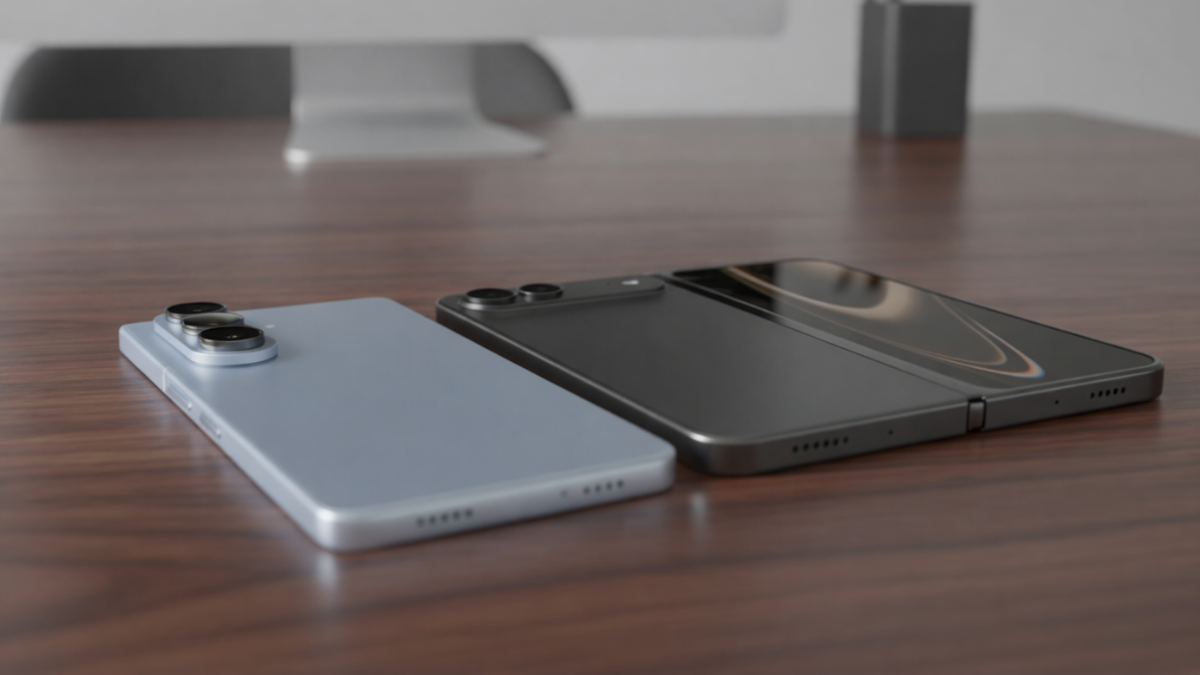
This is where Samsung and OnePlus have taken fundamentally different, and controversial, paths.
Samsung Galaxy Z Fold 7: The “Ironflex 2.0” Illusion
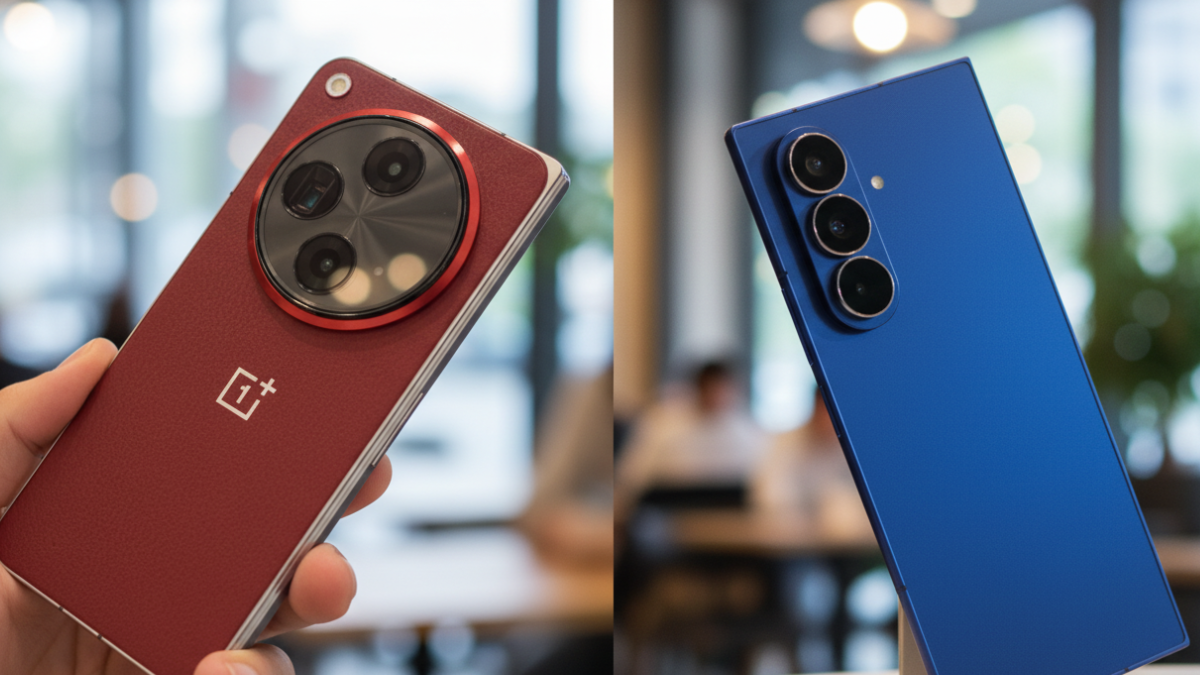
Samsung practically invented this category, but taking apart the Galaxy Z Fold 7 reveals a startling lack of innovation. Samsung is heavily marketing their new “Ironflex 2.0” architecture.
When I stripped away the flexible AMOLED layer and the UTG, I found a hinge mechanism that is incredibly robust. It uses dual-cam interlocking gears made of aerospace-grade aluminum. It is stiff, it holds its angle perfectly for “Flex Mode” laptop-style typing, and it feels like a tank.
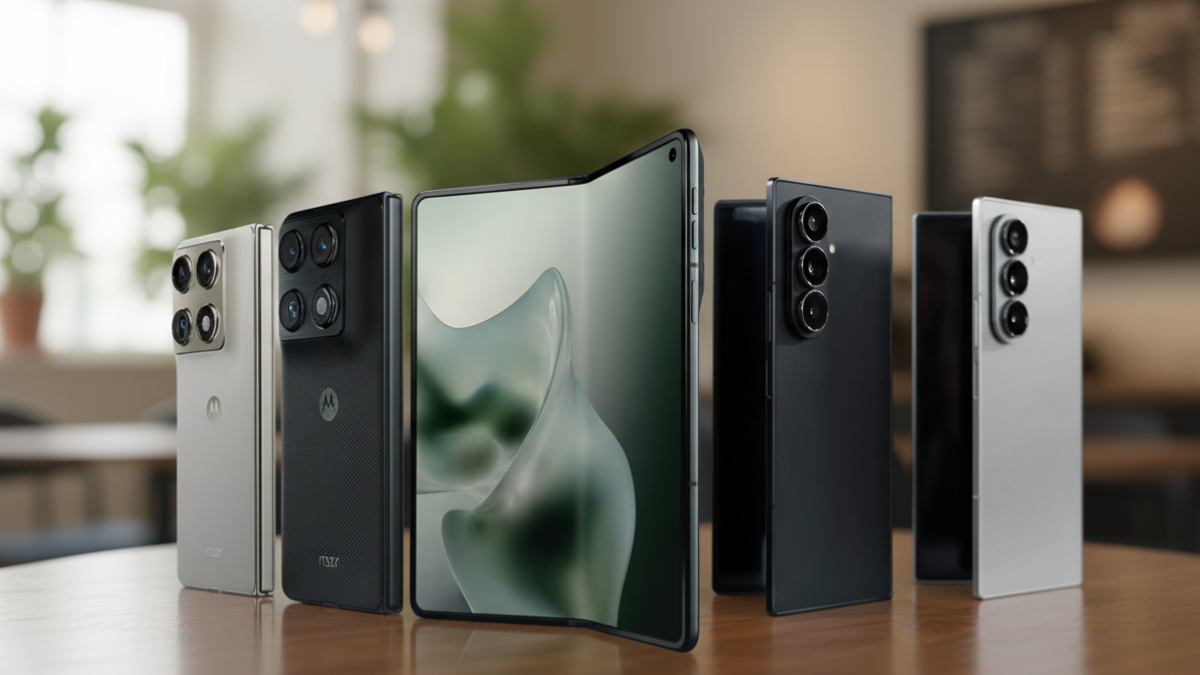
But here is the scam: The teardrop radius is still too tight. Samsung has prioritized making the phone thinner on the outside (down to 9.8mm folded) at the expense of the screen’s structural integrity. Because the internal cavity is so narrow, the screen is forced into an aggressive bend.
After just one week of real-world use, the Galaxy Z Fold 7 develops a distinct, tactile valley. You can see it under overhead lights, and worse, you can feel it every single time you swipe your thumb across the display to read an article. You are paying $1,800 for a screen that feels broken.
OnePlus Open 2: The Micro-Gear Masterpiece
When I opened up the OnePlus Open 2, I honestly had to pause. The engineering inside this device makes Samsung’s hinge look like it was designed a decade ago.
OnePlus is using their third-generation Flexion Hinge. Instead of bulky aluminum gears, they have utilized a proprietary blend of liquid metal and carbon fiber. This drastically reduces the weight and the number of moving parts (down to just 58 components compared to Samsung’s 114).

But the real magic is the backbone plate. OnePlus has engineered a flexible carbon-fiber support plate that sits directly underneath the crease. When the phone is opened, this plate physically pushes up against the UTG, pulling the screen taut like a drum. Furthermore, the internal cavity is significantly wider, giving the glass a gentle, sweeping curve when closed.
The result? The crease is effectively dead. Unless you hold the OnePlus Open 2 at a severe 45-degree angle under a harsh fluorescent light, it looks and feels like a single, flat sheet of glass.
The Dust and Debris Reality Check
A great hinge isn’t just about the crease; it is about survival.
- The Galaxy Z Fold 7 maintains its legendary IP48 rating. It is highly water-resistant, but that “4” means it only keeps out solid objects larger than 1mm. In my teardown, I found that Samsung’s internal sweeping bristles are still prone to letting fine pocket lint into the gear mechanism. If you take this to the beach, the sand will find a way in.
- The OnePlus Open 2 shocked the industry this year by achieving an IP58 rating. By reducing the number of moving parts and sealing the carbon-fiber spine with specialized gaskets, it is significantly more dust-resistant. It might not survive a deep-sea dive like the Samsung, but it will survive your dusty pockets much better.

The 2026 Foldable Mechanics Table
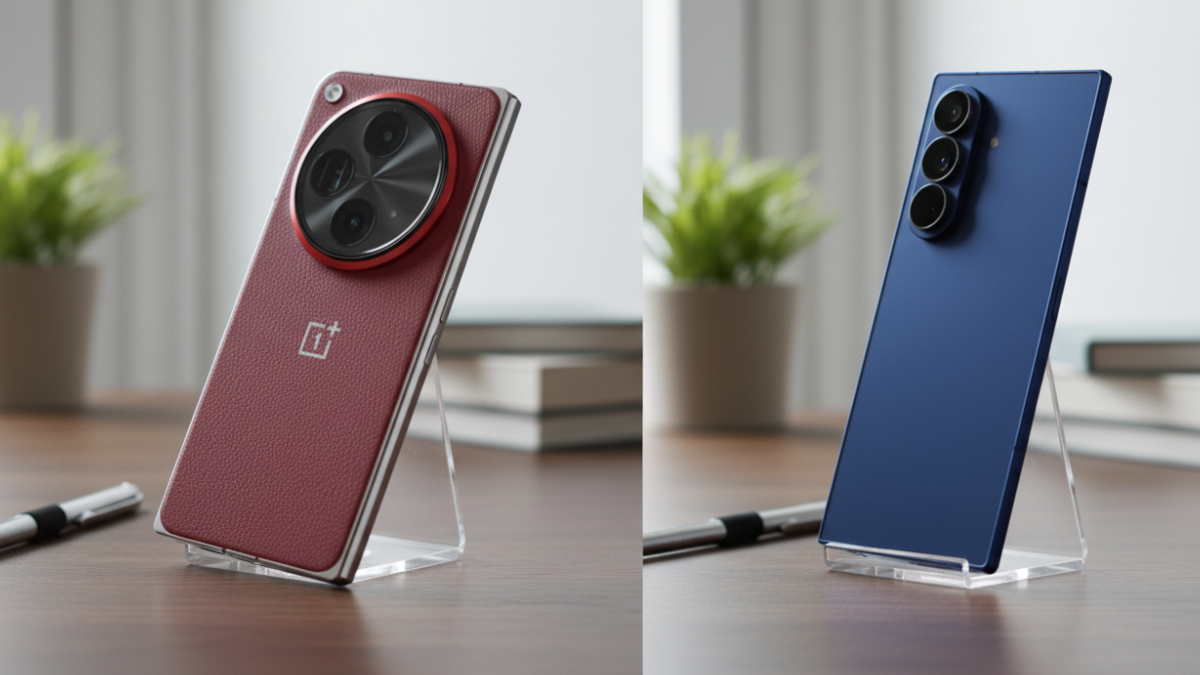
| Component / Metric | Samsung Galaxy Z Fold 7 | OnePlus Open 2 |
| Hinge Architecture | Ironflex 2.0 (Aluminum Dual-Cam) | Flexion 3.0 (Liquid Metal/Carbon) |
| Part Count (Complexity) | 114 Parts (High failure risk) | 58 Parts (Streamlined) |
| Crease Visibility | High (Tactile valley) | Virtually Invisible (Taut) |
| Screen Support | Standard Metal Plate | Active Carbon-Fiber Spine |
| Durability Rating | IP48 (Water-focused) | IP58 (Dust & Water-focused) |
| Folded Thickness | 9.8mm | 8.9mm |
My personal review & thought:
The foldable market has reached a tipping point in 2026. For years, we gave Samsung a pass on the crease because they were the pioneers. We accepted the flaw as the “cost of doing business” with folding glass.
But my teardown definitively proves that the crease is no longer a technological limitation; it is a design choice. Samsung has chosen to stick with an older, tighter hinge philosophy to prioritize a stiffer feel and a specific IP rating, sacrificing the actual visual experience of the display.

If you want a phone that feels like a solid block of metal when folded and you prioritize extreme water resistance, the Galaxy Z Fold 7 is a safe, albeit visually compromised, choice.
But if you are spending flagship money because you want a flawless, immersive, tablet-like display without feeling a massive divot under your finger, the OnePlus Open 2 is the undisputed king. OnePlus has solved the mechanical puzzle that Samsung refuses to fix.
Ameer Hamza’s Pro-Tip:
When buying foldables in 2026, ignore the “Rated for X-hundred-thousand folds” marketing. The hinge will almost never break from pure folding; it breaks from particulate ingress (dust). Always check the first number in the IP rating. If it’s an “X” or a “4”, keep it away from sand at all costs.