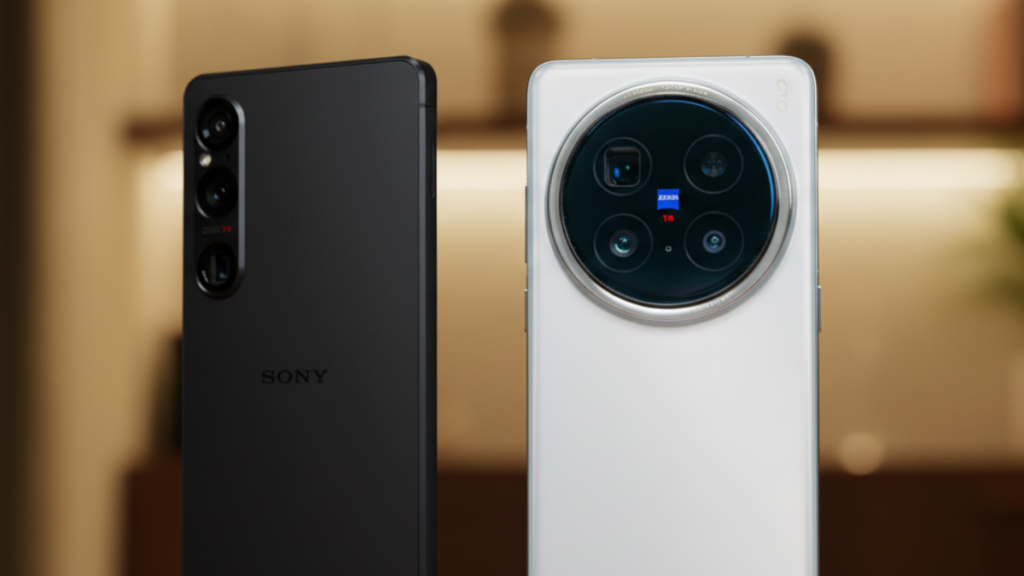
Everyone talks about the cameras, but what about the feel? I compared the Sony Xperia 1 VII’s revolutionary piezoelectric haptics against the Vivo X200 Pro to find the true king of tactile feedback.

Introduction
In the race to build the perfect 2026 flagship, manufacturers have become obsessed with numbers. They shout about 200-megapixel sensors, 4,500-nit displays, and 6,000mAh batteries. But as Ameer Hamza, I’ve noticed that most brands are neglecting the one thing that connects you to your phone more than anything else: Touch.
When you type a message, when you fire a gun in a game, or even when you scroll past the end of a page, your phone “talks” to you through vibrations. Most of you probably think a vibration is just a vibration. But in March 2026, there is a massive technological divide happening under the hood.
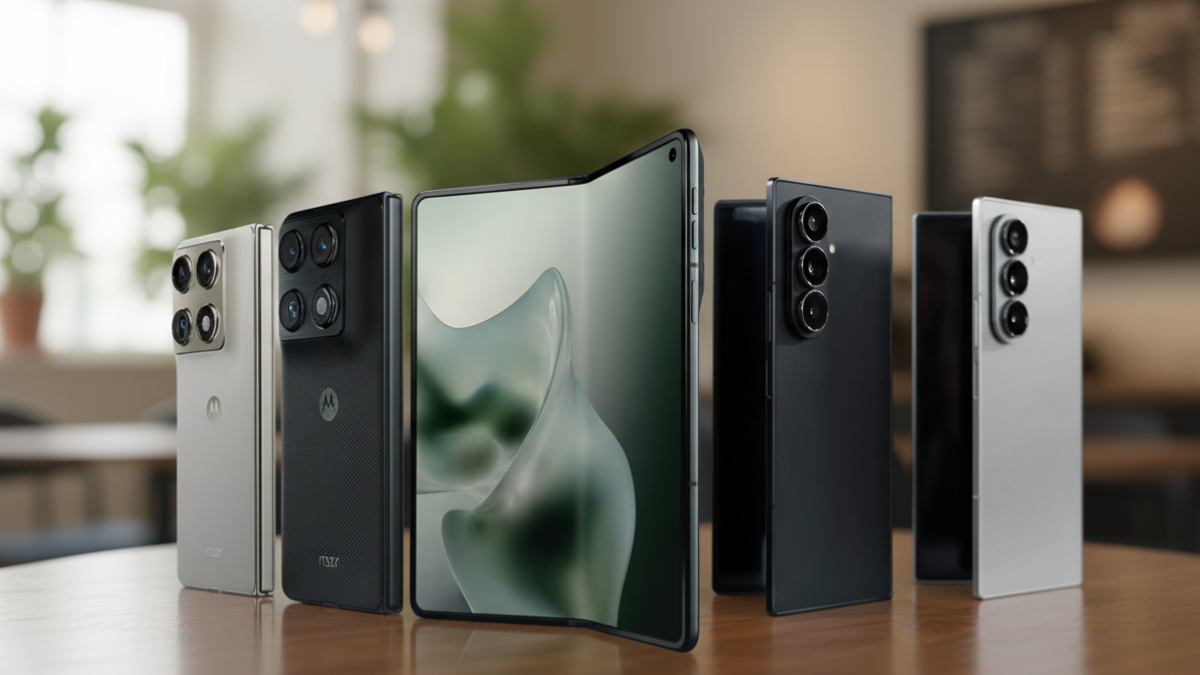
I’ve spent the last week with the Sony Xperia 1 VII and the Vivo X200 Pro. One of these phones uses the same motor technology we’ve seen for years, while the other feels like it’s reaching out from the future to tap your skin.
The Status Quo: Vivo X200 Pro and the LRA Limit
Let’s start with the Vivo X200 Pro. This is an absolute monster of a phone—the 200MP periscope lens alone is enough to make a DSLR owner sweat. For haptics, Vivo uses a high-end Linear Resonant Actuator (LRA).
In 90% of reviews, you’ll hear that the Vivo has “excellent, crisp haptics.” And they aren’t wrong. Compared to a cheap mid-range phone, the X200 Pro feels premium. When you type on the keyboard, there is a sharp, distinct “click” that doesn’t rattle the whole chassis.
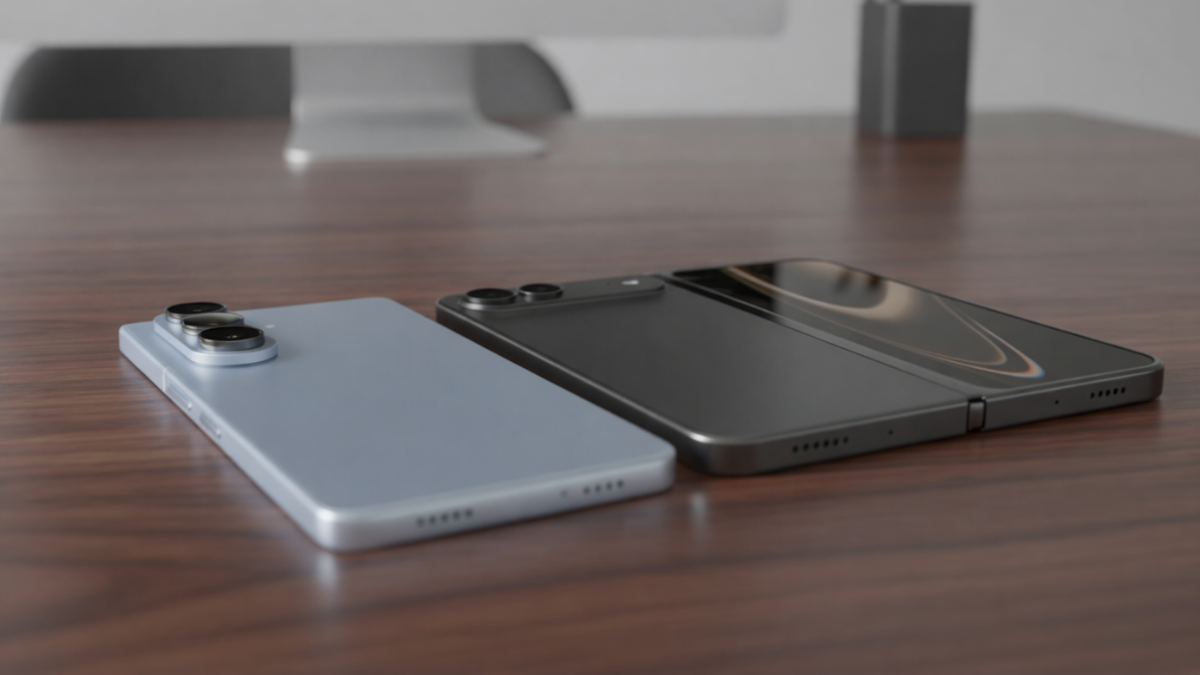
However, LRA technology is fundamentally mechanical. It relies on a magnet and a spring moving a mass back and forth. No matter how much you optimize the software, there is a “ramp-up” and “ramp-down” time. The vibration has to start, reach its peak, and then stop. This creates a tiny, almost imperceptible “blur” in the feedback. It’s a physical limitation of the spring-and-magnet system.
The Sony Revolution: Piezoelectric “Ghost” Haptics
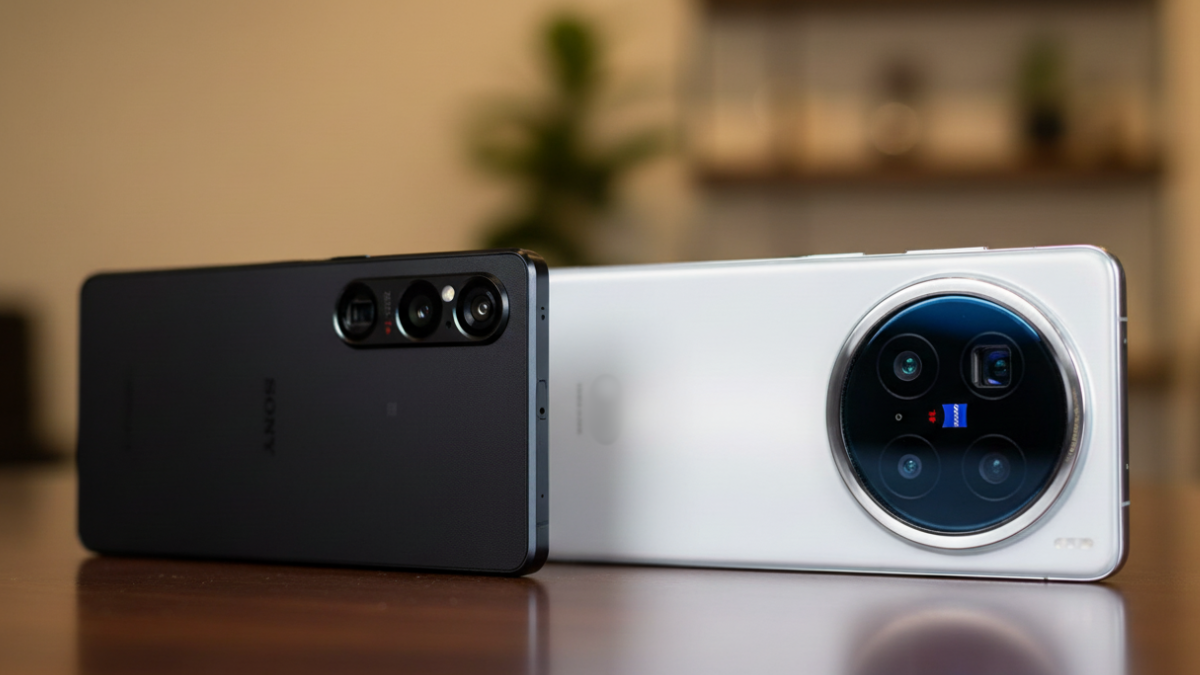
Sony has always been the “weird” kid in the smartphone world, keeping the 4K screens and headphone jacks alive. But with the Xperia 1 VII, they’ve done something truly disruptive. They have replaced the traditional LRA with a Piezoelectric Ceramic Actuator.
Unlike a motor that has to move a weight, a piezoelectric material simply changes shape instantly when electricity is applied. There is no “ramp-up.” There is no “ramp-down.” It is binary, surgical, and instantaneous.

Sony calls this the “Dynamic Vibration System 3.0,” and the difference is startling. When I first typed on the Xperia 1 VII, I actually looked at the back of the phone to see if there was a physical button clicking inside. The haptics don’t feel like they are coming from the center of the phone; they feel like they are coming from the exact millimeter of glass your finger is touching.
Gaming: The DualSense Edge in Your Pocket
The real “Torture Test” for haptics isn’t typing—it’s gaming. I loaded Call of Duty: Mobile (2026 Edition) on both devices to see how they handled the chaos.
- Vivo X200 Pro: When firing an automatic weapon, the phone vibrates in a steady, rhythmic pulse. It’s fine, but it’s “dumb” feedback. It’s just a buzz that matches the fire rate.
- Sony Xperia 1 VII: This is where Sony’s PlayStation DNA shines. Because the piezoelectric actuator is so fast, it can mimic textures. I could feel the difference between the “clunk” of a heavy sniper rifle and the high-frequency “zing” of a laser attachment. When my character walked through water, the haptics created a soft, wavy sensation that felt nothing like a standard vibration.
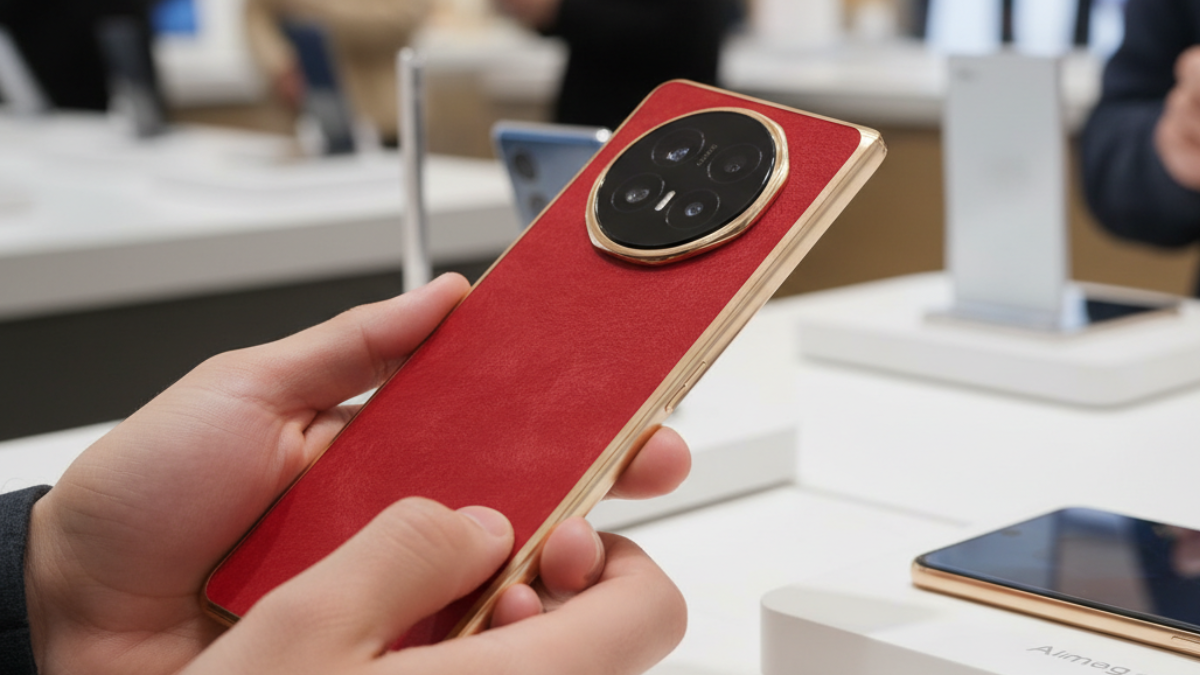
Sony has effectively put a PS5 DualSense controller inside a 197-gram smartphone.
The Tactile Benchmark Table
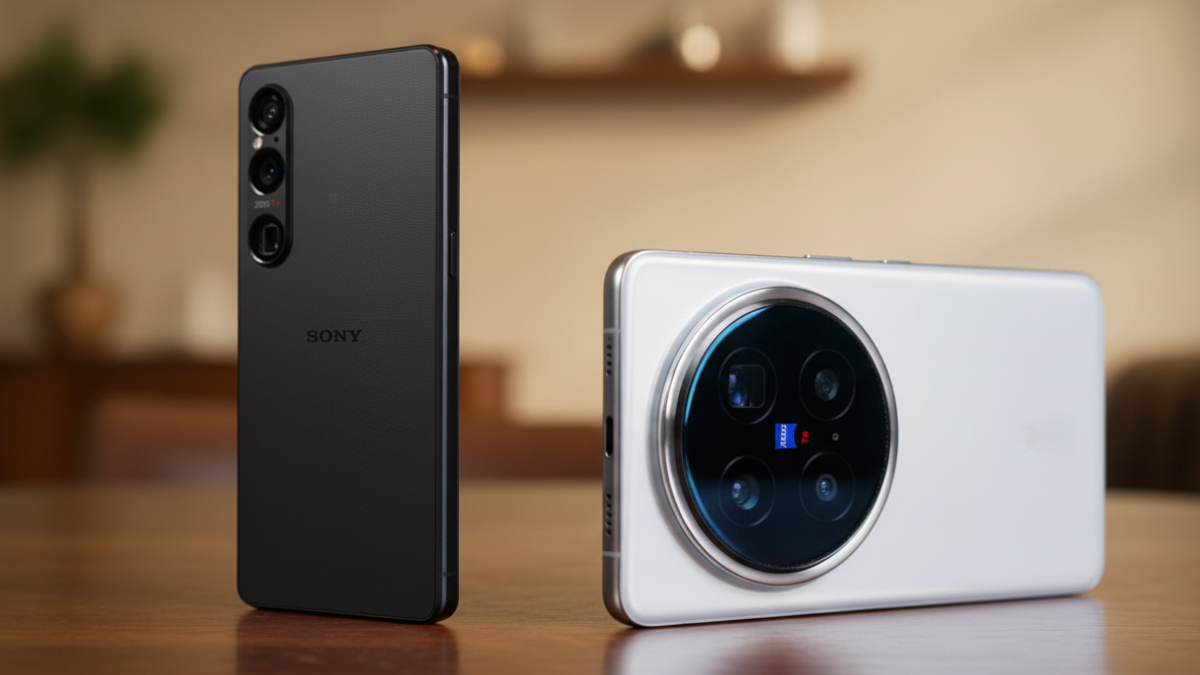
To give you a better look at the “hidden” specs that reviewers often ignore, check out this breakdown of the tactile experience:
| Feature | Sony Xperia 1 VII | Vivo X200 Pro |
| Actuator Type | Piezoelectric Ceramic | Linear Resonant (LRA) |
| Response Latency | < 1ms (Instant) | ~5-10ms (Standard) |
| Frequency Range | 10Hz – 1000Hz (Ultra-Wide) | 150Hz – 250Hz (Limited) |
| Texture Simulation | Yes (Can mimic grit/water/metal) | No (Vibration only) |
| Chassis Resonance | Zero (Localized to touch) | Moderate (Whole phone vibrates) |
| Audio Sync | Perfect (Haptic-Audio alignment) | Slight delay |
Why “Haptic-Audio” Alignment Matters
As a reviewer, I look for more than just a “strong” buzz. I look for Cohesion. Sony’s Xperia 1 VII uses its 3.5mm headphone jack and front-firing stereo speakers to create a unified sensory experience.
The phone’s AI analyzes the audio frequencies in real-time and translates them into piezoelectric movements. If a bass-heavy song is playing, the phone doesn’t just vibrate; the haptics “pulse” in a way that makes the air around the speakers feel thicker. It’s an immersive trick that Vivo, for all its camera prowess, simply cannot match.

The Vivo X200 Pro feels like a “Camera with a phone attached.” The Sony Xperia 1 VII feels like a “Sensory machine.”
Conclusion: The Luxury of Feeling
If you are a photographer, I will still tell you to buy the Vivo X200 Pro. Its 200MP sensor and Zeiss partnership are untouchable in March 2026. It is a tool for the eyes.
But if you are someone who appreciates the “Craftsmanship” of a device—the way the buttons feel, the way the interface responds to your touch, and the immersion of gaming—the Sony Xperia 1 VII is in a league of its own.
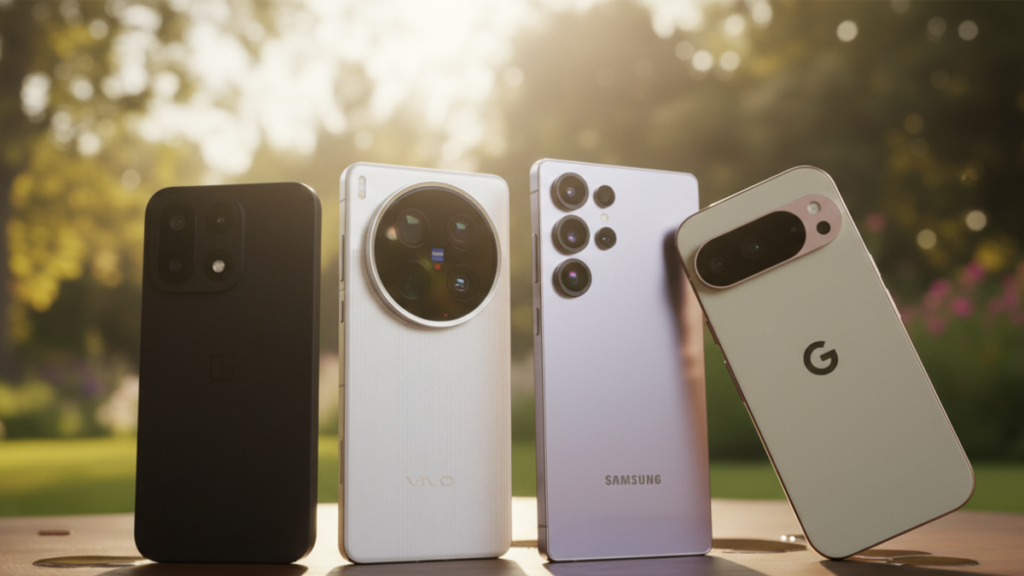
The move to piezoelectric haptics is the most underrated upgrade of the year. It makes the Vivo, and even the latest Samsung and Google flagships, feel like “toys” with old-fashioned vibrating motors. Sony has reminded us that a smartphone isn’t just a screen and a camera; it’s a physical object that we touch thousands of times a day. And in 2026, nobody makes that touch feel more like magic than Sony.
Ameer Hamza’s Pro-Tip:
To truly experience the Sony haptics, turn off “System Haptics” and turn on “Dynamic Vibration” in the media settings. It will drain your battery about 5% faster, but it turns every YouTube video and Netflix movie into a 4D experience. It’s worth every milliampere.