Everyone is talking about the Samsung Galaxy S26 Ultra’s Privacy Display. And it deserves the attention. But the feature that made me stop and rethink what a phone camera can do in 2026 is not about the screen. It is about what happens when you press record.

Why the Camera Story Is Bigger Than the Spec Sheet
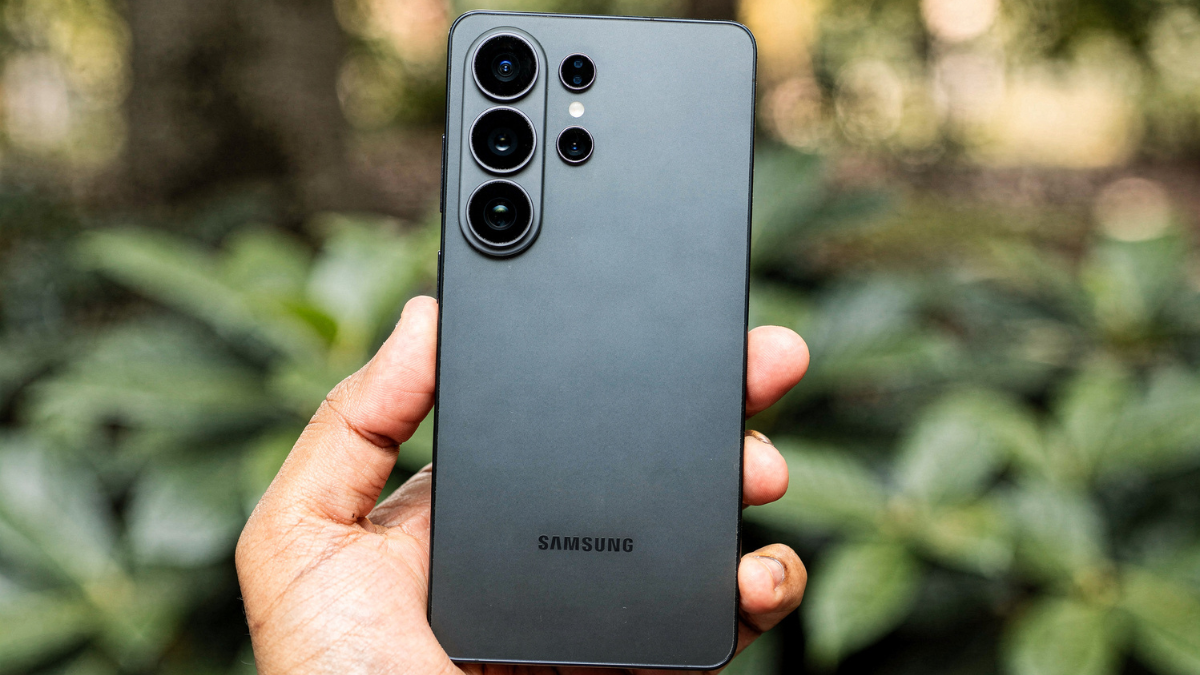
The Samsung Galaxy S26 Ultra offers a few hardware tweaks on the Galaxy S25 Ultra, like wider camera apertures on multiple lenses and a faster chipset, but it is not a total overhaul of the past model.
On paper, the camera sensors are mostly carried over. Still 200MP on the main shooter, 50MP ultrawide, 10MP 3x telephoto, and 50MP 5x periscope.
The real upgrades come in its suite of features, which include some brand new tools and other improvements on existing ones.
I am Ameer Hamza, and at Global Tech Press, I spent the last two weeks filming, editing, and stress testing the Samsung Galaxy S26 Ultra with one goal: figuring out whether the video improvements are real or just marketing. Here is what I found.
APV Codec: The First Phone to Shoot Visually Lossless Video
This is the headline feature for any creator picking up the Samsung Galaxy S26 Ultra in 2026.
Samsung has confirmed that the Galaxy S26 Ultra is the first phone to support the APV codec. This codec enables “visually lossless” video capture quality, even after repeated editing.
Let me break down what that means in plain language. Codecs compress and decompress video files for storage and sharing. With an HEVC codec, the system often removes very small visual details to reduce file size. As a result, fine elements like water droplets, splashes, or subtle textures in the image become blurred after rounds of encoding.
APV preserves more of the original information, which helps maintain delicate details such as water droplets, textures, and motion. APV codecs achieve visually lossless quality even when subjected to repeated editing.
In practical terms, Samsung noted in a media briefing that the Galaxy S26 Ultra supports the APV codec at up to 8K/30fps capture. APV can be used for HDR and Log video. The new codec also lets you switch between two quality profiles, namely APV 422 HQ (high quality) and APV 422 LQ (low quality).
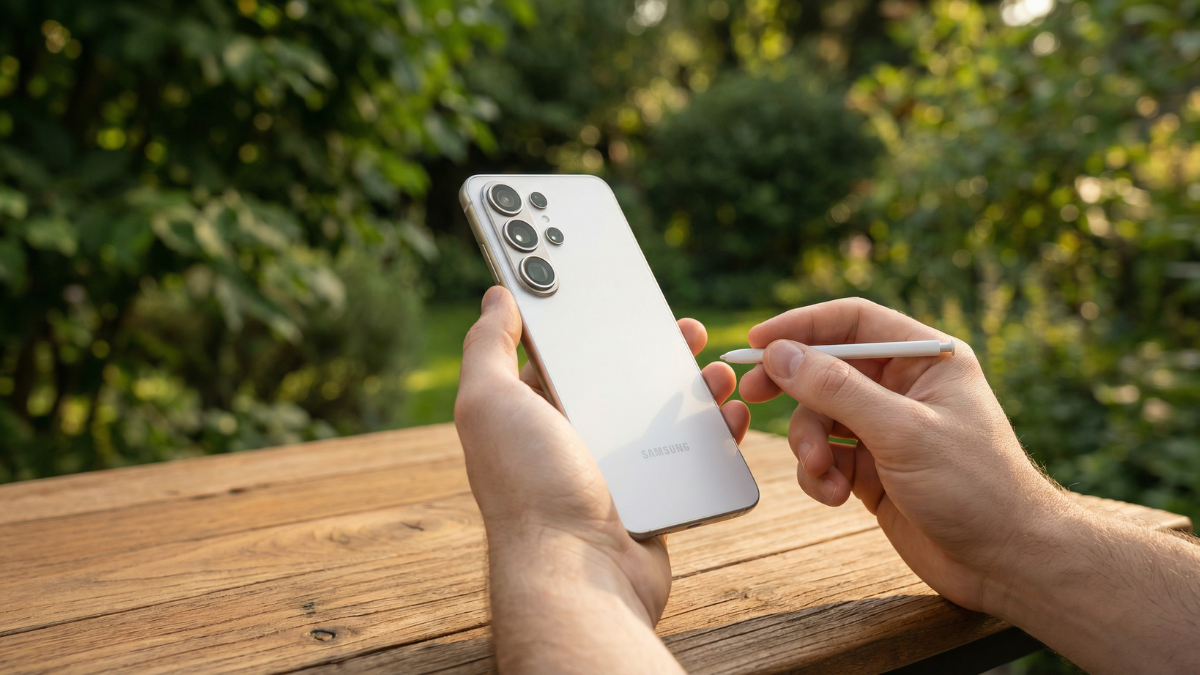
Now, here is the part that matters for everyday creators. Recording 1080p/30fps video capture with the HQ profile consumes roughly 1.5GB per minute. Meanwhile, 1080p/30fps video capture via the LQ profile consumes roughly 750MB per minute.
Those are big files. But Samsung planned for that. You can record APV footage directly to external storage if you are worried about filling up your phone’s internal storage.
Samsung developed its Advanced Professional Video (APV) codec in collaboration with Qualcomm Technologies, Inc. as an open standard for professional video creation so the technology could be available to as many users as possible.
In terms of performance, APV is said to surpass Apple’s ProRes video recording codec. Compared to ProRes, APV can take 20% less storage space while still maintaining lossless quality footage and supporting LOG and HDR video.
And the editing ecosystem is already here. The codec is already supported by widely used video editing software suites such as DaVinci Resolve and LumaFusion, making it easier for creators to integrate high quality smartphone footage into professional workflows.
This is the kind of feature that does not matter for casual users. But for anyone shooting content for YouTube, social media, or short films, the Samsung Galaxy S26 Ultra just became the first Android phone where the video codec is no longer a compromise.
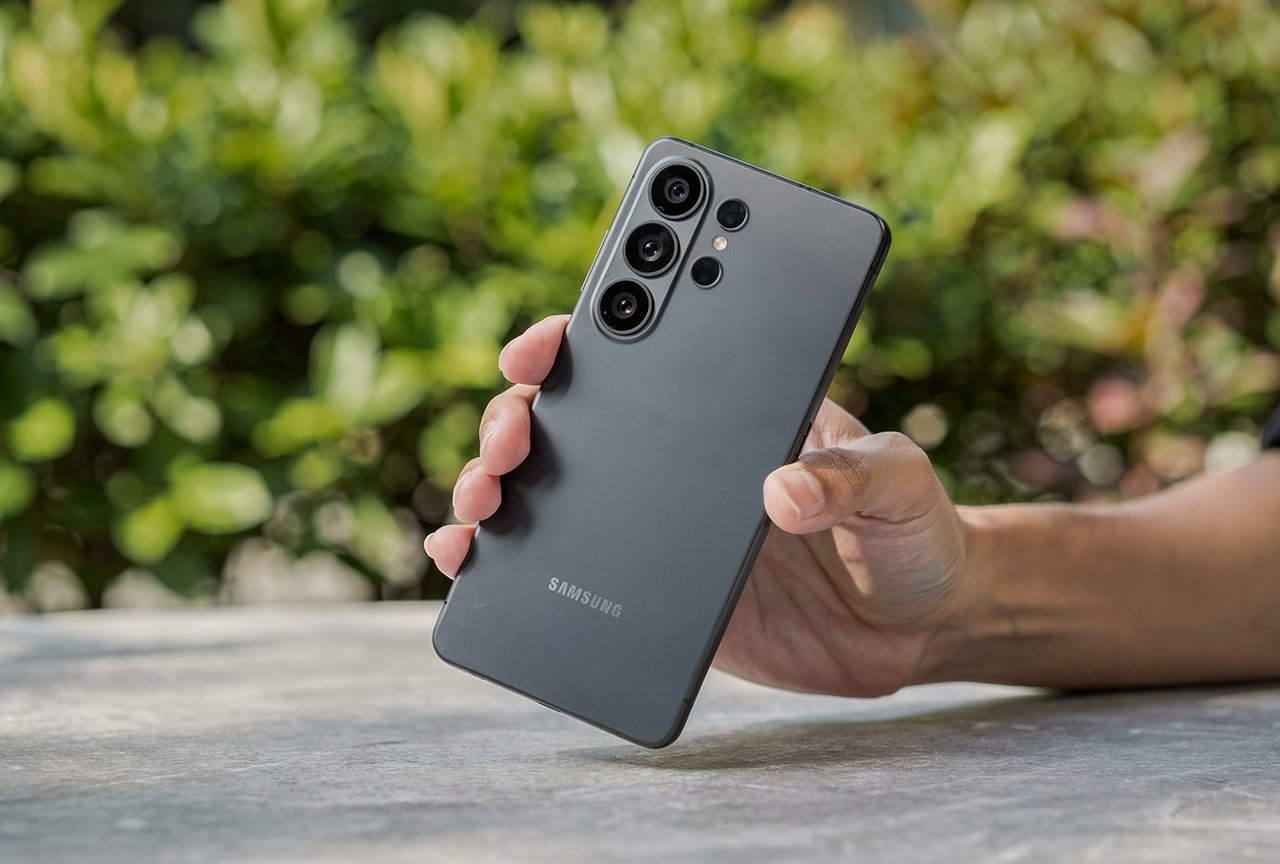
Horizon Lock: A Digital Gimbal Inside Your Phone
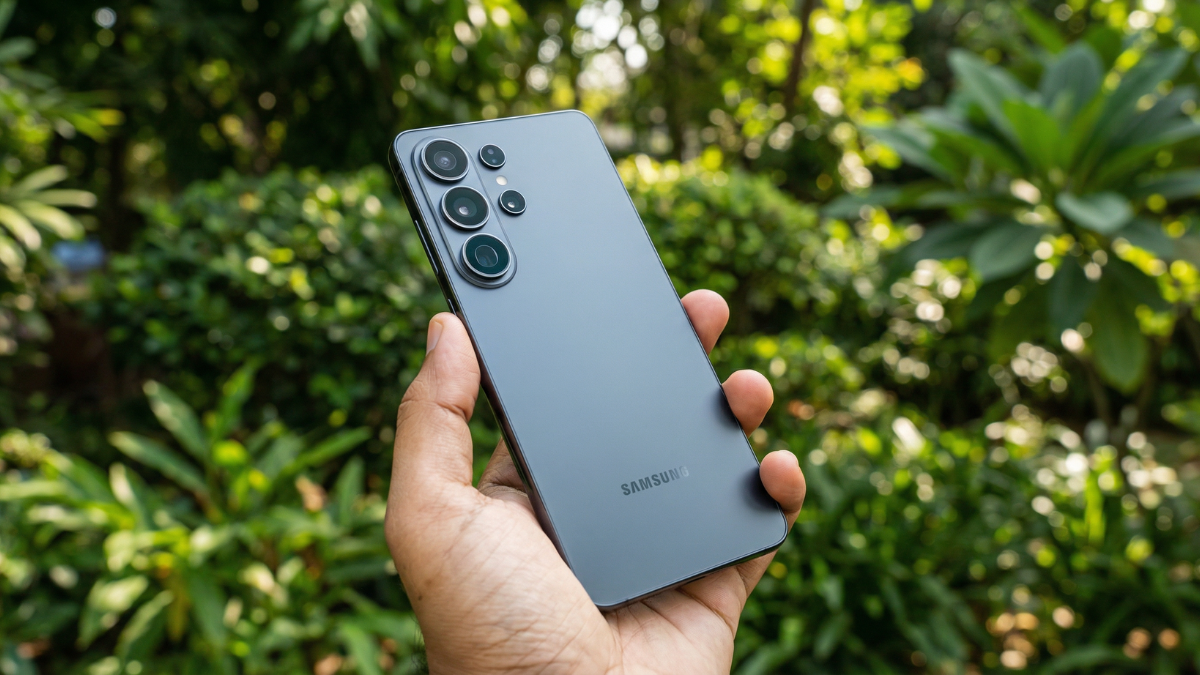
This is the feature that made me put down my gimbal and not pick it up again.
Samsung is seemingly ready to break the laws of physics with its new Horizon Lock feature on the Galaxy S26 Ultra. This new feature, Samsung says, is capable of keeping video stable even if you rotate the phone 360 degrees.
I tested this extensively. Essentially a stabilization feature found within the Samsung Camera app’s Super Steady, Horizon Lock is a software powered feature that mimics the hardware leveling of a gimbal. It is available across the S26 range, but in my experience, it works the best on the top of the line S26 Ultra.
The reason it works better on the Ultra comes down to sensor size. On the S26 Ultra, the feature gets a bigger canvas to crop out a stable video from. This essentially means that the video output gets spare pixels as a sort of safety margin, which is like looking through a small window that is fitted inside a bigger window. As long as the smaller window’s movement does not cross the larger window’s boundaries, the device can shift and rotate the video frame in real time.
Samsung says this works all the way up to 4K resolution, which is a massive step up from previous stabilization efforts that often capped out at 1080p.
But there are real limitations to know about. In low light scenarios, the feature sometimes simply refuses to work. If it does work, it often introduces noticeable artifacts and noise.
Regardless, in good lighting conditions, the feature essentially replaces a $150 to $200 phone gimbal, which is big for those trying to get into action vlogging.
Samsung confirmed the tech behind it. Samsung says this is possible in part thanks to the new image signal processor (ISP) in use on this device. Galaxy SuperSteady Mode will add the data from the gyroscope and accelerometer into its calculations to better inform the video you are trying to record and keep the horizon locked in place.
Audio Eraser on Netflix, YouTube, and Third Party Apps
Here is the feature that took me completely by surprise on the Samsung Galaxy S26 Ultra.
In the Samsung Galaxy S26 phones, Audio Eraser has seen a massive improvement: Audio Eraser now works on third party apps including Instagram, YouTube, and Netflix.
This is not post recording editing. This is real time audio adjustment while you watch.
Google’s Pixel phones had a head start with Audio Eraser, but Samsung is finally giving us something better. Instead of cleaning up audio after you record a video, One UI 8.5 lets you fix the sound while you are watching it.
Simply swipe down on the status bar while watching your favorite livestream and tap the Audio Eraser quick toggle. The implementation is great, as it does not force you to leave your streaming app before you can turn Audio Eraser on.
Tap it while a video is playing and you get simple, clear controls. There is a Voice Focus toggle and a strength slider for noise removal. You slide it up and the crowd noise from the video fades in real time.
For example, if you are watching sports on your phone and can barely hear the commentators because of the crowd, you can use Audio Eraser to silence the chants and cheers.
Samsung says processing happens on the phone, not in the cloud. The Snapdragon 8 Elite Gen 5 handles the AI model locally, so it works without an internet connection and preserves your privacy.
One honest note. Audio Eraser is not perfect in this regard, especially when Voice Focus is enabled. Yes, it gives voices a nice boost and makes them much easier to hear, but sometimes the voices can get muddied as the AI tries to keep up.
Still, this feature may also be a great accessibility tool, helpful for people who are hard of hearing.
The f/1.4 Camera: 47% More Light Where It Matters Most
The lens change on the Samsung Galaxy S26 Ultra is the most meaningful hardware camera upgrade Samsung has made in at least two years.
The main 200MP shooter now has a wider f/1.4 aperture, much wider than the f/1.7 on the previous generation. The 50MP 5x telephoto camera also gets a wider aperture and is now f/2.9, up from f/3.4. As a result, Samsung claims the main shooter is 47% brighter, while the telephoto snapper is 37% brighter.
Lab testing confirmed the results. One of the S26 Ultra’s standout improvements over its predecessors is its low light performance. The new camera features a faster aperture alongside refined image processing, resulting in significantly improved low light scores for both photo and video, and a noticeable step forward from the previous generation.
In the real world, the new f/1.4 aperture on the main camera not only allows better low light photos, especially when compared to phones like the iPhone 17 Pro Max or the Galaxy S25 Ultra from last year, but it also allows the camera to adjust how the rest of the system behaves. Because the camera can take in more light, the shutter speed and ISO can be adjusted accordingly.
The f/1.4 aperture on the main sensor is legitimately useful. Low light performance got noticeably better, with improved detail, lower noise, and more stable color. White balance improved across the board alongside color accuracy in portraits.
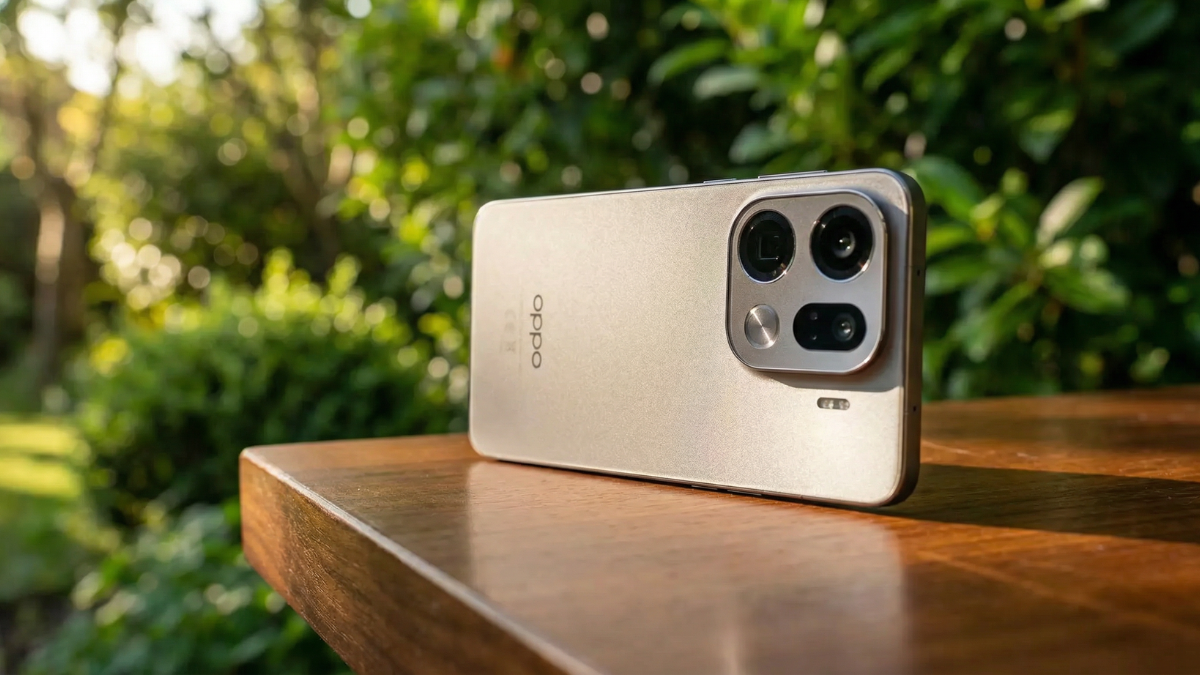
However, the S26 Ultra still trails the iPhone 17 Pro in challenging low light scenes. In DXOMARK’s comparisons, Samsung’s device showed more visible luminance noise and slightly less detail in portraits captured in dim environments.
The Samsung Galaxy S26 Ultra scored 157 points on the DXOMARK camera test. The top four right now are the iPhone 17 Pro at 168, the OPPO Find X8 Ultra at 168, the vivo X300 Pro at 171, and the Huawei Pura 80 Ultra at 175.
So the S26 Ultra is not the best camera phone in the world by scoring. But it is the most versatile video phone available in the US, UK, Canada, and Australia when you combine APV, Horizon Lock, Audio Eraser, and the f/1.4 aperture into one package.
Full Spec Sheet
| Spec | Samsung Galaxy S26 Ultra |
|---|---|
| Display | 6.9 inch Dynamic AMOLED 2X, QHD+ (3,120 x 1,440), LTPO 1Hz to 120Hz, HDR10+ |
| Processor | Snapdragon 8 Elite Gen 5 for Galaxy (worldwide) |
| RAM | 12GB (16GB on 1TB model) |
| Storage | 256GB / 512GB / 1TB |
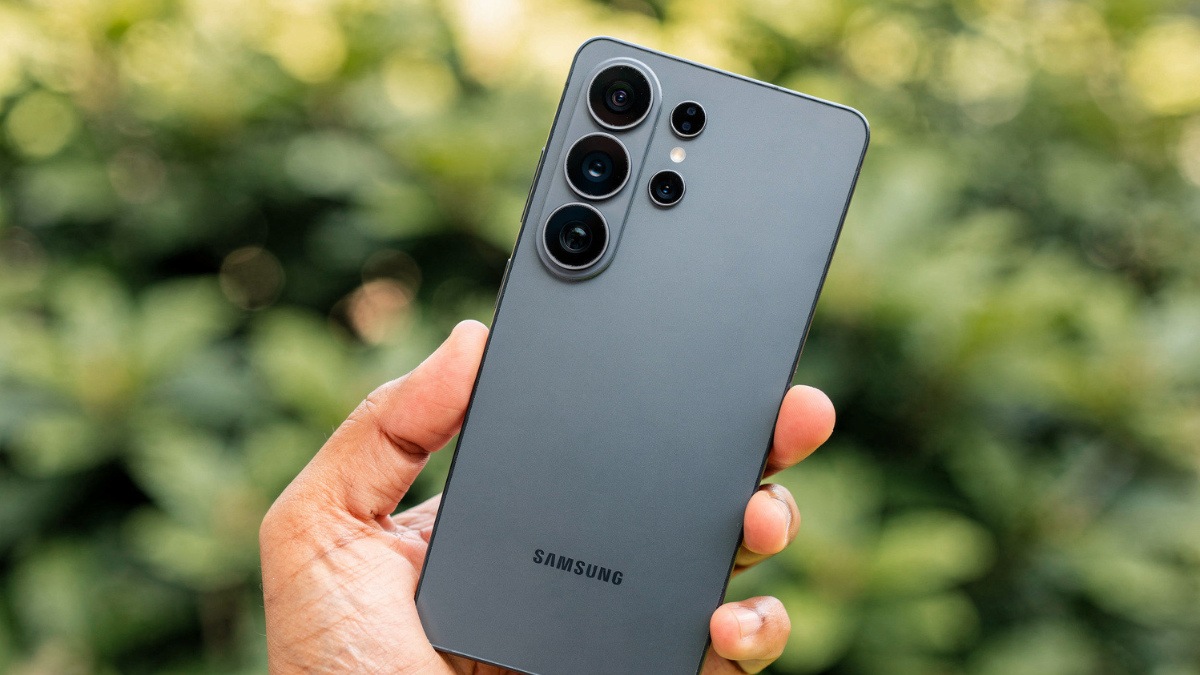
| Rear Camera | 200MP f/1.4 main, 50MP f/1.9 ultrawide (120 degree FoV), 10MP f/2.4 3x telephoto, 50MP f/2.9 5x ALoP periscope |
| Front Camera | 12MP |
| Battery | 5,000 mAh |
| Wired Charging | 60W (works with 3A cables) |
| Wireless Charging | 25W Qi 2.2 |
| Body | Armor Aluminum 2, Corning Gorilla Armor 2 (front and back) |
| Dimensions | 163.6 x 78.1 x 7.9 mm, 214 grams |
| Software | Android 16, One UI 8.5, 7 years of updates |
| S Pen | Embedded (S26 Ultra exclusive) |
| Colors | Black, Cobalt Violet, Sky Blue, White + Samsung.com exclusives: Silver Shadow, Pink Gold |
| Video | APV codec (8K/30fps), Horizon Lock, Super Steady, Nightography |
| Price | $1,299 (256GB), $1,499 (512GB), $1,799 (1TB) |
| Announced | February 25, 2026 |
| Released | March 11, 2026 |
Who Is This Phone Actually For?
After two weeks of testing, here is my honest breakdown.
Buy the Samsung Galaxy S26 Ultra if you create content for a living or as a serious hobby. The combination of APV codec, Horizon Lock, f/1.4 low light performance, and Audio Eraser on third party apps makes this the most complete mobile video kit available right now in one device. No other Android phone in the US, UK, Canada, or Australia offers all four of these features together.
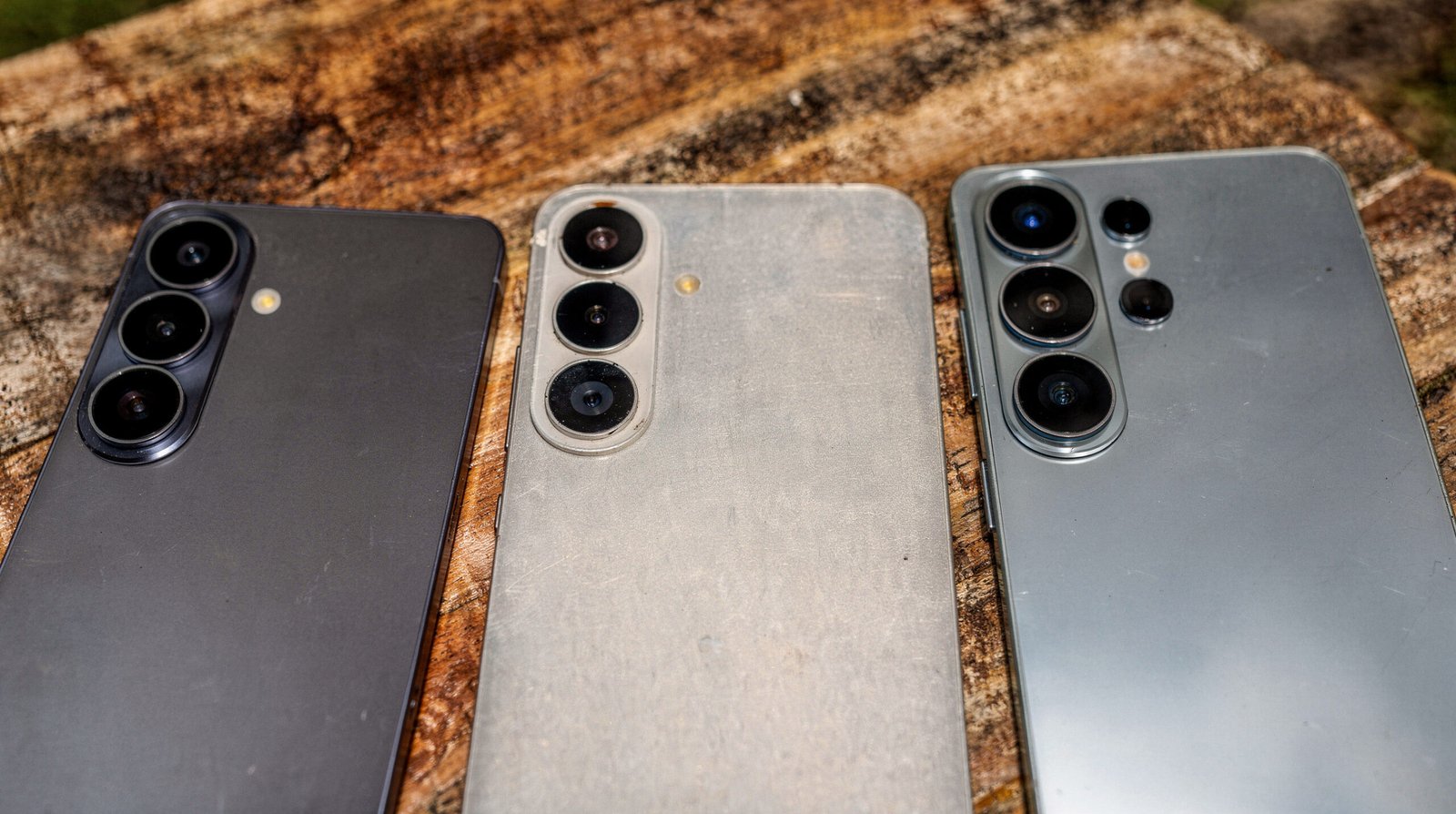
Skip it if you are upgrading from an S25 Ultra and primarily use your phone for photos, social media, and everyday tasks. The Galaxy S26 Ultra’s camera has not moved beyond what the S24 and S25 Ultra’s cameras offered in fundamental quality. The improvements are real, but they are refinements, not reinventions.
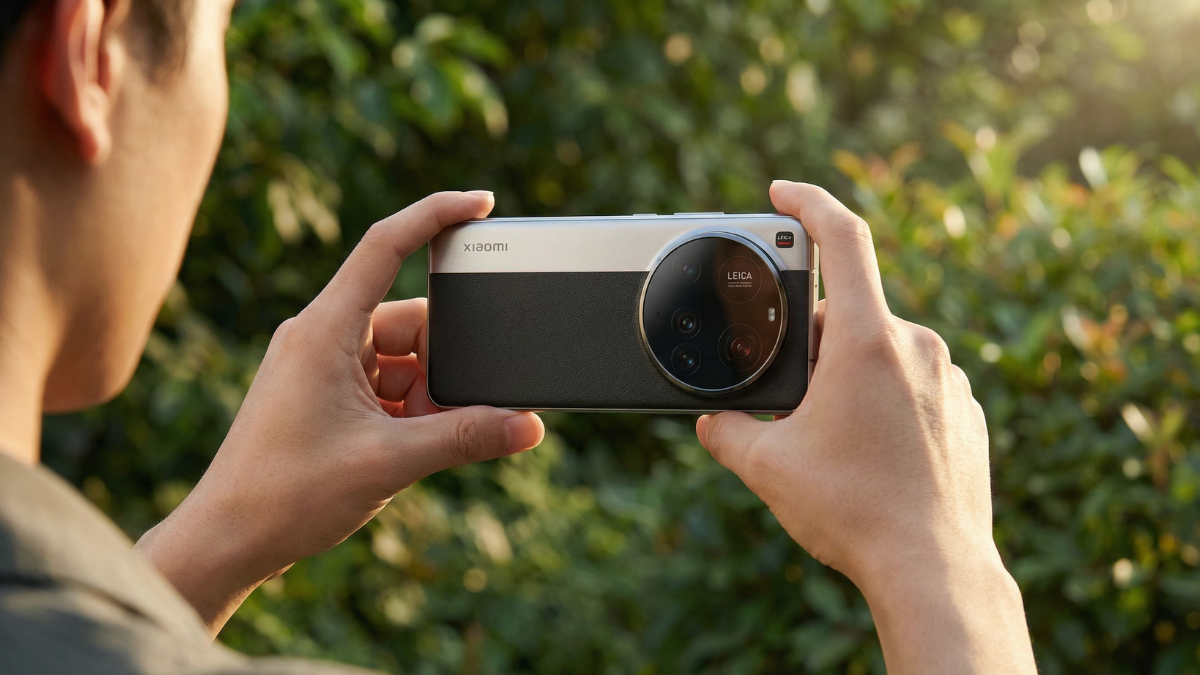
Also consider the Xiaomi 17 Ultra if you are in a market where it is available. The S26 Ultra captures a shallower depth of field with its faster f/1.4 lens and should do a fine job in low light, even if it cannot match the 1 inch sensor size of the new Xiaomi 17 Ultra.
What Samsung Built Here and Why It Matters
The Samsung Galaxy S26 Ultra is not the most radical upgrade Samsung has ever shipped. The design is nearly identical to last year. The battery is still 5,000 mAh. The display, aside from Privacy Display, carries the same panel specs.
But what Samsung did on the video side in 2026 is something no other phone maker in the Western market has matched.
They brought a professional grade, royalty free video codec to a phone for the first time. They built a digital gimbal into the camera software that keeps footage level through a 360 degree rotation. They extended Audio Eraser to work in real time across Netflix, YouTube, Instagram, TikTok, and Prime Video. And they widened the main lens to f/1.4, pulling in 47% more light for everything you shoot after sunset.
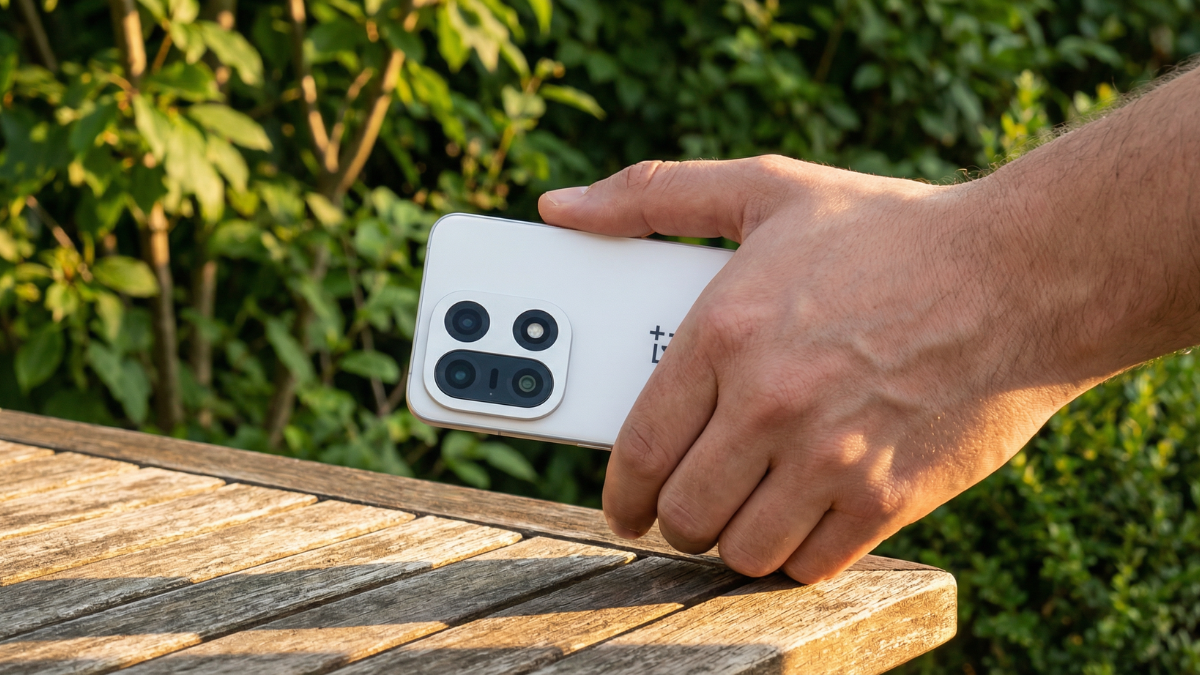
None of these features alone would define a phone. But together, they make the Samsung Galaxy S26 Ultra the first smartphone that can genuinely replace a separate gimbal, a professional codec workflow, and a dedicated audio cleanup tool, all in one device that fits in your pocket.
That is not a spec sheet upgrade. That is a shift in what a phone camera is capable of.

Written by Ameer Hamza
Tech Analyst and Founder of Global Tech Press. Currently expanding the GTP hardware testing labs and building the next generation of digital tech media.