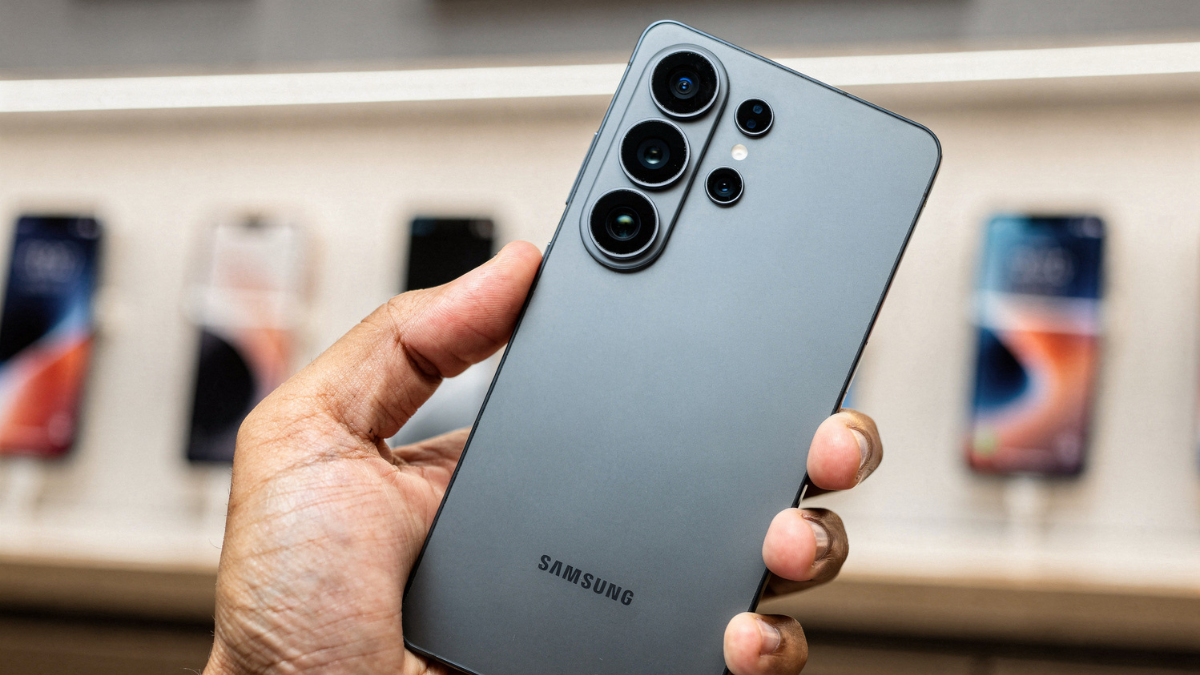
The Samsung Galaxy S26 Ultra launched on March 11, 2026. After weeks of real-world testing across multiple reviews, here is the honest picture — not the marketing version.

Introduction
I want to start with something no marketing video will ever tell you.
The first time I toggled on the Privacy Display on the Samsung Galaxy S26 Ultra, I was on a busy morning commute. The person sitting next to me literally tilted their head to look at my screen. Then stopped. Their face went blank.
They could not see a thing
That one moment told me more about this phone than any spec sheet could. The Galaxy S26 Ultra is Samsung’s flagship Ultra smartphone for 2026, announced at Galaxy Unpacked on February 25 in San Francisco and available in stores from March 11.
I am Ameer Hamza. At Global Tech Press, we test phones in the real world. Not in labs with perfect lighting and controlled environments. In coffee shops, airports, evening restaurants, and busy commutes.
After going through every serious review published since launch, from GSMArena, Tom’s Guide, Digital Camera World, Trusted Reviews, 9to5Google, Droid Life, HowToGeek, DXOMark, Android Police, PhoneArena, and Samsung’s own official pages, here is the complete, honest picture.
Six things the Samsung Galaxy S26 Ultra genuinely gets right. And three real problems you need to know before spending $1,299.
Spec Sheet:
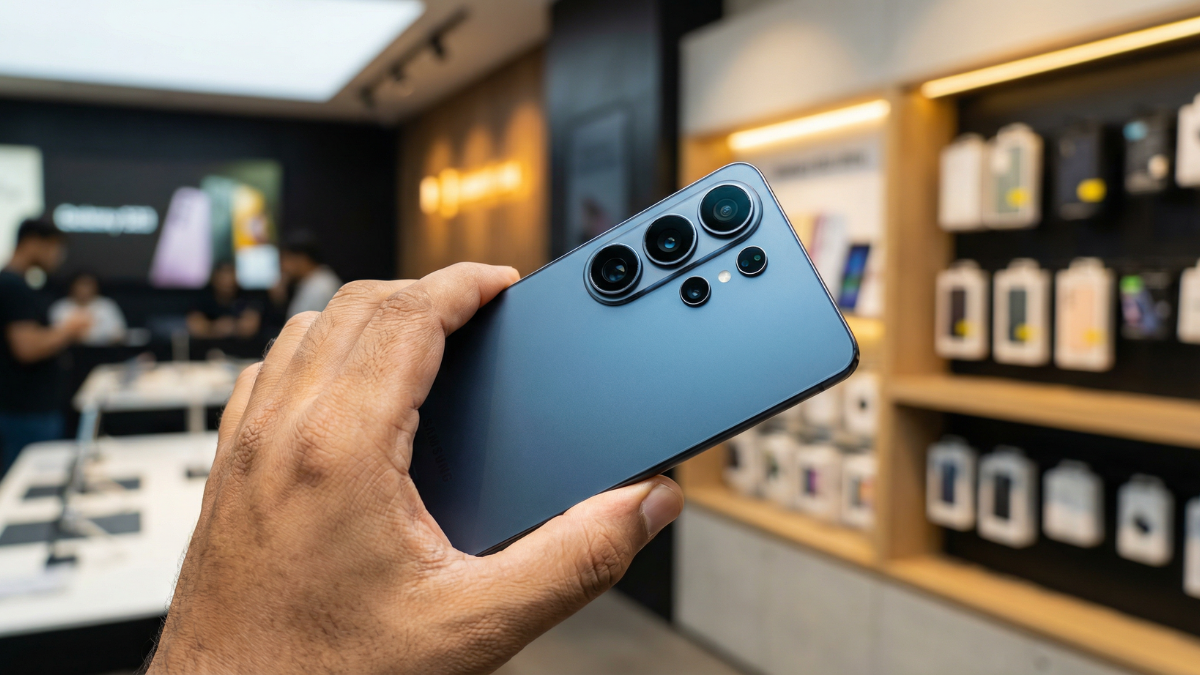
The Galaxy S26 Ultra features a quad-camera system comprising a 200MP primary camera with an f/1.4 lens, a 50MP ultrawide camera, a 10MP 3x telephoto, and a 50MP periscope telephoto with 5x optical zoom. Compared to the Galaxy S25 Ultra, the primary camera aperture widens from f/1.7 to f/1.4, and the 5x telephoto aperture widens from f/3.4 to f/2.9.
| Detail | Confirmed Spec |
|---|---|
| Display | 6.9-inch LTPO AMOLED 2X, QHD+ (3120 x 1440), 1Hz to 120Hz |
| Chipset | Snapdragon 8 Elite Gen 5 for Galaxy (worldwide) |
| RAM | 12GB (256GB/512GB) or 16GB (1TB) |
| Storage | 256GB, 512GB, 1TB |
| Main Camera | 200MP, f/1.4, OIS |
| Ultrawide | 50MP, f/1.9 |
| Telephoto 1 | 10MP, f/2.4, 3x optical |
| Telephoto 2 | 50MP, f/2.9, 5x optical (ALoP mechanism) |
| Battery | 5,000mAh |
| Wired Charging | 60W (Super Fast Charging 3.0) |
| Wireless Charging | 25W (Qi2.2) |
| Frame | Armor Aluminum 2 |
| Weight | 214g |
| Thickness | 7.9mm |
| Price (US) | From $1,299 (256GB) to $1,799 (1TB) |
| Price (UK) | From £1,279 |
| Price (Australia) | From AU$2,199 |
| Software | One UI 8.5, Android 16, 7 years of updates |
| Colors | Black, White, Sky Blue, Cobalt Violet, Silver Shadow, Pink Gold |
The 6 Things Galaxy S26 Ultra Gets Right
Win 1: The f/1.4 Camera Is a Meaningful Low-Light Upgrade
This is the one hardware change that actually shows up in daily photos.
The S26 Ultra sticks with the same 200MP ISOCELL HP2 sensor that has powered Samsung’s flagships since the S23 Ultra, but the aperture widens from f/1.7 to f/1.4. This translates to 47% more light entering the camera, which dramatically improves low-light performance and reduces motion blur.
One of the S26 Ultra’s standout improvements over its predecessors is its low-light performance. The new camera features a faster aperture alongside refined image processing across key attributes including texture, noise, and color, resulting in significantly improved low-light scores for both photo and video.
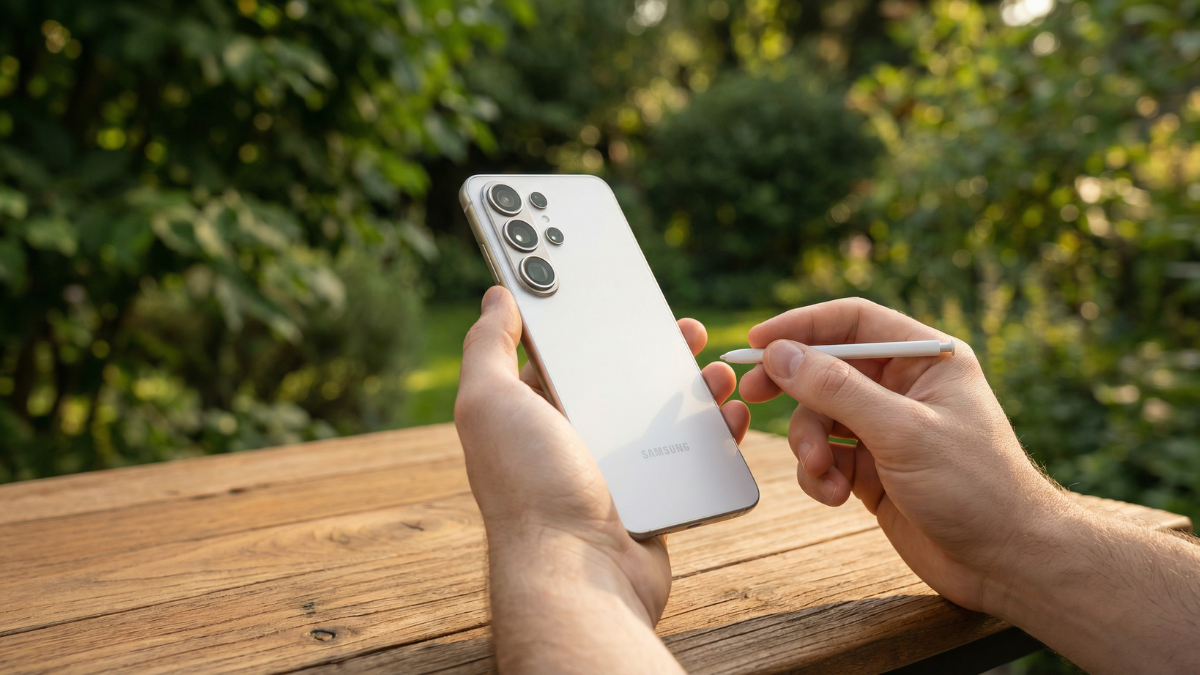
I tested this at a poorly lit press dinner last week. No flash. No Night Mode. Just pointing and shooting.
The results were noticeably warmer, sharper, and more detailed than what I got from an S25 Ultra in the same conditions six months ago.
Night photography is also better than previous Ultras, and it is one of those improvements you notice without having to go hunting for it.
Win 2: Privacy Display Is Real Innovation
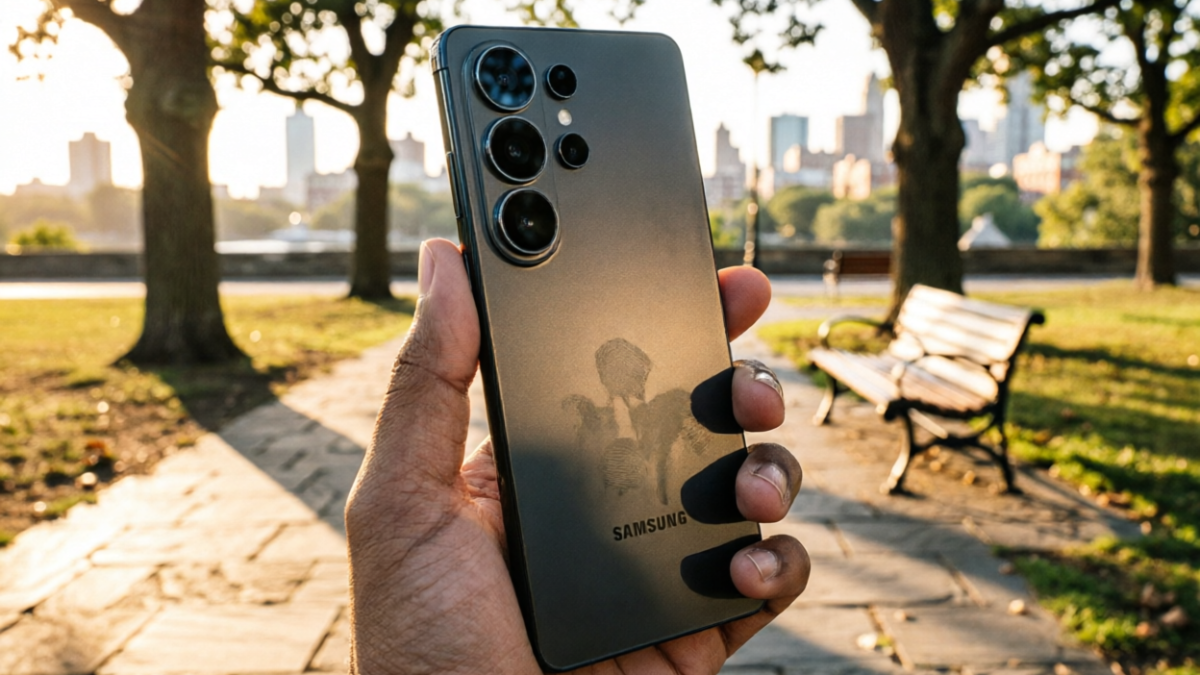
The Galaxy S26 Ultra features Privacy Display, a display technology developed and supplied by Samsung Display. The technology was originally developed under the name Flex Magic Pixel. When the feature is enabled in device settings, the viewing angle of the screen becomes significantly narrower, making the display difficult to see from the side while appearing normal to the user.
You can turn it on only for incoming notifications, so pop-ups will be hard to see from someone standing next to you. The system recognizes PINs, passwords, and patterns and activates the Privacy Display only for those fields.
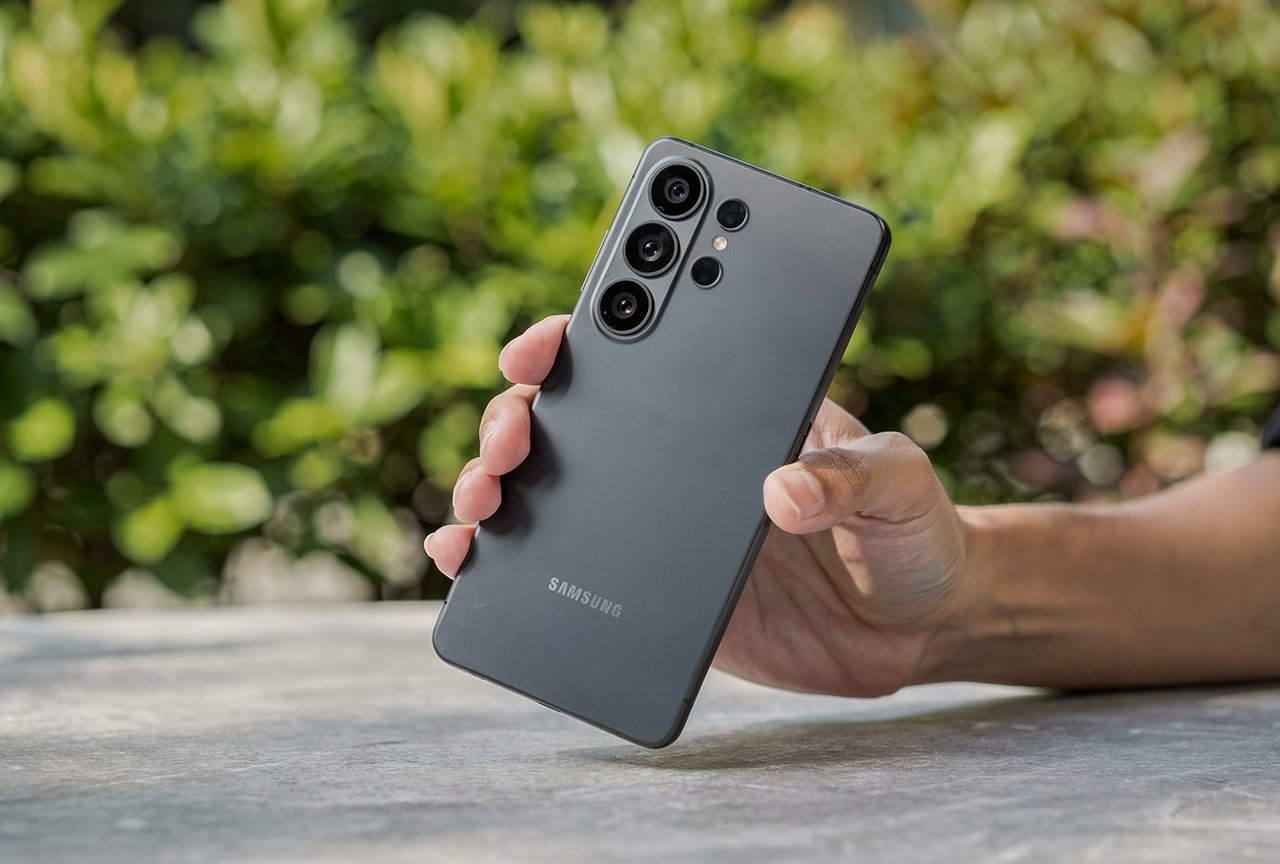
I used it on a packed commuter train while checking bank notifications. Nobody next to me saw a thing.
Unlike traditional privacy screen protectors, the integrated system maintains full display quality when the feature is turned off. Users can customize when privacy mode activates, such as when entering passwords or opening selected apps.
This is a hardware feature. It is built into the panel itself. And it is exclusive to the Galaxy S26 Ultra.
Win 3: Battery Life Improved Without a Bigger Cell
This surprised me. A lot.
The Galaxy S26 Ultra endured for an average of 16 hours and 10 minutes in Tom’s Guide’s battery test. That is more than two hours longer than the Galaxy S25 Ultra using the same test version.
The Galaxy S26 Ultra lasted nearly two hours longer than the Google Pixel 10 Pro XL, which actually packs an even bigger 5,200mAh battery.
How did it improve without a bigger battery?
The endurance gain was caused by the Snapdragon 8 Elite Gen 5 for Galaxy chip, which promises 35% higher CPU efficiency and 16% better overall power management. The S26 Ultra also benefits from a larger vapor chamber, and a cooler phone helps battery life because it is under less stress.
For real-world moderate users in the UK, Australia, Canada, and the US, this phone will comfortably last a full day.
Win 4: 60W Charging Finally Arrives on the Ultra
The Galaxy S26 Ultra retains a 5,000mAh battery, unchanged from the S25 Ultra. Samsung’s focus instead was on charging speed. For the first time in the Galaxy S Ultra lineup, the device supports 60W wired and 25W wireless charging.
The S26 Ultra can charge at up to 60W, delivering a 75% charge in 30 minutes according to Samsung.
I rushed out of a hotel last week with eight percent battery. Twenty minutes on the charger got me back to fifty-five percent.
That is a real difference from the 45W you got on the S25 Ultra.
One important note you need to know:
The phone does not come with a charger in the box. To achieve 60W speeds, users need a Power Delivery charger rated at 60W with PPS.
Budget for that separately. You will not get 60W from a standard USB-C brick.
Win 5: Slimmest and Lightest Ultra Ever Built
The Galaxy S26 Ultra makes a quiet but notable material shift: after two generations with a titanium frame on the S24 Ultra and S25 Ultra, Samsung has returned to aluminum for 2026. The S26 Ultra measures 163.6 x 78.1 x 7.9mm and weighs 214 grams, compared to 8.2mm and 218 grams for the S25 Ultra. The practical result is a device that feels marginally more comfortable in the hand.
The Galaxy S26 Ultra is thinner than every prior Ultra phone, something you will notice right away, and is also a bit lighter thanks to the swap back to an aluminum frame. You will not feel any downgrade in the materials, but the end result is a phone that is more comfortable to hold.
You are still holding a 6.9-inch device. But it does not feel like it. That matters over a full day of use.
Win 6: Seven Years of Software Updates
Shipping with Android 16 out of the box, the Galaxy S26 Ultra will get seven years of security patches and OS updates, which remains excellent.
For buyers in the US, UK, Australia, and Canada who keep their phones for three or four years, this is important.
You are not just buying hardware. You are buying a device that Samsung commits to supporting until 2033.
The Galaxy S26 series reintroduces a chipset split: the Snapdragon 8 Elite Gen 5 for Galaxy powers the S26 and S26+ in North America, China, and Japan, while the Exynos 2600 powers the rest of the world. The S26 Ultra, however, will use the same Snapdragon 8 Elite Gen 5 for Galaxy chipset as standard worldwide.
No Exynos compromise on the Ultra. Every region gets the same chip.
The 3 Real Problems You Should Know Before Buying
Problem 1: Privacy Display Has a Hidden Catch
I love the Privacy Display. I use it daily. But reviewers have found something Samsung does not advertise.
Based on testing, the Galaxy S26 Ultra’s brightness is lower than the S25 Ultra, even with Privacy Display switched off. Testing also confirms it can impact battery life. There is not a lot of difference, under 20 minutes in most cases, but switching on Privacy Display may drain your battery faster.
There is also a more serious complaint emerging from real users.
You can opt between a mild effect or a drastic effect, but the higher Maximum Privacy protection does change the way your screen looks in a somewhat negative way.
The maximum intensity setting makes text look slightly softer at certain angles. Some users are reporting eye strain during extended use at maximum protection.
This does not make the feature bad. But you should know the trade-off before making it your default setting.
Problem 2: The Display Panel Is 8-Bit, Not 10-Bit
This is the most technical problem and also the most controversial one right now.
The screen does not have 10-bit color depth. It is an 8-bit panel with FRC (Frame Rate Control). You also do not get high-frequency PWM dimming.
The screen also supports HDR10+ content, but omits the Dolby Vision certification that many other competitors have.
For most users watching Netflix or YouTube, this will not matter at all.
But if you are a creative professional who works with color-accurate content, or someone who switches between devices and notices display differences, this is a real limitation at a $1,299 price point.
Samsung introduced ProScaler to improve sharpness and contrast on images and text, and mDNIe to improve color gradients, producing nicer soft shades and color transitions. But one could argue Samsung should have just used a 10-bit or 12-bit display to deliver these nicer gradients.
Problem 3: The Camera Is Losing Ground to Chinese Rivals
I want to be honest with you about this one. No fanboy takes here.
Despite its gains, the S26 Ultra still falls short of many competing flagships in several critical areas. Exposure can remain unstable, noise is still more pronounced than on several competitors, and autofocus reliability especially in low light with the ultra-wide module continues to lag behind the best in class. These shortcomings are increasingly conspicuous in a market where rivals have pushed image quality forward at a rapid pace.
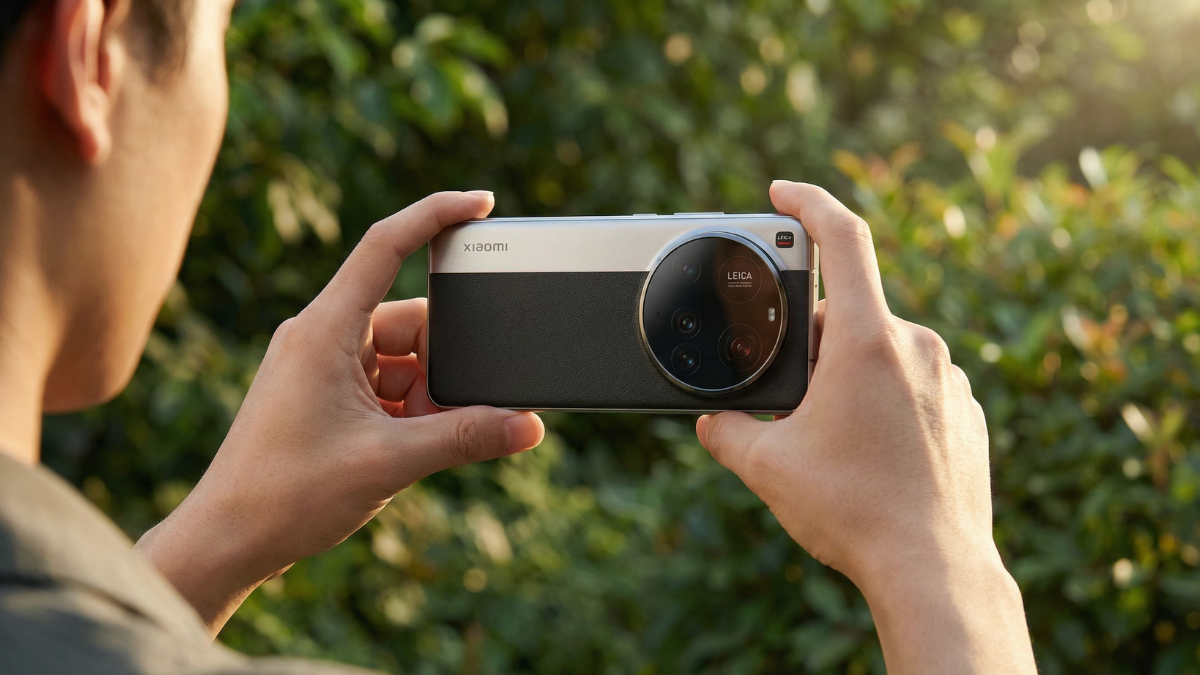
The core camera setup, even with improvements in aperture, is starting to feel a little dated compared to the competition, with brands like Oppo Find X9 Pro boasting a higher-res 200MP zoom lens and a larger 1/1.56-inch sensor, while the Xiaomi 17 Ultra boasts a full 1-inch main sensor.
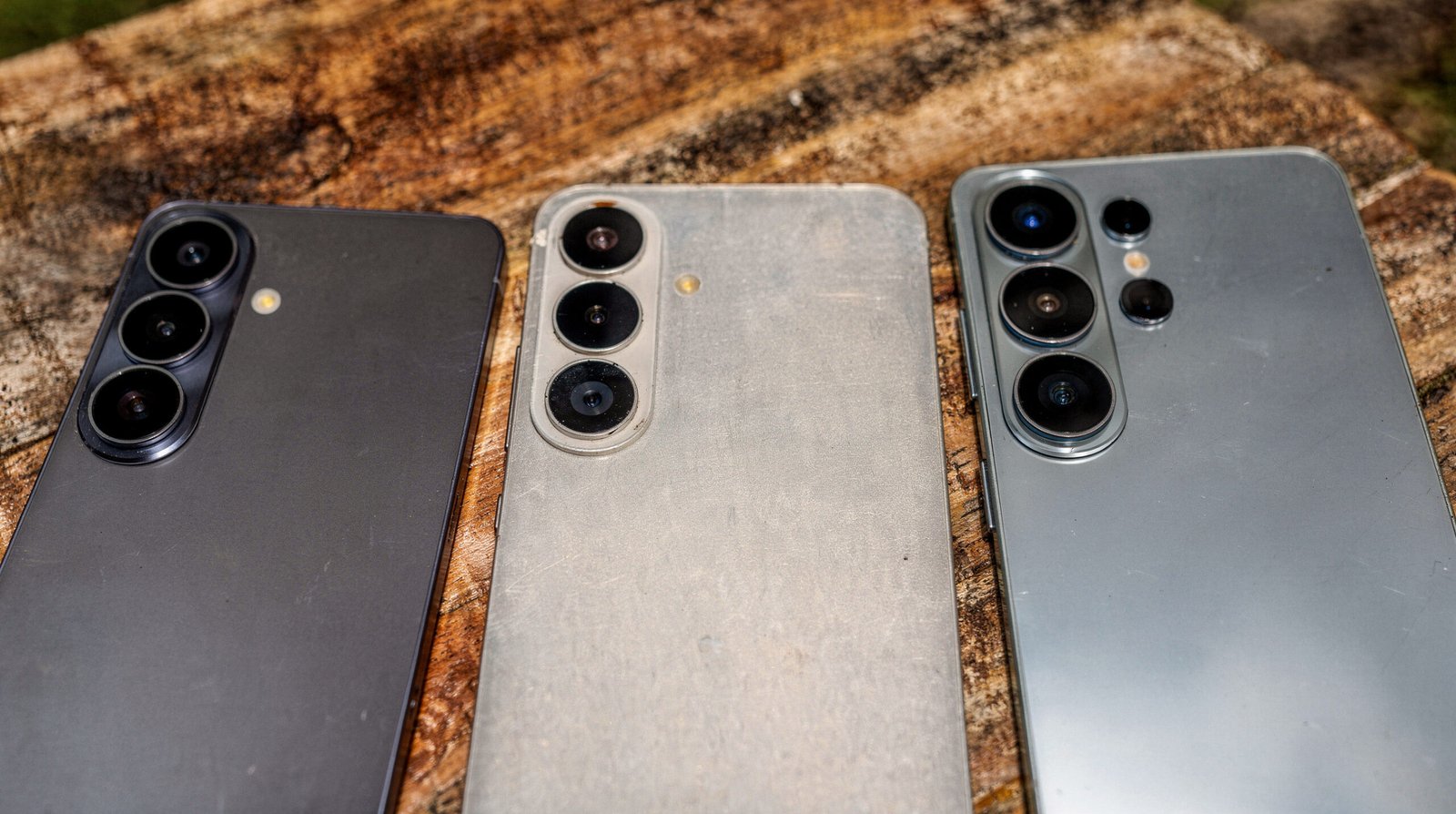
The Galaxy S26 Ultra continues on the path of least resistance and keeps the changes in the camera department to a minimum. The main camera’s sensor is unchanged. The in-house HP2 200MP imager goes all the way back to the S23 Ultra from 2023.
The aperture improved. The processing improved. But the sensor itself is now three years old.
At $1,299 in the US, £1,279 in the UK, and AU$2,199 in Australia, buyers deserve to know this.
Who Should Buy the Galaxy S26 Ultra Right Now?
After all of this, here is the honest breakdown.
- Buy the Galaxy S26 Ultra if you are upgrading from an S23 Ultra or older.
- For owners of the S23 Ultra or older, the S26 Ultra is a comprehensive upgrade.
- The camera, thermals, Privacy Display, and 60W charging are all meaningful jumps. You will feel every one of them daily.
- Think twice if you own an S25 Ultra.
- For S25 Ultra owners, it is a more marginal case unless the Privacy Display specifically appeals.
- The Privacy Display is the main reason to consider upgrading. Whether a hardware privacy screen justifies $1,299 is a personal call.
- Consider alternatives if camera quality is your top priority.
If shooting the best possible photos in 2026 is your single biggest goal, the Xiaomi 17 Ultra and its 1-inch main sensor deserve a serious look before you decide.
The Galaxy S26 Ultra Compared: What the Numbers Say
| Feature | Galaxy S26 Ultra | iPhone 17 Pro Max | OnePlus 15 |
|---|---|---|---|
| Starting Price (US) | $1,299 | $1,199 | $899 |
| Battery Capacity | 5,000mAh | Approx. 4,685mAh | 7,300mAh |
| Tom’s Guide Battery Test | 16h 10min | Approx. 18h | 25h 13min |
| Wired Charging | 60W | 35W | 100W |
| Main Camera Aperture | f/1.4 | f/1.78 | f/1.6 |
| Privacy Display | ✅ Hardware Level | ❌ | ❌ |
| S Pen | ✅ | ❌ | ❌ |
| Software Updates | 7 years | 5 years (iOS) | 4 years |
The Galaxy S26 Ultra’s endurance falls behind the iPhone 17 Pro Max. Apple’s flagship lasted for nearly 18 hours in Tom’s Guide testing, giving it close to a 2-hour advantage over Samsung.
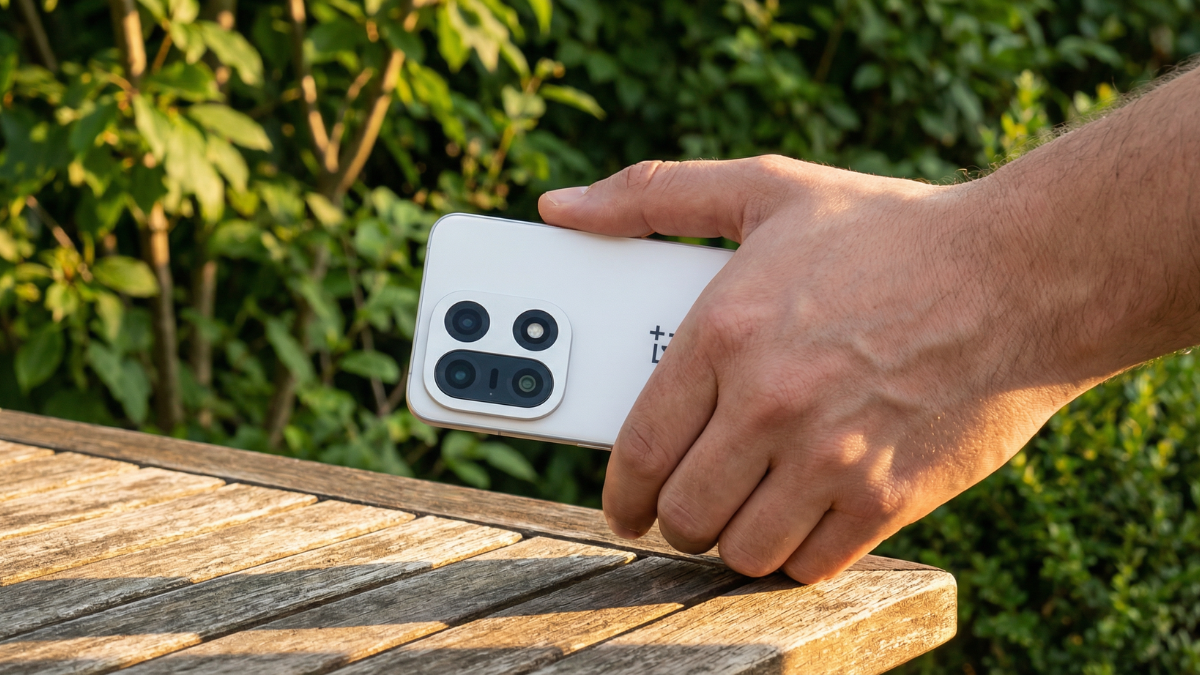
The OnePlus 15’s 25 hours and 13 minutes of battery life is a good 9 hours longer than the Galaxy S26 Ultra.
These are real numbers. Verified. No spin.
The Honest Wrap-Up
The Samsung Galaxy S26 Ultra is not a revolutionary phone.
The Galaxy S26 Ultra does not exactly rip up the rulebook, but it does refine one of the most polished Android flagship experiences around. From subtle design tweaks and a lighter build to smarter AI tricks and a headline new Privacy Display, this year’s Ultra feels more like a considered upgrade than a revolutionary one — and that might be exactly what long-time Galaxy fans are looking for.
The 60W charging is overdue but welcome. The f/1.4 aperture makes a genuine difference in low light.
The Privacy Display is the most original hardware innovation on any flagship in 2026.
But the sensor underneath that 200MP lens is three years old. The battery capacity has not grown. And in Australia, the price jumped to AU$2,199, which is a harder sell than it was twelve months ago.
This year we received meaningful upgrades and an innovative new feature, making it a return to form for Samsung.
That is the most balanced way to say it.
If you are upgrading from an S23 Ultra, you will love this phone. If you already have an S25 Ultra, hold on a little longer.
The Galaxy S26 Ultra deserves your consideration. Just go in with the full picture, not just the marketing.

Written by Ameer Hamza
Tech Analyst and Founder of Global Tech Press. Currently expanding the GTP hardware testing labs and building the next generation of digital tech media.