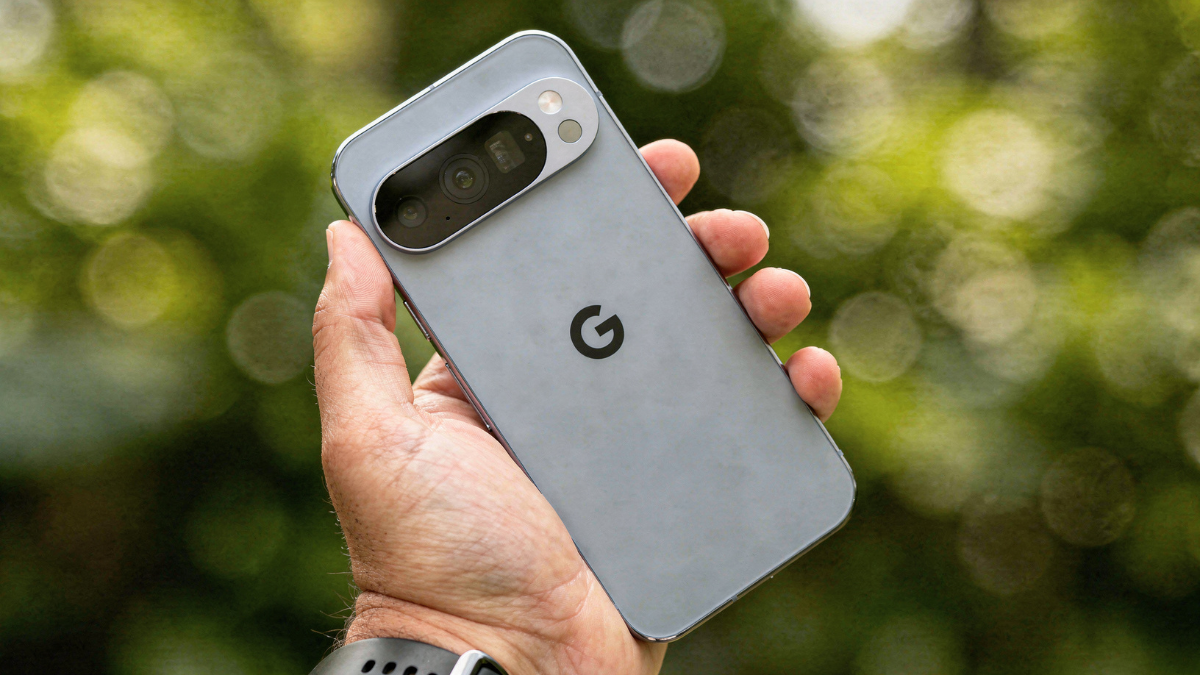
The Google Pixel 10 Pro launched on August 28, 2025. Seven months later, the honest picture is clearer than ever. Here is what every buyer in 2026 needs to know.

Introduction
I want to tell you something most reviews will not say upfront.
The Google Pixel 10 Pro is not an exciting smartphone. It looks virtually identical to the Pixel 9 Pro while featuring the same cameras, minor upgrades to the battery and charging, and a new chipset that is not the savior we had hoped it might be.
And yet, here is the thing.
All of that is technically true, but so is the fact that the Pixel 10 Pro is genuinely one of the best Android phones available. The day-to-day experience of using it is one you cannot get enough of.
I am Ameer Hamza at Global Tech Press. After going through every serious review from Android Authority, Tom’s Guide, Droid Life, Digital Camera World, EFTM, Sypnotix, and more, here is the complete picture — the real wins, the real problems, and the honest verdict for 2026.
Confirmed Spec Sheet
The Pixel 10 Pro and Pixel 10 Pro XL were officially announced on August 20, 2025 at the Made by Google keynote in Brooklyn, New York. Pre-orders began the same day, and it released in the United States on August 28.
| Detail | Confirmed Spec |
|---|---|
| Display | 6.3-inch LTPO OLED, 1280 x 2856, 1 to 120Hz |
| Chipset | Google Tensor G5 (TSMC 3nm) |
| RAM | 16GB |
| Storage | 128GB, 512GB, 1TB |
| Main Camera | 50MP, f/1.68, OIS |
| Ultrawide | 48MP, 123° field of view |
| Telephoto | 48MP, 5x optical zoom |
| Battery | 4,870mAh |
| Wired Charging | 30W |
| Wireless | 15W Qi2 (Pixelsnap) |
| Starting Price (US) | $999 |
| Starting Price (UK) | £999 |
| Starting Price (AU) | AU$1,699 |
| Release Date | August 28, 2025 |
| Software Updates | 7 years |
The Tensor G5 Finally Runs Cool
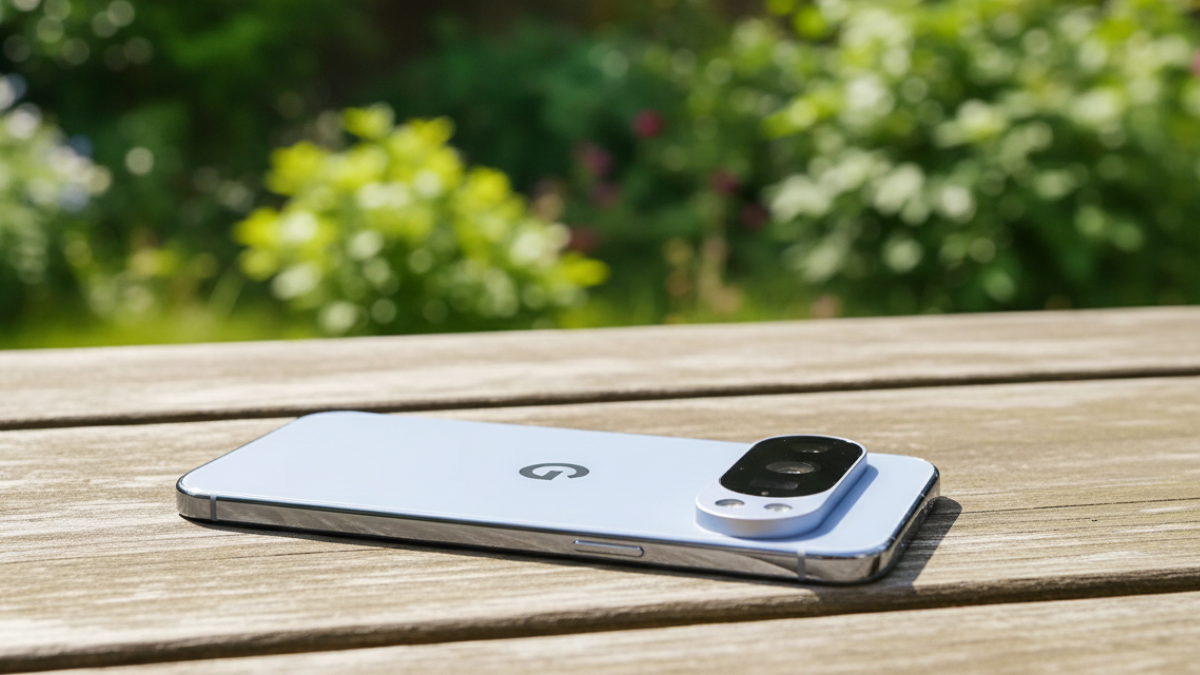
This was the big question before launch. Would Google finally fix the overheating problem?
The custom Tensor G5 is a noticeable upgrade over previous Tensor processors. Instead of using Samsung Exynos fabrication, Google switched to TSMC as their manufacturer, using their N3E 3nm processing node. This provides better efficiency, improved performance, and lower temperatures.
Tensor overheating often plagued older Pixel models and was revealed to be the number one reason older handsets were returned.
My go-to time-killer, Call of Duty: Mobile, ran with Very High graphics and Max frame rate settings — not only running smoothly, but cool too.

That is a genuine win. Seven months into reviews, the thermal problem is not the issue it once was.
The Camera: Still the Best for Everyday Shooters
The big takeaway from the Pixel 10 Pro camera is that it is as good as it gets in the smartphone world. There is not a situation where this camera struggles. Google may have even found some tricks to take another step away from competitors.
Is it the most powerful camera phone money can buy? No. But is it the best choice for most people who simply want to point, shoot, and get consistently excellent results without thinking about it? Absolutely. The Pixel 10 Pro nails the everyday photography experience in a way few competitors can match.
The headline new camera feature is 100x Pro Res Zoom.
The only major new camera feature is the 100x Pro Res Zoom that uses generative AI and the phone’s Tensor G5 to enhance intricate details of far-away objects.
Just to be clear, Pro Res Zoom is AI-assisted photography. But Google has so far shown that it can really create proper images with its generative imaging.
The Battery: Good, Not Great
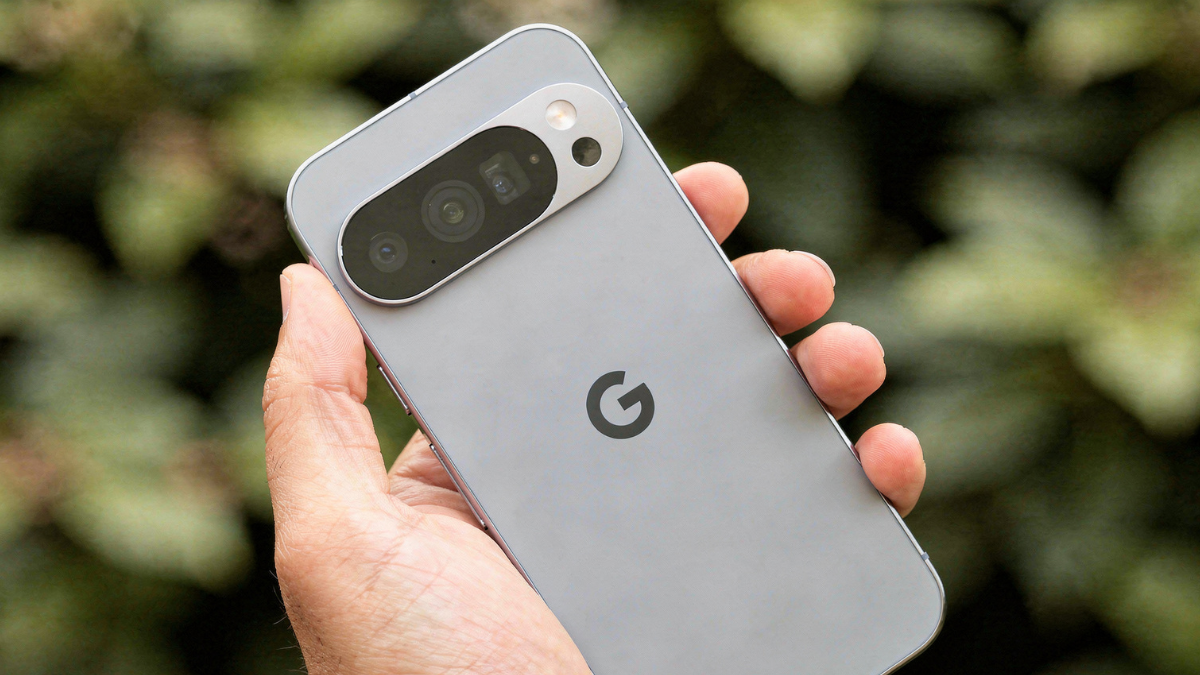
This is the honest part.
While thermals are substantially better this year, the same cannot be said of battery life. While the 4,870mAh battery is a decent capacity for a phone of the Pixel 10 Pro’s size, I have never been able to go more than one day on a single charge.
Battery life on the Pixel 10 Pro is just about fine. It got through a day, although each time by the evening, Google’s battery saver mode had kicked in. Google’s battery life is outclassed by bigger cells in rival Android phones.
The Pixel 10 Pro tops out at 30W wired and 15W wireless, while the Pro XL goes up to 45W wired and 25W wireless — numbers that pale in comparison to other brands offering up to twice those speeds.
If all-day endurance is your priority, this is the honest trade-off you are making.
Pixelsnap: The Feature That Changes How You Use the Phone
Alongside the base Pixel 10, the Pro models gain Pixelsnap, a Google-branded feature that adds a circular magnet array to the back of the phone to align cases, wallets, phone mounts, and wireless charging pucks. It is based on Qi2, the wireless charging standard which introduced the MagSafe magnetic array found in iPhones.
Pixelsnap is a favorite addition to the Pixel 10 hardware. After waiting years for Google to adopt a magnetized ecosystem, the good news is that it works with existing Apple MagSafe-compatible accessories as well.
This one change makes the Google Pixel 10 Pro feel significantly more modern in 2026.
Magic Cue: AI That Actually Helps
Magic Cue is an agentic suggestion integration that leverages on-device machine learning to provide relevant information to the user during a text conversation or phone call. It scans information in emails, messages, notes, and surfaces relevant suggestions. It is currently integrated only with Google services such as Gmail, Keep Notes, Google Messages, and Google Calendar.
The AI upgrades are not quite as impressive as hoped, especially Magic Cue, but new features in addition to existing ones can never be a bad thing.
It is a foundation for something better. Not the finished product yet.
Who Should Buy the Google Pixel 10 Pro in 2026?
If you have a Pixel 9 Pro, this is a phone to skip. But if you are looking for a Pro Pixel and are happy to sacrifice charging speed for the more compact design, then the Pixel 10 Pro should suit you just fine.
Google’s flagship is the best portrayal of what is ahead from Android’s maker. But unless you are absolutely aching to upgrade and the smartphone in your hand is already worn down, there is no harm in holding out another generation.

The Final Honest Review
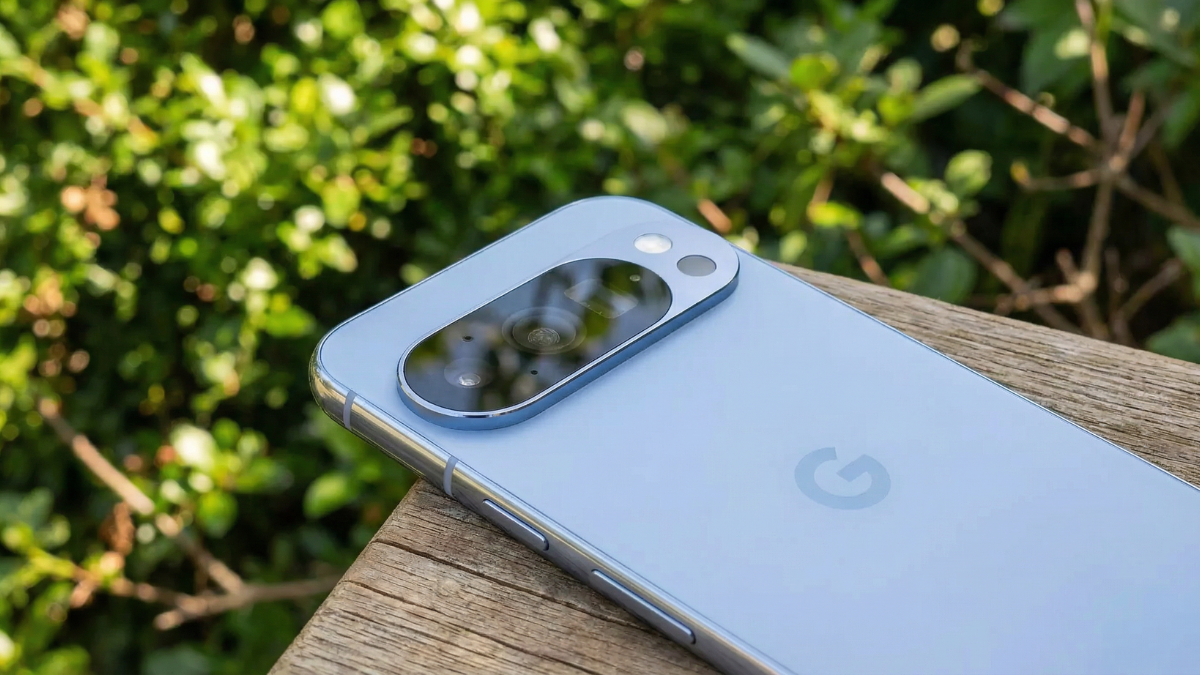
The Google Pixel 10 Pro is the phone for people who live inside the Google ecosystem.
The Pixel 10 Pro is an ecosystem phone first and foremost. Not the Android ecosystem in general. It is the Google ecosystem that only a Pixel phone can fully solve.
The camera delivers. The thermals are finally fixed. The Pixelsnap magnetic system brings the phone into 2026 properly.
But the 30W charging at $999 is hard to defend when rivals are offering 60W and 80W at a lower price point.

Prices for the Pixel 10 Pro start at $999 in the US, £999 in the UK, and AU$1,699 in Australia for a model with 128GB of storage — the exact same price as last year.
- Same price. Same design. Better chip. Better thermals. Slightly better AI.
- If you are on a Pixel 8 Pro or older, this upgrade makes clear sense.
- If you are on a Pixel 9 Pro, wait for the Pixel 11.