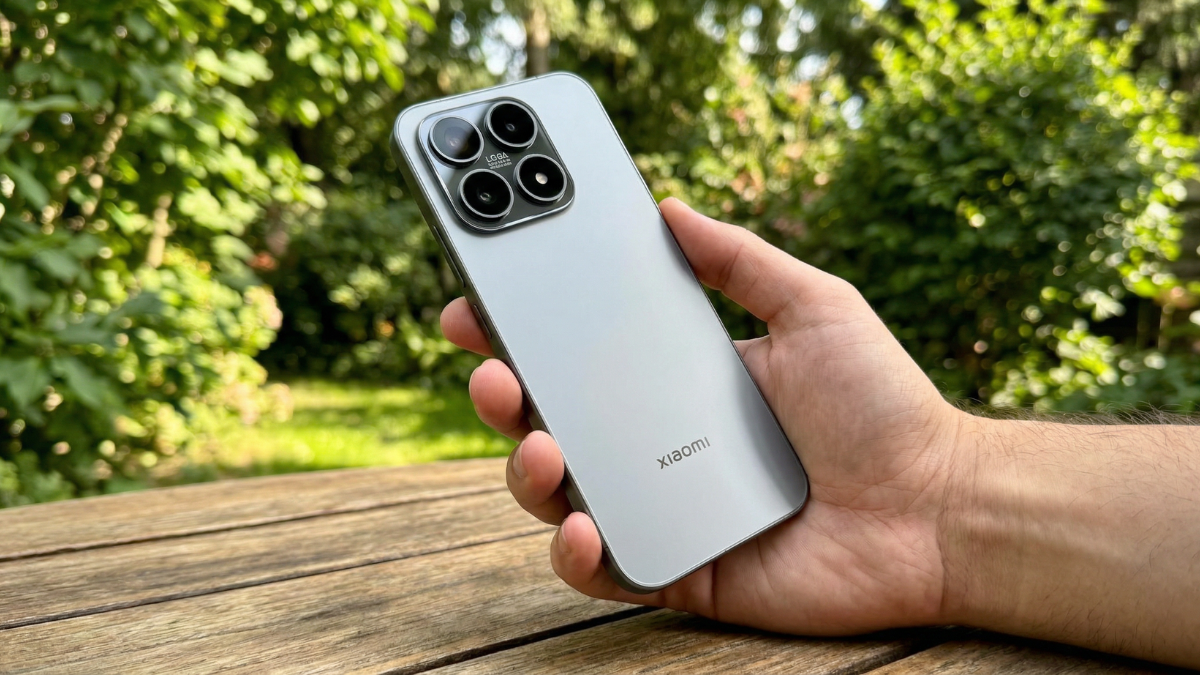
The Xiaomi 17 has the Snapdragon 8 Elite Gen 5, a 6,330mAh battery, and one of the best displays in any compact phone. But there is one problem that every reviewer found: sustained performance drops to 60% under heavy load. Here is the full thermal story.

The Stress Test Results: 60% Stability
It is really difficult to install good cooling in such a compact case, especially considering the high battery capacity and the generally dense layout of the insides. In the CPU Throttling Test stress test, the processor noticeably overheats and performance drops to about 60%. At the same time, the case heats up very noticeably.
That is a 40% performance drop during sustained workloads. For a phone running the most powerful Android chipset available, that number matters.
Expert Reviews Confirmed the Same Pattern
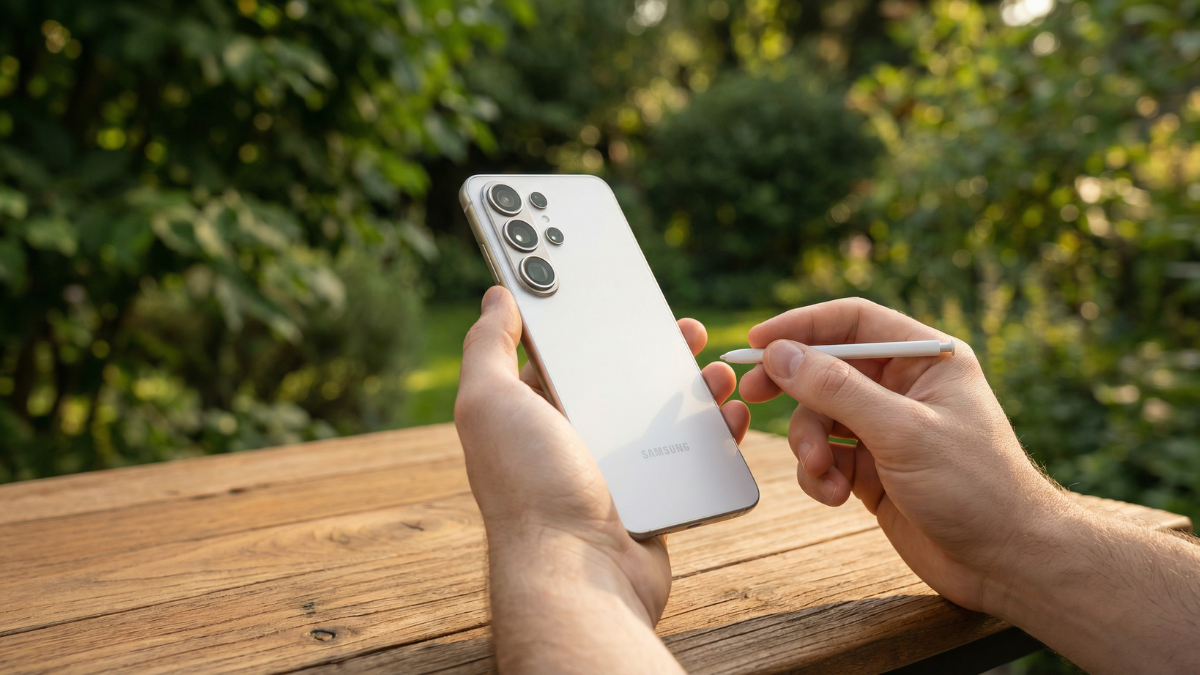
It is an impressively powerful compact flagship with excellent stamina, keen cameras, and a lovely display. Unfortunately, it has also got messy software and is both chunkier and heavier than its leading rival, the Samsung Galaxy S26.
One reviewer could feel it quickly warm up when playing games, and although frame rates never tanked in any of the titles they tried, even demanding ones like Red Dead Redemption, there does seem to be a bit of thermal throttling going on. There are better choices if you mainly want a high end handset for gaming.
Gaming: Frames Hold, But the Phone Gets Hot
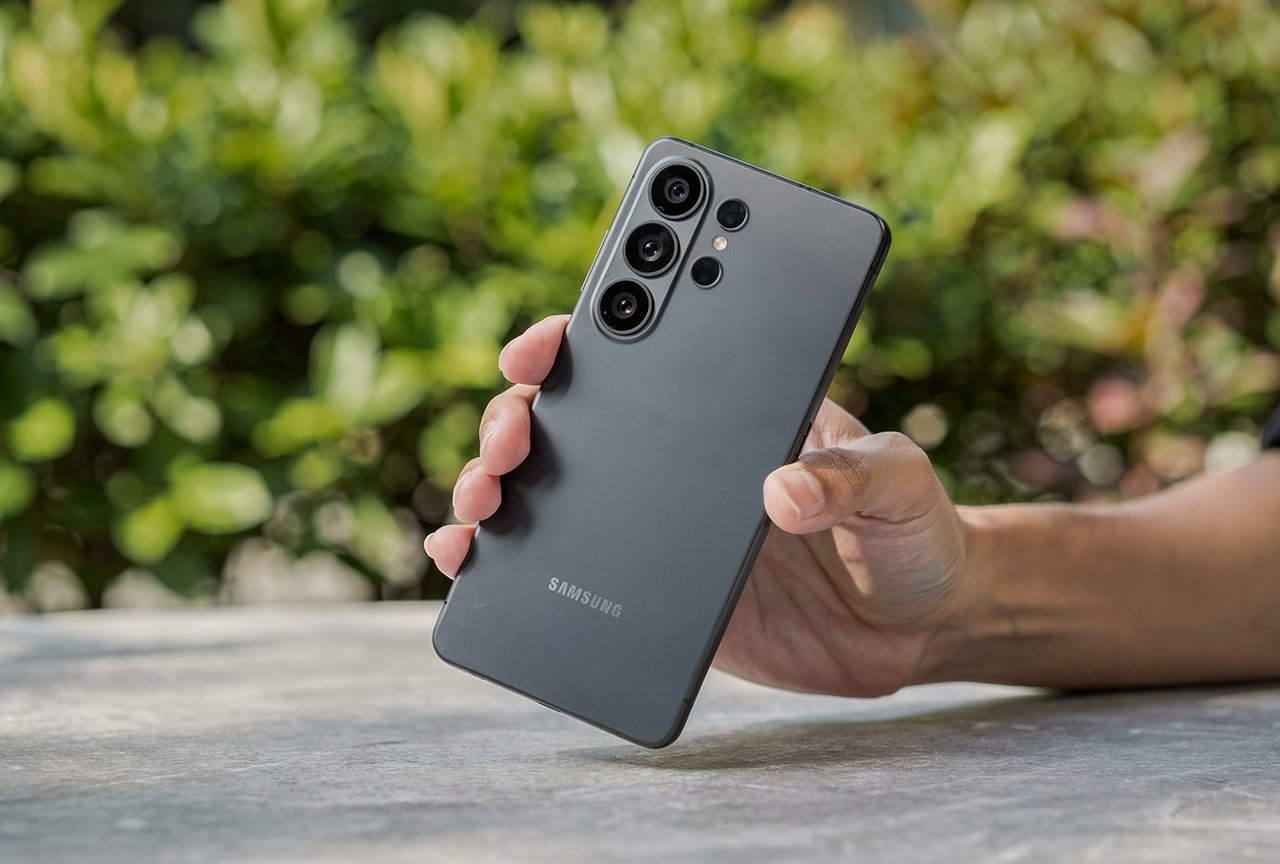
Games on the smartphone work great. But during long gaming sessions, the case heats up significantly. Although there was no noticeable decrease in performance. Call of Duty Mobile at maximum settings shows above 60 FPS. Diablo Immortal at high settings shows stable 60 FPS.
One tester said: Warm, the way you would expect any phone to feel when it is working hard. They kept waiting for the heat to build up and it did not. The cooling system is doing its thing. Most phones at this price would have turned into a hand warmer by now, and the Xiaomi 17 never got there.
So frame rates hold. But the heat is real. And synthetic benchmarks show a 40% sustained performance drop under extended loads.
Why It Happens: Big Battery, Small Body
The root cause is physics, not engineering.
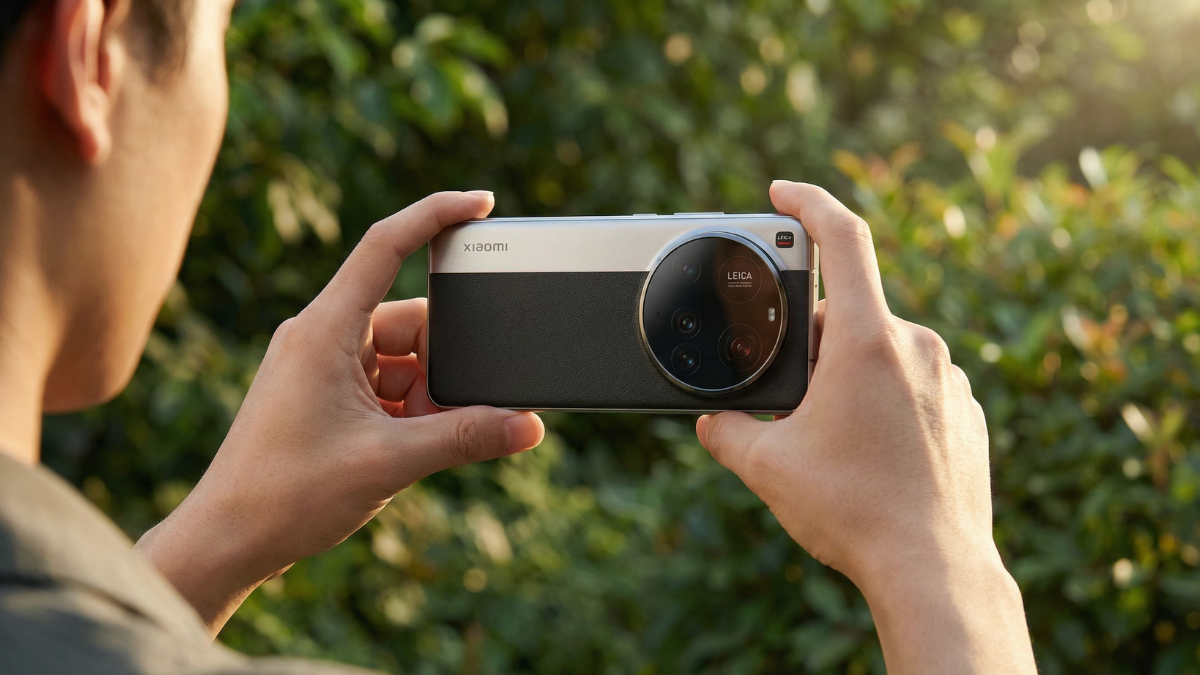
Battery capacity sits at 6,330mAh in a silicon carbon cell with 824 Wh/L energy density. For something this compact, that is a serious number. Cooling runs through what Xiaomi calls the “Stereoscopic Annular Cold Pump”, a name that claims 3x faster heat dissipation than traditional vapor chambers.
But even with that cooling system, there is only so much you can do inside a 151.1 x 71.8 x 8.06mm body. The Snapdragon 8 Elite Gen 5 generates significant heat under sustained load, and the compact chassis simply cannot dissipate it as efficiently as larger phones like the OnePlus 15 or Galaxy S26 Ultra.
The Benchmark Numbers
The Snapdragon 8 Elite Gen 5 chipset delivered exceptional performance. In Geekbench 6 testing, single core results were 9% up on the Xiaomi 15 and multi core results up 7%. These results have the Xiaomi 17 joining the OnePlus 15 as being faster than any other phone tested in the multi core stakes.
In the Geekbench 6 Vulkan GPU test, the Xiaomi 17 returned a score of 27,142. This is a solid improvement over the Xiaomi 15’s result of 24,178.
Peak performance is exceptional. It is sustained performance where the compact body becomes a limitation.

Should You Worry?
For 95% of daily use, no. Apps open instantly. Scrolling is smooth. Camera processing is fast. The throttling only shows up during extended stress tests and prolonged gaming.
If you are a competitive mobile gamer who plays for 45+ minutes at maximum settings, you will feel the heat. If you use your phone for everything else, the Xiaomi 17 will feel just as fast as any phone in 2026.
The trade off is simple: you get the best battery life in any compact flagship, but you sacrifice some sustained peak performance to get it.

Written by Ameer Hamza
Tech Analyst and Founder of Global Tech Press. Currently expanding the GTP hardware testing labs and building the next generation of digital tech media.