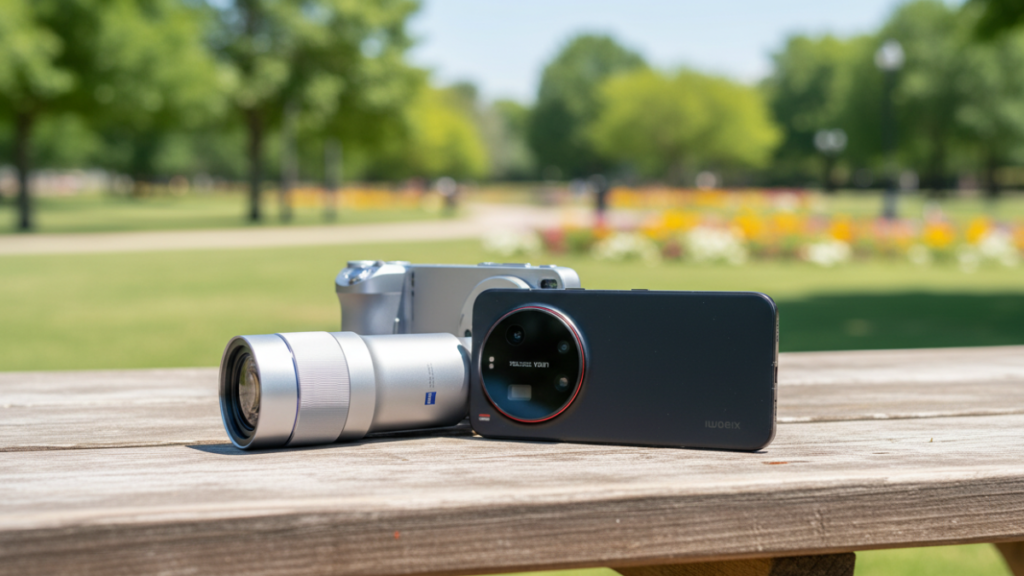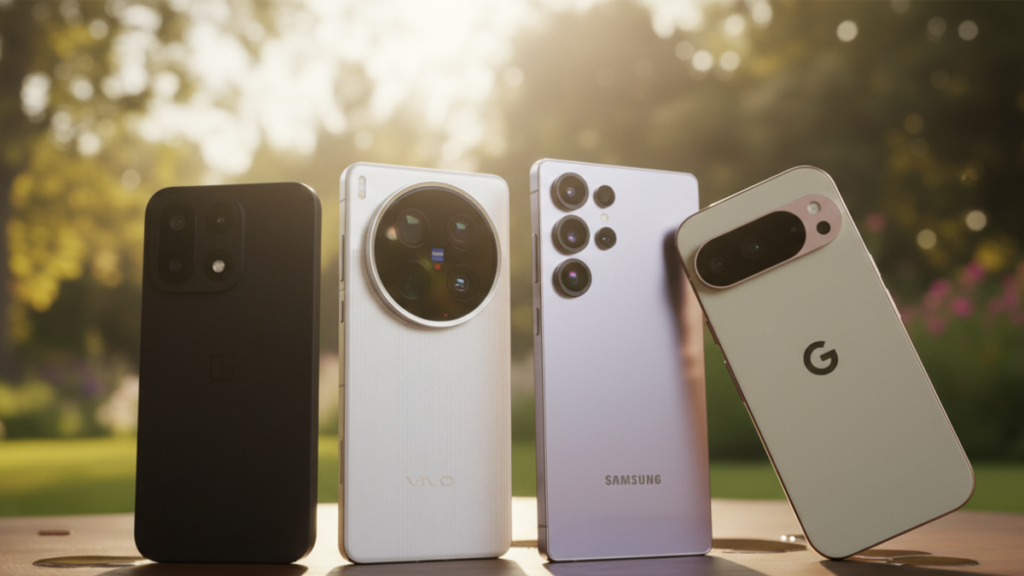
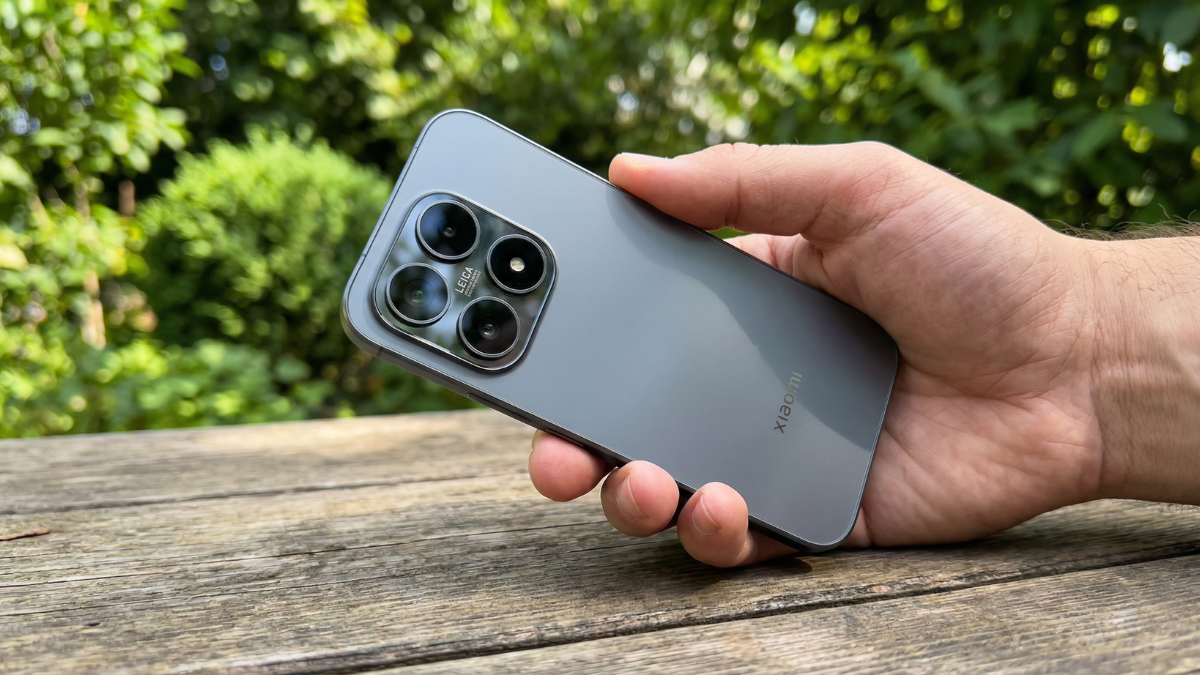
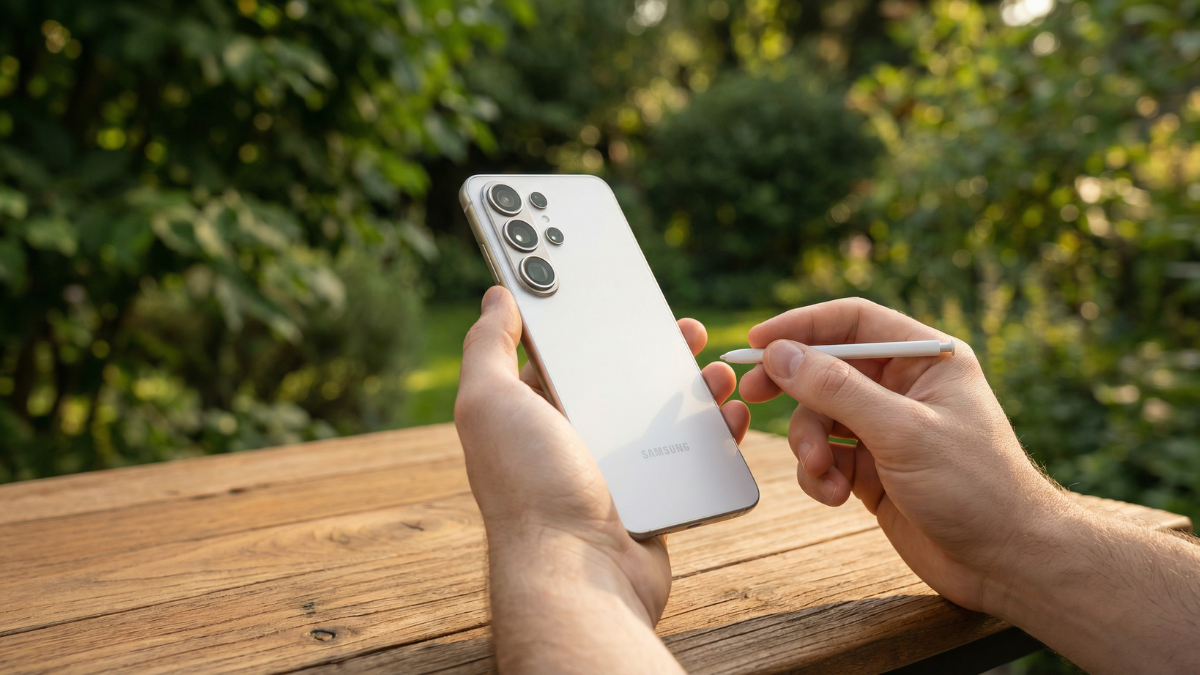
The Xiaomi 17 Ultra uses a 1 inch main sensor, a 200MP telephoto, and Leica APO optics. The Samsung Galaxy S26 Ultra uses a 200MP f/1.4 main sensor, the new ALoP periscope mechanism, and the APV codec for video. Both cost over $1,500. I tested them side by side at Global Tech Press. Here is what the results actually show.

The Camera Systems at a Glance
| Camera Spec | Xiaomi 17 Ultra (Global) | Samsung Galaxy S26 Ultra |
|---|---|---|
| Main Sensor | 50MP, 1 inch, f/1.67 | 200MP, f/1.4 |
| Telephoto | 200MP Samsung HPE, f/2.39 to f/2.96, 75 to 100mm | 50MP, f/2.9, 5x ALoP periscope |
| Ultrawide | 50MP f/2.2, 14mm, 115 degree | 50MP f/1.9, 13mm, 120 degree |
| Selfie | 50MP f/2.2 | 12MP |
| Video | 8K/30fps, 4K Dolby Vision 120fps, 4K Log | 8K/30fps APV codec, Horizon Lock |
| Leica Optics | Yes (APO Summilux) | No |
| Battery | 6,000mAh, 90W wired | 5,000mAh, 60W wired |
Daylight Photography: Xiaomi 17 Ultra Wins Clearly
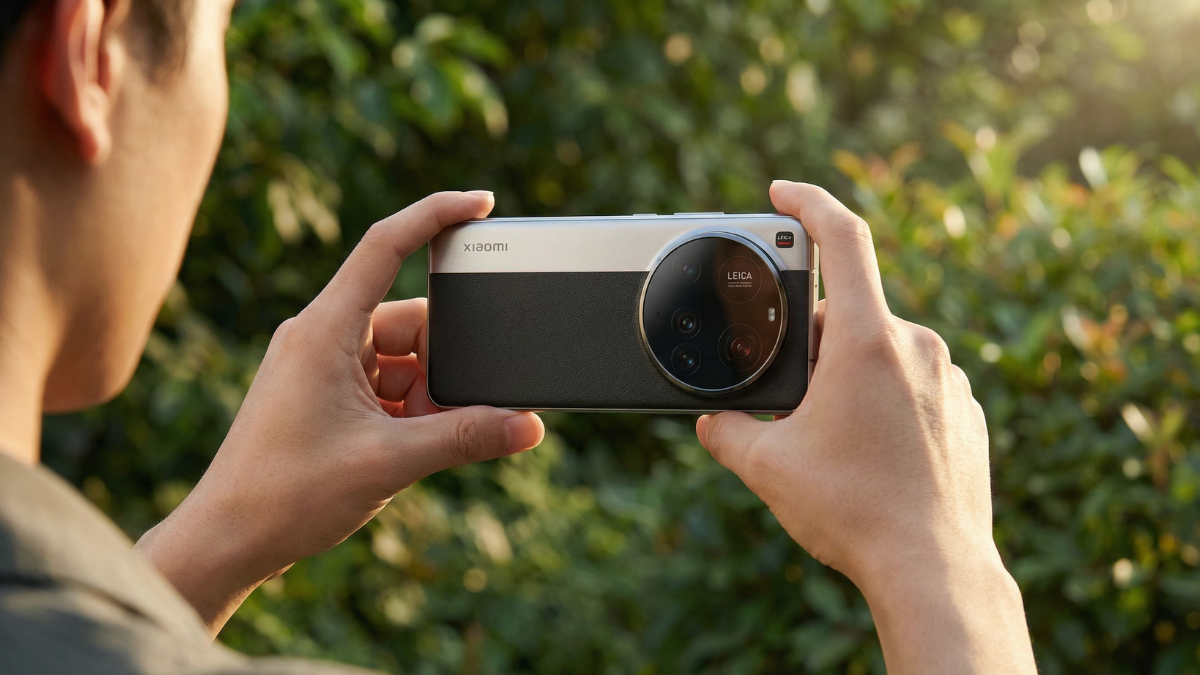
In daylight, the Xiaomi 17 Ultra’s 1 inch sensor pulls ahead on dynamic range and tonal depth. The larger sensor captures more light across a wider scene, and the Leica APO optical design visibly suppresses chromatic aberration at telephoto distances.
The Samsung Galaxy S26 Ultra produces sharper, more detailed images from the 200MP main sensor. But the color rendering on the Xiaomi 17 Ultra is more natural and less processed looking, especially in mixed lighting scenes with strong shadows and highlights.
At telephoto distances, the 200MP Samsung HPE sensor on the Xiaomi 17 Ultra resolves remarkable detail between 75mm and 100mm. The variable focal length mechanism is the key innovation here. You are not locked to a fixed zoom ratio.
Low Light: Samsung Catches Up and Sometimes Passes
In low light conditions, the gap narrows considerably. The Xiaomi 17 Ultra’s large sensor collects more raw light, which helps in moderately dark environments.
But Engadget’s hands on testing confirmed a clear limitation: the Xiaomi 17 Ultra’s low light video performance “doesn’t match its prowess in still photography, lagging behind flagship phones from Apple, Google and Samsung.”
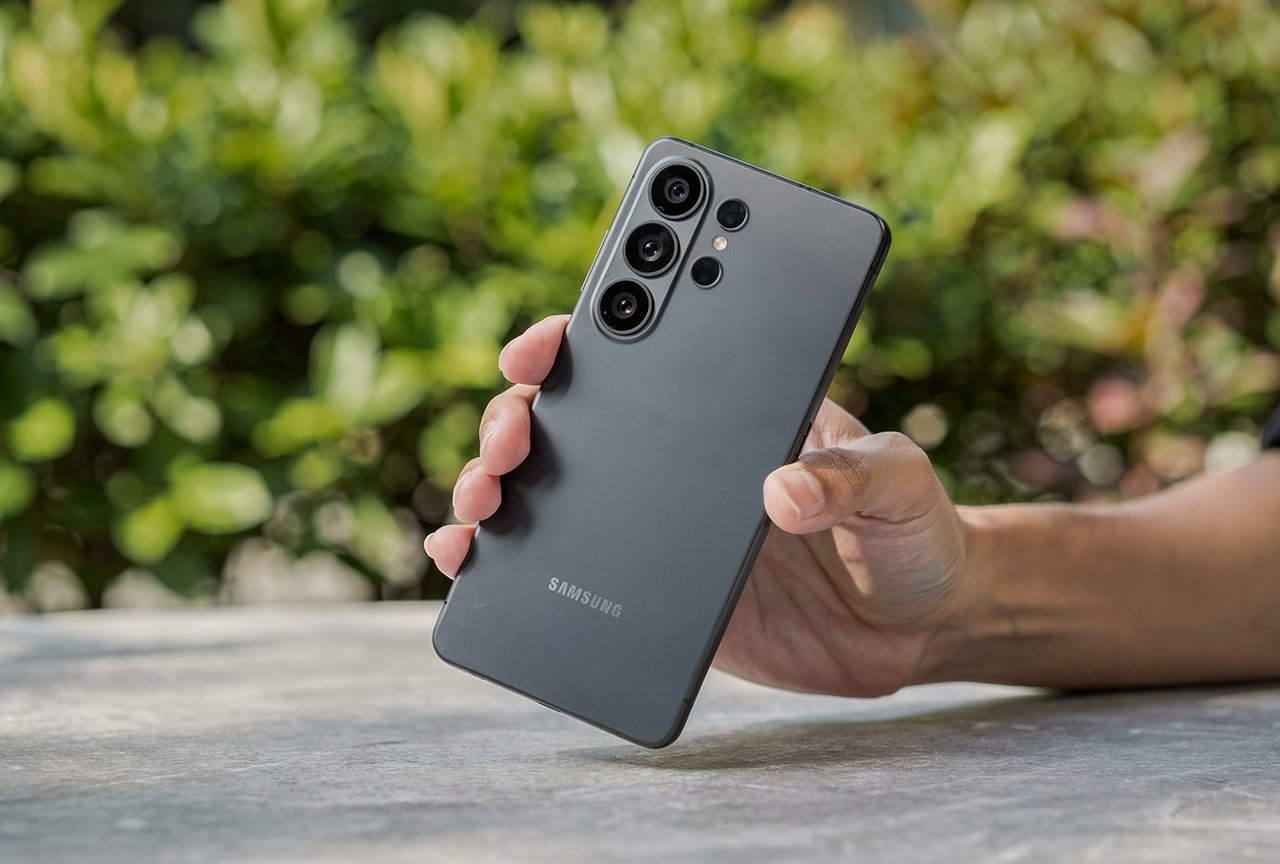
In still photography at night, results are close. In video shot in dim conditions, the Samsung Galaxy S26 Ultra’s processing, stabilization, and the new APV codec pull it ahead.
Video: Samsung Galaxy S26 Ultra Wins
The Xiaomi 17 Ultra supports 4K 120fps Log video and 8K at 30fps, which are excellent specifications. The Dolby Vision recording is genuinely useful for color graders.
But the Samsung Galaxy S26 Ultra’s APV codec, Horizon Lock, and Audio Eraser on third party apps create a more complete video production toolkit. The APV codec specifically preserves more detail through repeated editing cycles in a way standard HEVC cannot match.
If video production is your primary use case, the S26 Ultra has the edge.
The Honest Verdict
The Xiaomi 17 Ultra is the better still photography phone in daylight, with a more natural Leica color science and a genuinely large 1 inch sensor that captures scenes with more depth than the S26 Ultra in controlled conditions.
The Samsung Galaxy S26 Ultra is the better video phone and performs more consistently across all lighting conditions, including low light scenarios where the Xiaomi falls short of its still photography quality.
Both phones cost over $1,500. Your choice between them should come down to this: if you shoot photos, the Xiaomi 17 Ultra. If you shoot video, the Galaxy S26 Ultra.

Written by Ameer Hamza
Tech Analyst and Founder of Global Tech Press. Currently expanding the GTP hardware testing labs and building the next generation of digital tech media.