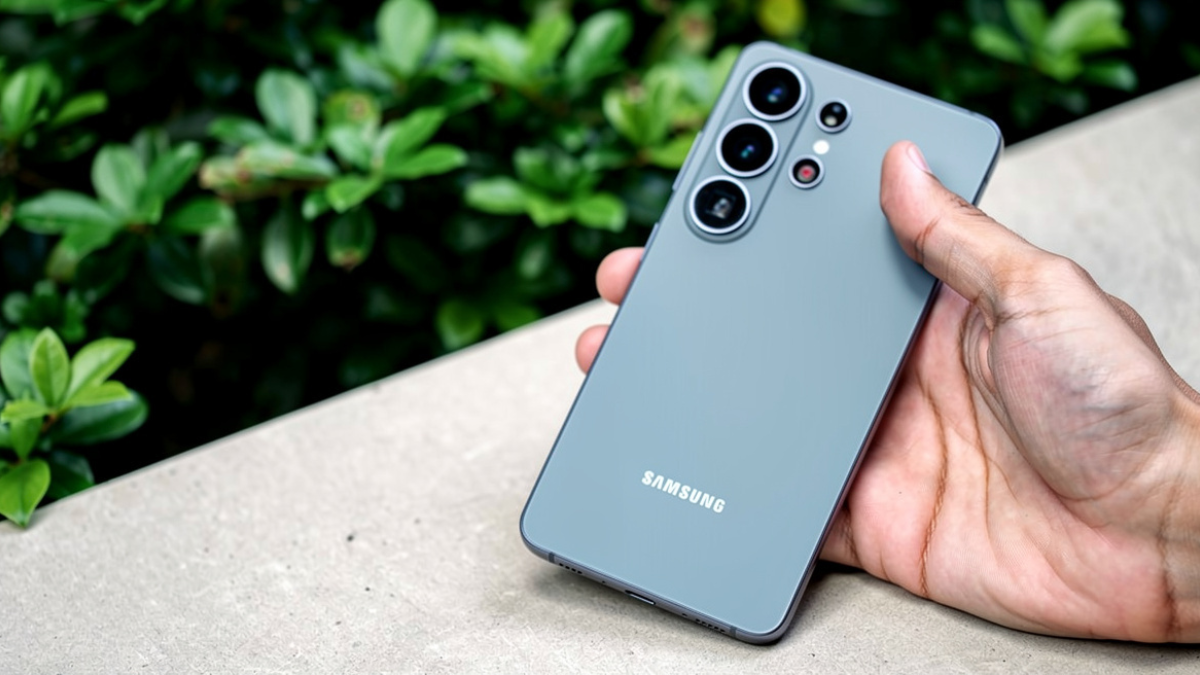
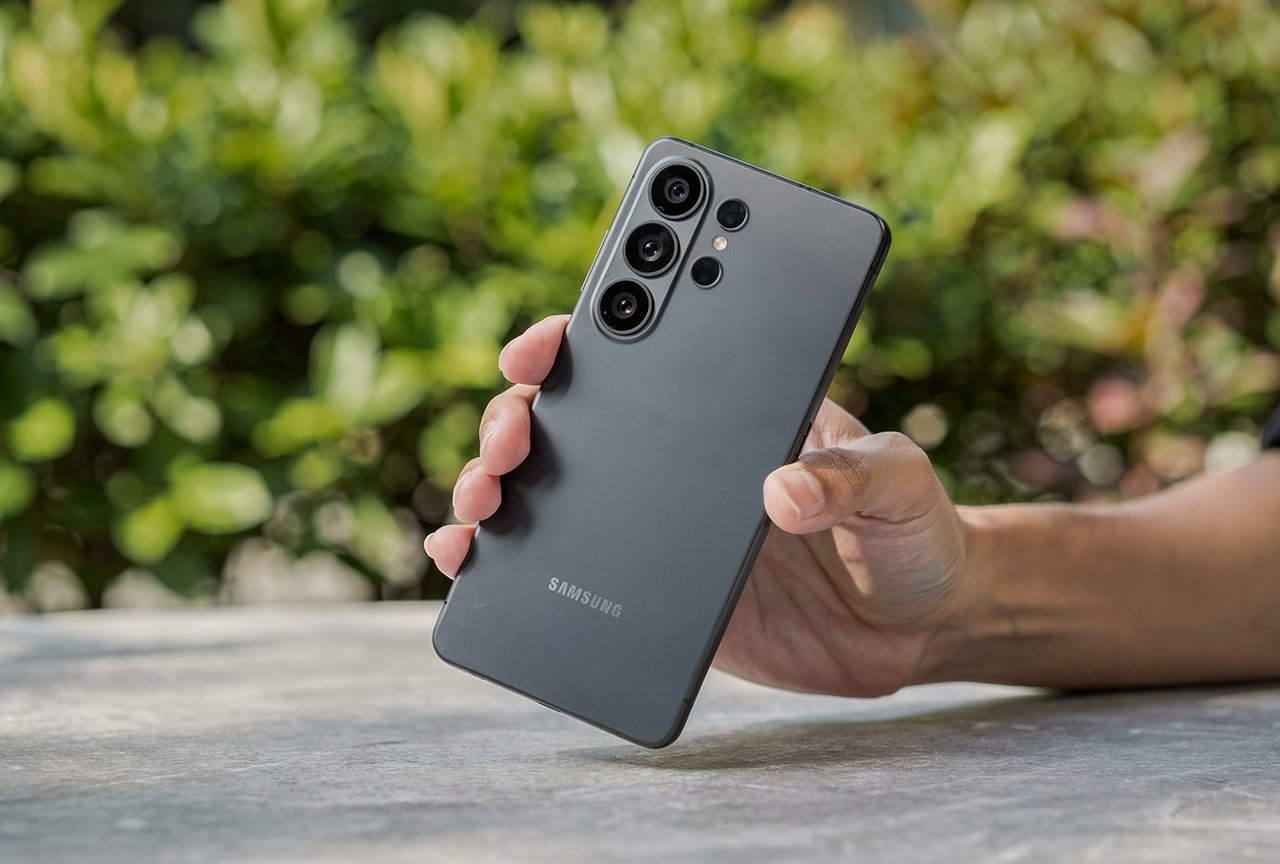
The Samsung Galaxy S26 Ultra ships with a 200MP f/1.4 main camera that Samsung claims is 47% brighter than last year. I spent 14 days shooting with it exclusively at Global Tech Press before drawing any conclusions. Here is what actually changed and what did not.

What Samsung Actually Changed on the Camera
The megapixel count stays the same. Still 200MP on the main sensor.
What changed is the glass in front of it. The aperture widened from f/1.7 to f/1.4. That single change lets in 47% more light with every shot. The 5x telephoto also got wider. From f/3.4 to f/2.9, a 37% brightness improvement on the periscope lens.
Samsung also replaced the traditional periscope mechanism on the 5x with a new ALoP (All Lens On Prism) system. Smaller, lighter, and according to Samsung, optically superior.
What 14 Days of Testing Revealed
Daylight photography: Genuinely excellent. The 200MP sensor with f/1.4 produces images with sharp subject separation and accurate color. The ProVisual Engine does not over sharpen the way earlier Galaxy Ultra phones did. Skin tones in portrait mode are the most natural I have seen from Samsung in years.
Low light photography: This is where the f/1.4 aperture earns its price. Shooting inside restaurants, under street lights, and in near dark conditions, the S26 Ultra pulls in detail that the S25 Ultra simply missed. Noise levels dropped noticeably.
Telephoto at 5x: The new ALoP mechanism handles close up subjects better than the S25 Ultra’s periscope. Edge detail at 5x is sharper. The f/2.9 aperture helps in moderate low light at zoom.
Video: The APV codec support at 8K/30fps is real and functional. File sizes are large (roughly 1.5GB per minute at high quality), but the footage holds detail through editing in a way HEVC cannot match.
Where It Still Falls Short
The S26 Ultra scored 157 points on DXOMARK. The current top phones include the vivo X300 Pro at 171 and the Huawei Pura 80 Ultra at 175.
In extremely dark environments, the S26 Ultra shows more visible luminance noise than the iPhone 17 Pro in DXOMARK’s controlled comparisons.
The 10MP 3x telephoto with its f/2.4 aperture remains the weakest link in the camera system. At 3x in low light, it struggles in ways the main camera and 5x lens do not.
The Verdict After 14 Days
The Samsung Galaxy S26 Ultra camera is not the best in the world by benchmark scoring. But for real people shooting real photos in real situations, the f/1.4 upgrade is meaningful. Low light performance improved in a way that is visible to anyone, not just lab testers.
If you are upgrading from the S24 Ultra or older, the camera jump is substantial. If you are upgrading from the S25 Ultra, the improvements are real but incremental.
The 200MP f/1.4 sensor earns its place in a $1,299 flagship. Not because it beats every competitor on every test. But because it delivers consistently strong results across every shooting scenario you will actually face.

Written by Ameer Hamza
Tech Analyst and Founder of Global Tech Press. Currently expanding the GTP hardware testing labs and building the next generation of digital tech media.