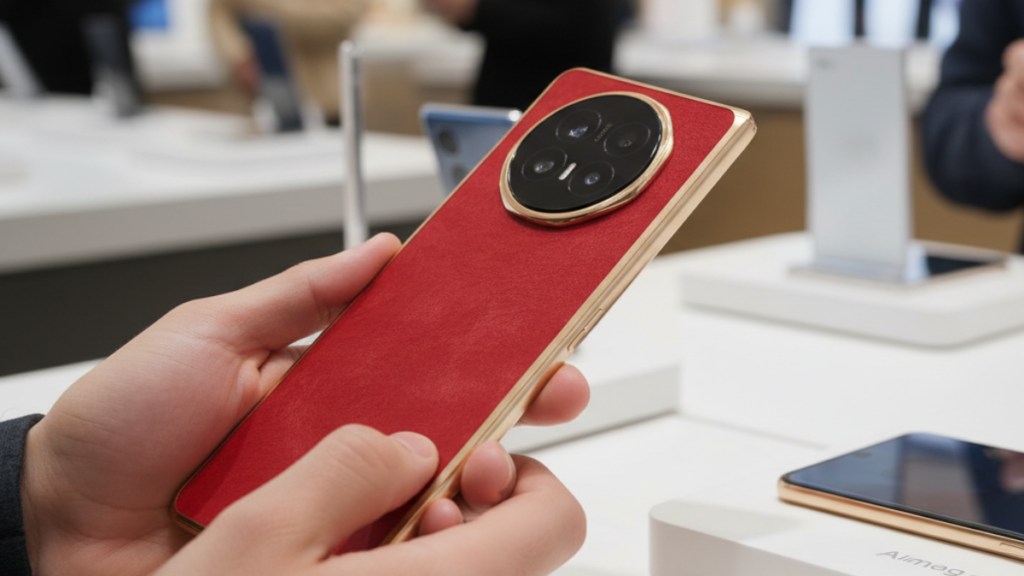
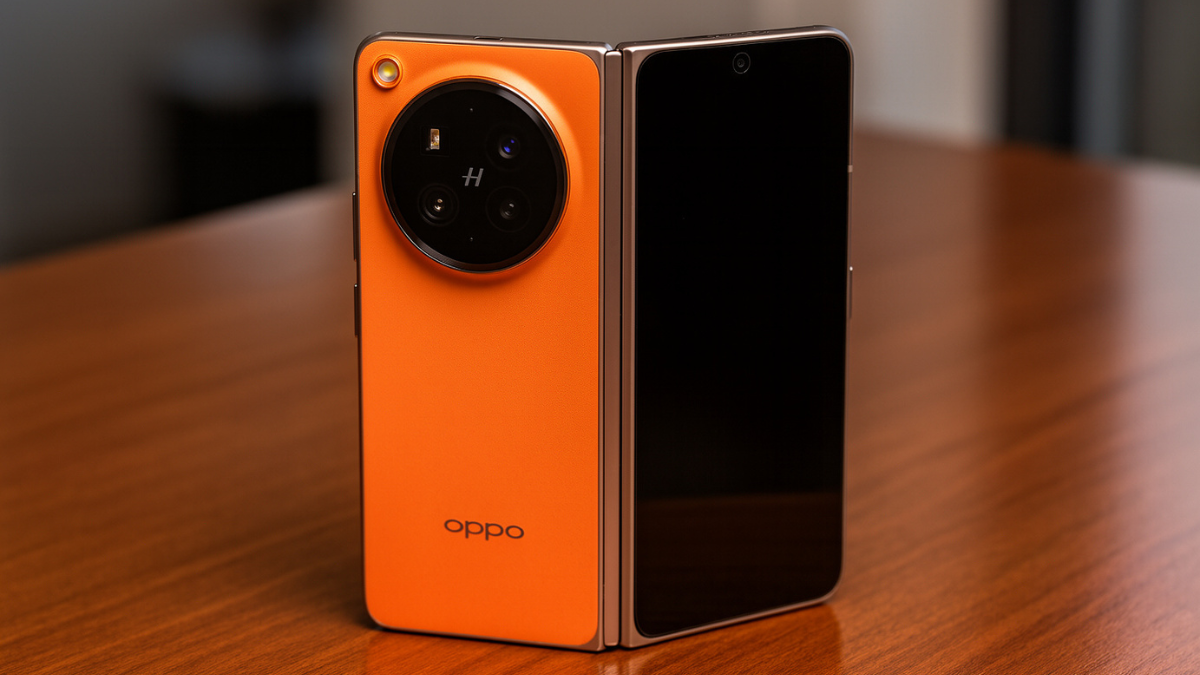
One important thing for spec fiends to know about the Oppo Find N6 is that although it has a Qualcomm Snapdragon 8 Elite Gen 5 inside, it is the 7 core version and not the octa core version found in many top non folding phones released in 2026. Every reviewer tested it. Here is what the numbers actually say.

Why Oppo Chose 7 Cores Instead of 8
OPPO worked with Qualcomm to produce a modified 7 core configuration specifically tuned for foldable thermal constraints. In a device with this form factor, sustained peak power is less useful than consistent mid range performance that avoids throttling during hours of use.
Oppo claims it was chosen to reduce heat, and even during tough benchmark tests, the Find N6 does not get hot at all.
That thermal claim is backed by every hands on review. Not a single reviewer reported overheating.
The Benchmark Numbers: Find N6 vs Galaxy Z Fold 7
Android Police ran identical tests on both phones.
| Test | Oppo Find N6 (7 core SD 8 Elite Gen 5) | Galaxy Z Fold 7 (8 core SD 8 Elite) |
|---|---|---|
| Geekbench 6 Single Core | 3,461 | 2,529 |
| Geekbench 6 Multi Core | 7,452 | 8,817 |
| 3DMark Solar Bay | 12,415 | 9,844 |
The 3DMark Solar Bay Stress Test recorded a best loop score of 12,415. On a Geekbench 6 test, the multi core score was 7,452, and the single core was 3,461.
The Galaxy Z Fold 7 has the older Snapdragon 8 Elite inside, and in the Solar Bay Stress Test, its best loop score was 9,844. For Geekbench 6, it scored 8,817 multi core and 2,529 single core.
The Find N6 wins single core by a massive margin (+37%) and wins GPU decisively (+26%). It loses multi core by 15%, which is expected with one fewer core.
The Sustained Performance Problem
This is where the honest conversation begins.
It also is not the greatest phone in terms of sustained performance, scoring just 53.6% stability during a high intensity 20 minute stress test. Though that is fairly common among super thin foldables where there is not a lot of space for heat to be effectively dissipated.
Even when paired with 16GB of RAM and 512GB of storage, it is not quite at the same level of performance as Snapdragon powered bar flagships like the Samsung Galaxy S26 Ultra and OnePlus 15 in benchmark testing. The N6 falls slightly behind in multi core CPU tests and more interestingly in GPU tests, with scores consistently lower than the top end competition.
Does Any of This Affect Real World Use?
No. Every single reviewer said the same thing.
The day to day performance of the Find N6 is absolutely fine. The phone feels about as rapid as any other flagship you could pick up in 2026, foldable or otherwise, with Oppo’s focus on speedy animations across the OS making it feel even more responsive.
Apps open with a sense of urgency. Multi app splitscreening is a delight on the big internal panel. Call of Duty Mobile and Crashlands 2 ran with high fidelity graphics and high frame rates on the higher res internal panel without any noticeable lag or stuttering. The phone does get warm after longer 30 minute sessions, but even then, it is not hot, just warm.
The Real Advantage: It Never Gets Hot
Synthetic benchmarks show only a small dip in certain situations compared to rivals rocking the full eight cores. It helps that there is 16GB of RAM alongside 512GB of speedy storage.
The 7 core decision is a deliberate engineering trade off. Less peak multi core power. More consistent thermals. No overheating. For a foldable phone that is 4.2mm thin when open, that trade off makes sense.
If you are buying the Oppo Find N6 for gaming marathons or sustained multi threaded workloads, you will notice the difference. For everything else, you will not.

Written by Ameer Hamza
Tech Analyst and Founder of Global Tech Press. Currently expanding the GTP hardware testing labs and building the next generation of digital tech media.