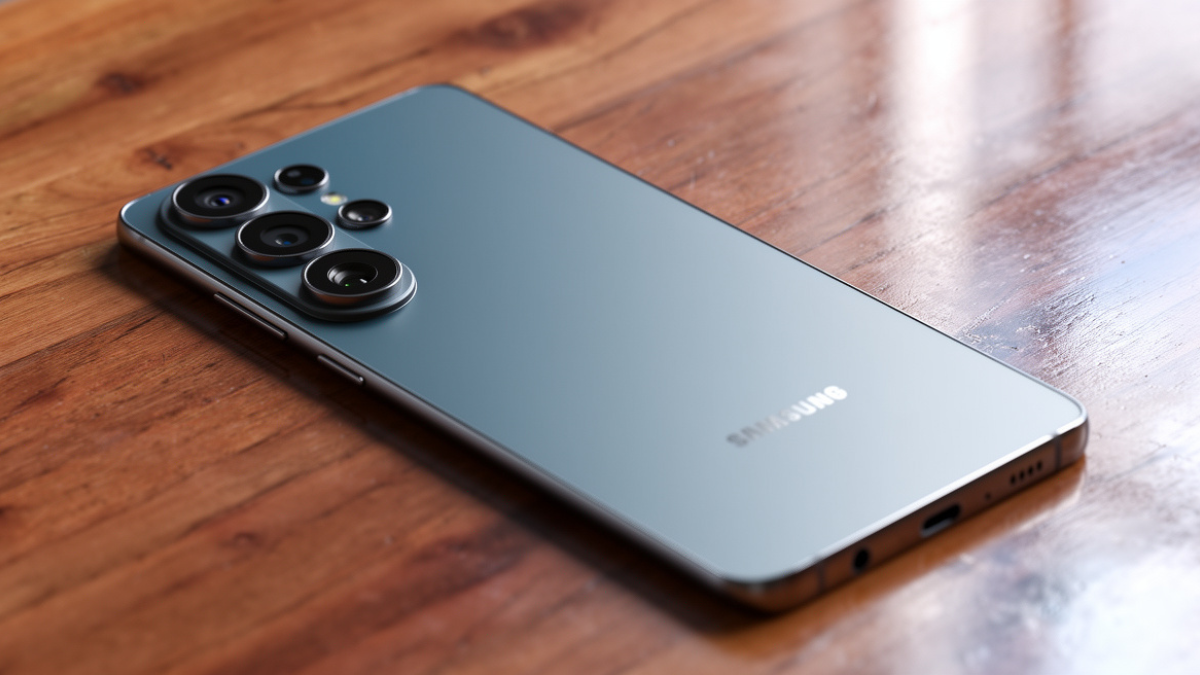
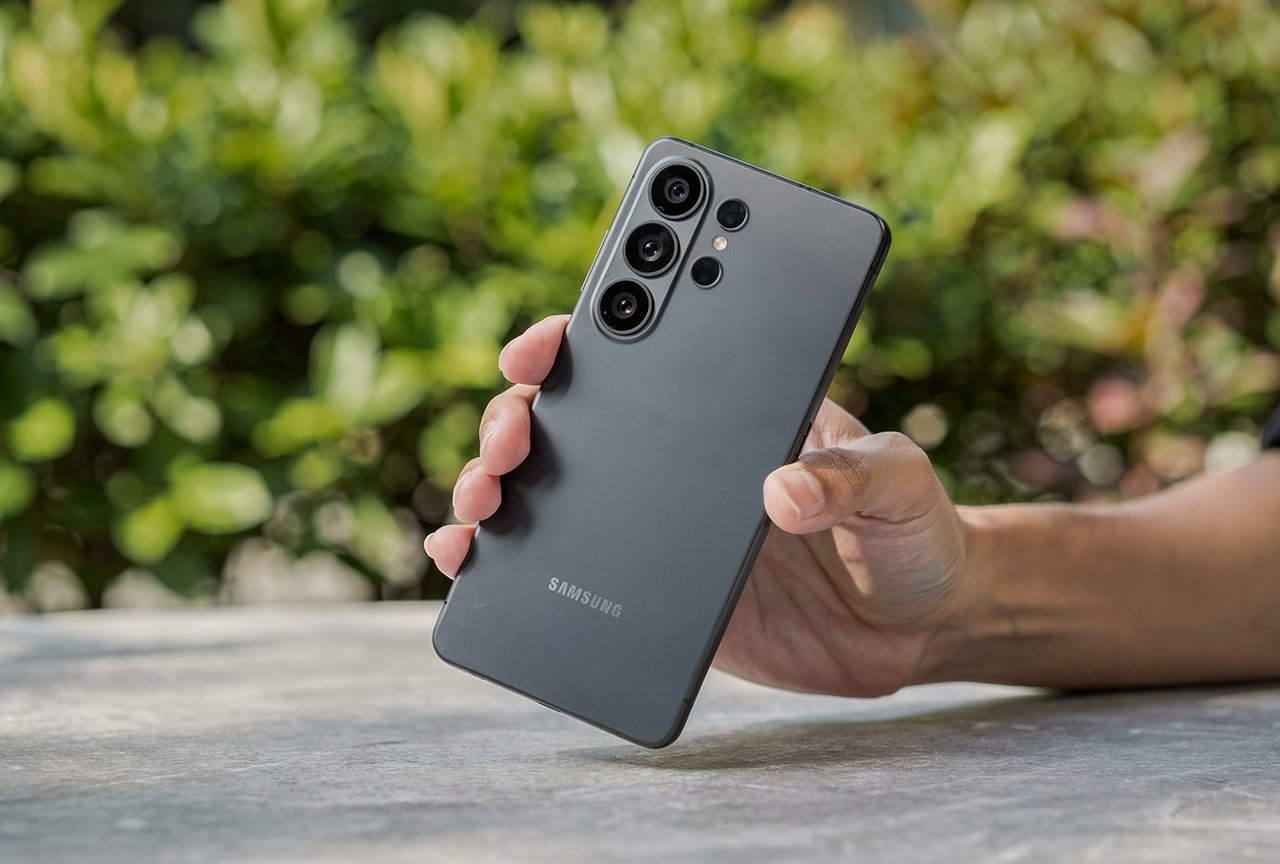
The Samsung Galaxy S26 Ultra costs $1,299. It ranked 18th in the DXOMARK camera rankings with a score of 157, tying with devices like the Apple iPhone 16 Pro and OPPO Find X8 Pro. For Samsung’s most expensive phone, that number raises real questions. Here is what DXOMARK actually found.

The Score: 157 Points, 18th Place
Samsung Galaxy S26 Ultra scored 157 points in the camera test conducted by DXOMARK. Last year’s Galaxy S25 Ultra hit 151 points. That is a 6 point improvement. Meaningful, but not enough to crack the top 15.
The top four right now are the iPhone 17 Pro at 168, the OPPO Find X8 Ultra at 168, the vivo X300 Pro at 171, and the Huawei Pura 80 Ultra at 175.
The S26 Ultra sits behind the Apple iPhone 16 Pro Max (161 points), the Google Pixel 10 Pro XL (163 points), and the Huawei Pura 80 Ultra (175 points).
The Samsung Galaxy S26 Ultra is 18 points behind the number one phone on the list.
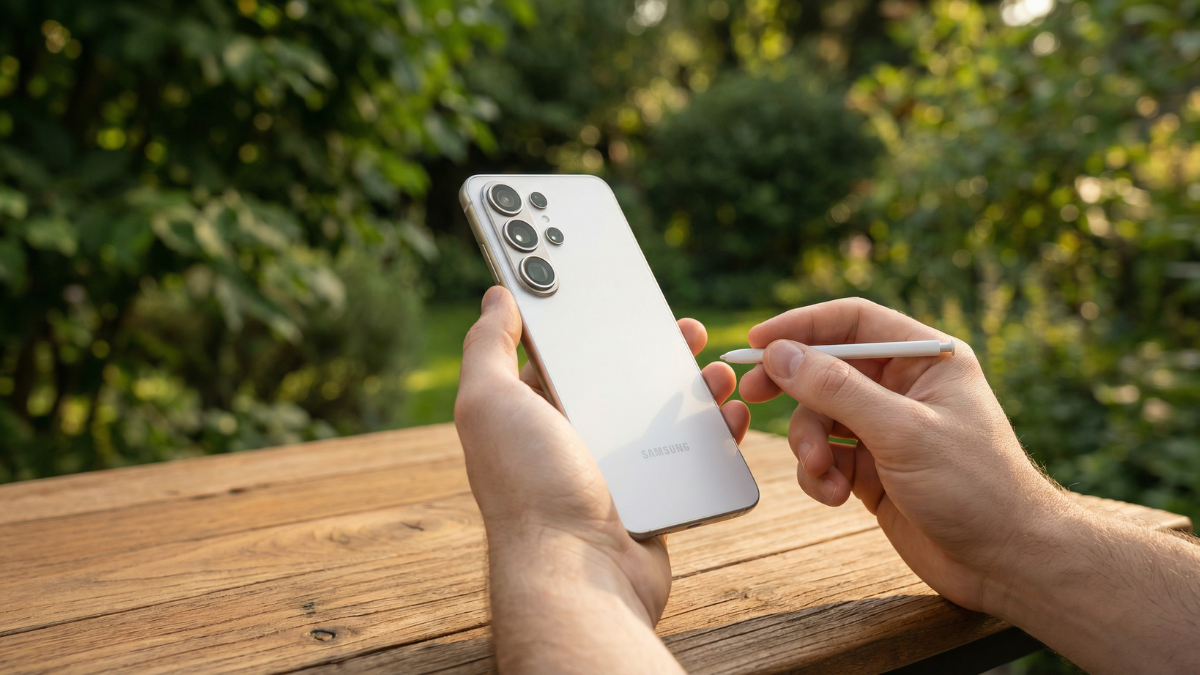
Where It Improved: Low Light and Color
The Samsung Galaxy S26 Ultra performs strongly in the DXOMARK Camera test, bringing meaningful improvements over the previous generation particularly in low light, where the larger aperture and refined image processing deliver better detail, lower noise, and more stable color performance. Across photo attributes, the device shows clear progress in color accuracy, texture and noise trade-off, and telephoto consistency.
The f/1.4 aperture on the main sensor is legitimately useful. Low light performance got noticeably better, with improved detail, lower noise, and more stable color. White balance improved across the board alongside color accuracy in portraits.
Where It Failed: Portraits, Autofocus, and Noise
Despite these gains, the S26 Ultra still falls short of many competing flagships in several critical areas. Exposure can remain unstable, noise is still more pronounced than on several competitors, and autofocus reliability — especially in low light and when shooting with the ultra wide module — continues to lag behind the best in class.
Faces are often captured with fewer fine details, and the autofocus sometimes just refuses to lock onto eyes in portrait shots. Meanwhile, the depth of field is so shallow in group shots that only the front person stays sharp.
The worst categories for the phone were Portrait, Low Light, and Zoom.
The $1,299 Problem
Samsung’s new flagship did not even manage to squeeze itself into the top 15 on the global camera rankings. This probably does not come as a surprise, considering that Samsung made small camera hardware changes compared to last year’s model. Hardware wise, the cameras are not even close to the top players. There is only so much that can be done via processing.
Samsung is positioning the S26 Ultra as a premium device, but it is clear the top price does not automatically mean the best camera performance. With Huawei, Vivo, and Oppo pushing the envelope with their camera tech, and often at a lower price, Samsung has real motivation to step up its game next round.
The Samsung Galaxy S26 Ultra is not a bad camera phone. One area where the Galaxy S26 Ultra continues to perform very well is zoom. Thanks to its dual telephoto system, the phone delivers strong results across many zoom levels in both photo and video. In many situations, the S26 Ultra still preserves slightly more detail than the iPhone 17 Pro.
But at $1,299, ranking behind a $999 iPhone 16 Pro and a $899 Pixel 10 Pro XL in the global camera charts is hard to justify with specs alone.

Written by Ameer Hamza
Tech Analyst and Founder of Global Tech Press. Currently expanding the GTP hardware testing labs and building the next generation of digital tech media.