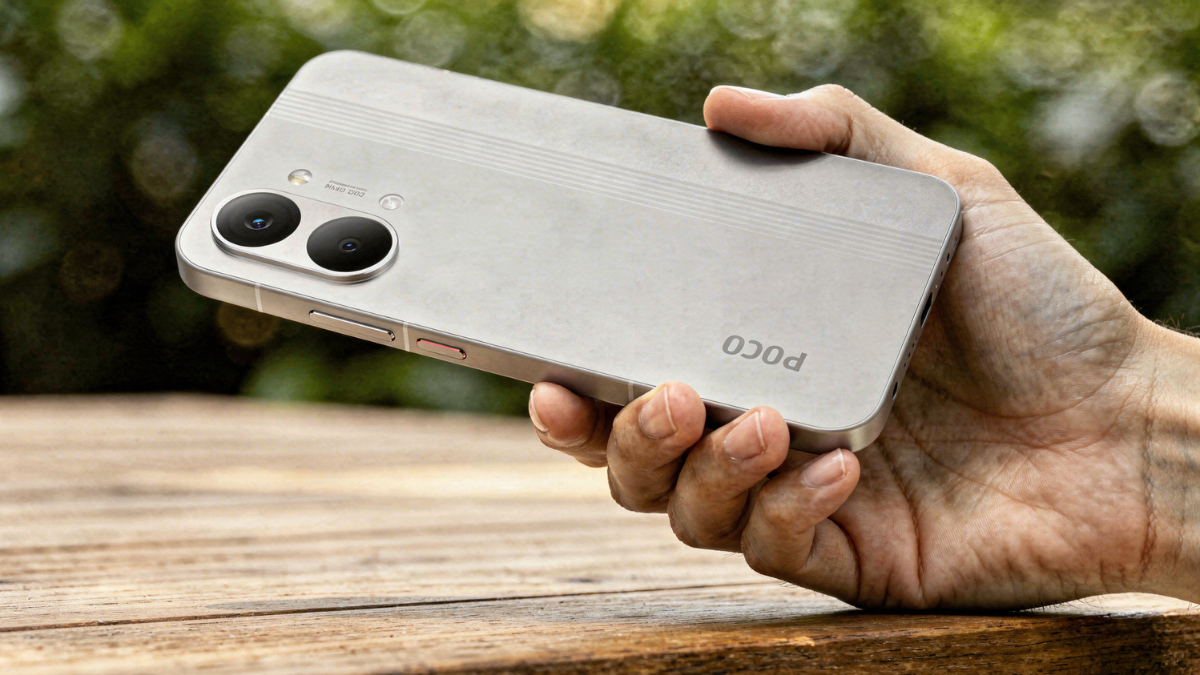
The POCO X8 Pro launched globally on March 17, 2026 with the world debut of the Dimensity 8500 Ultra chipset. Here is the complete verified benchmark picture — including the honest answer on overheating.

Introduction
Let me start with a quick correction that matters.
You may have seen the POCO X8 Pro described online as running the Dimensity 8350 Ultra. That is not accurate. POCO officially confirmed on its global product page that the X8 Pro features the Global debut Dimensity 8500 Ultra, not the 8350 variant.
This distinction matters because the two chipsets perform very differently. The Dimensity 8500 Ultra is a newer, more powerful chip. Now that we have that straight, let us get into what the benchmarks actually say.
I am Ameer Hamza at Global Tech Press. I went through every confirmed review and benchmark from POCO’s official global pages, GSMArena, CGMagazine, Beebom, Newsbytes PH, NanoReview, AndroidHeadlines, PhoneArena, AndroidPolice, and YugaTech to give you the complete, honest picture.
Confirmed Spec Sheet: POCO X8 Pro (March 2026)
The POCO X8 Pro is an Android smartphone announced in March 2026, featuring a 6.59-inch display, the Dimensity 8500 Ultra chipset, a 6,500mAh battery, and up to 512GB storage with 12GB RAM.
| Detail | Confirmed Spec |
|---|---|
| Display | 6.59-inch 1.5K AMOLED, 2756 x 1268, 120Hz |
| Peak Brightness | 3,500 nits (25% APL) |
| PWM Dimming | 3,840Hz |
| Chipset | MediaTek Dimensity 8500 Ultra (4nm) |
| GPU | Mali-G720 MC8 |
| RAM | 8GB or 12GB LPDDR5X |
| Storage | 256GB or 512GB UFS 4.1 |
| Battery | 6,500mAh Silicon-Carbon |
| Charging | 100W HyperCharge (48 min to 100%) |
| Reverse Charging | 27W wired |
| Main Camera | 50MP Sony IMX882, f/1.5, OIS |
| Ultrawide | 8MP, 123° field of view |
| Selfie | 20MP |
| OS | Android 16, HyperOS 3 |
| IP Rating | IP66, IP68, IP69, IP69K |
| Weight | 201.5g |
| Thickness | 8.38mm |
| Price (Global) | From $299 (8GB/256GB) |
| Price (India) | ₹32,999 |
| Launch Date | March 17, 2026 |
| Colors | Black, White, Mint Green + Iron Man Edition |
The Official POCO AnTuTu Score: Verified
This is the number everyone is asking about.
POCO’s official global product page confirms the X8 Pro AnTuTu score of 2,283,558, tested on AnTuTu V11.0.8 by POCO Internal Labs at around 25°C environmental temperature.
POCO notes this data was tested at around 25°C environmental temperature, and actual results may vary based on different testing conditions.
That is the manufacturer’s official number. Now let us look at what independent reviewers actually found.
Real-World Benchmark Results: What Independent Tests Found
AnTuTu Scores Across Multiple Sources
The standard POCO X8 Pro runs on the Dimensity 8500-Ultra platform and recorded an AnTuTu score of 2,283,558. According to the company, the chip delivers a 25% boost in GPU performance while reducing power consumption.
In an independent CGMagazine test, the POCO X8 Pro’s AnTuTu overall score of 2,022,818 placed it close to the POCO F7 Pro and even above the Samsung Galaxy S25 FE overall.
On NanoReview’s database compiled from multiple user submissions, the POCO X8 Pro’s AnTuTu Benchmark 10 score sits at 2,082,689, placing it 128th in the global AnTuTu ranking list.
AnTuTu Score Summary:
| Source | AnTuTu Score | Test Version |
|---|---|---|
| POCO Official Labs | 2,283,558 | AnTuTu V11.0.8 |
| CGMagazine (Independent) | 2,022,818 | AnTuTu V11 |
| NanoReview (User Average) | 2,082,689 | AnTuTu V10 |
The gap between POCO’s official score and independent tests is real.
POCO tested at exactly 25°C in controlled lab conditions. Real-world use means higher ambient temperatures, which always reduces sustained performance.
Geekbench 6 Scores: Verified From Multiple Reviewers
The Dimensity 8500-Ultra performed consistently well, delivering strong results in benchmark tests. It recorded Geekbench 6 scores of 1,712 (single-core) and 6,430 (multi-core), along with an AnTuTu CPU score of 610,342.
CGMagazine’s test found the POCO X8 Pro scored 1,643 on the single-core benchmark and 5,806 on the multi-core benchmark, placing it generally between the Samsung Galaxy S23 and S24 series, which is a decent result for a mid-range phone.
NanoReview’s compiled data shows Geekbench 6 Single-Core: 1,751 and Multi-Core: 6,824 from multiple real-world submissions.
Geekbench 6 Scores Summary:
| Source | Single-Core | Multi-Core |
|---|---|---|
| Newsbytes PH (Review) | 1,712 | 6,430 |
| CGMagazine (Review) | 1,643 | 5,806 |
| NanoReview (User Average) | 1,751 | 6,824 |
GPU Performance: What the Numbers Actually Mean
In terms of graphics, the X8 Pro performed well, scoring 13,202 in the Geekbench GPU test and 629,342 in AnTuTu GPU benchmarks. Resource-intensive games such as Genshin Impact and Where Winds Meet ran smoothly at the highest settings.
CGMagazine’s OpenCL GPU test came in at 13,118, just below the Samsung Galaxy S24 Ultra result.
POCO says the Dimensity 8500-Ultra chip offers a 15.8 percent AnTuTu performance increase compared to its predecessor along with a 25 percent boost in GPU performance.
That GPU improvement is visible in real games. More on that in the gaming section below.
What Is the Dimensity 8500 Ultra Actually?
This context is important before we discuss thermal performance.
The X8 Pro is powered by the Dimensity 8500 Ultra, a 4nm chip with 8x Cortex-A725 cores and a Mali-G720 GPU.
The Poco X8 Pro debuts the MediaTek Dimensity 8500 Ultra for the first time in India. It was only seen before in devices like the Redmi Turbo 5 and Honor Power 2, which were released in China only. This is a pretty powerful processor that is almost comparable to the flagship Snapdragon 8 Gen 3 in performance.
That last comparison is important. For a mid-range price point, this chip punches well above its tier.
Does the POCO X8 Pro Actually Overheat?
This is the question the title asks. Here is the honest, sourced answer.
The POCO X8 Pro and the POCO X8 Pro Max are different phones with different chips. The overheating concern is more documented on the Max model with its flagship Dimensity 9500s.
The Poco X8 Pro Max runs a little bit hot. The chipset puts out plenty of heat, and as a consequence, it loses quite a bit of its performance under prolonged loads like most flagship processors.
On a more positive note, at least that happens gradually in a controlled manner without any big jarring dips in performance that could translate to in-game stutters. The phone’s metal frame gets a bit hot to the touch after prolonged loads, but nothing too bad.

The standard POCO X8 Pro with the Dimensity 8500 Ultra tells a different story.
POCO’s official page describes the 3D dual-layer IceLoop cooling system with an ultra-large area of 5,300mm², which effectively targets key heat sources enabling highly efficient heat dissipation and drastically reduces the SoC temperature by up to 3°C.
In everyday use, the Poco X8 Pro literally flies past anything you throw at it. Apps open quickly, multitasking was effortless with no slowdowns. In terms of gaming, BGMI runs at Smooth graphics with Ultra Extreme (120FPS), while Call of Duty: Mobile can hit Ultra (120FPS) on Medium graphics. Both maintain a very stable frame rate with only minor drops.
Even titles like Genshin Impact ran at the highest settings at 60FPS without any noticeable stutter or frame drop.
The IceLoop Cooling System: Does It Work?
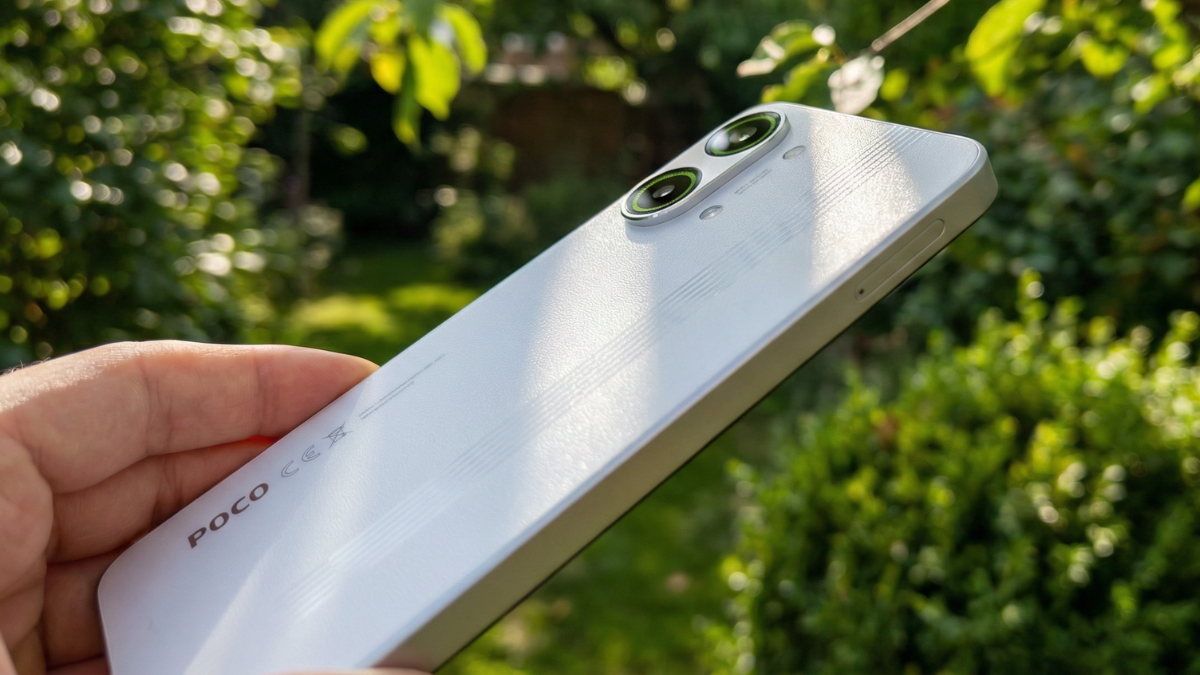
The POCO X8 Pro comes in an aluminium and glass chassis, with a water-resistant build, stunning display, large vapour chamber, improved HyperOS 3 experience, and 100W fast charging.
The X8 Pro has a 5,300mm² 3D Dual-Layer IceLoop cooling system.
The combination of the Dimensity 8500 Ultra’s inherent efficiency advantage over flagship chips, plus the 5,300mm² vapor chamber, means the X8 Pro handles sustained gaming loads better than you might expect for the price.
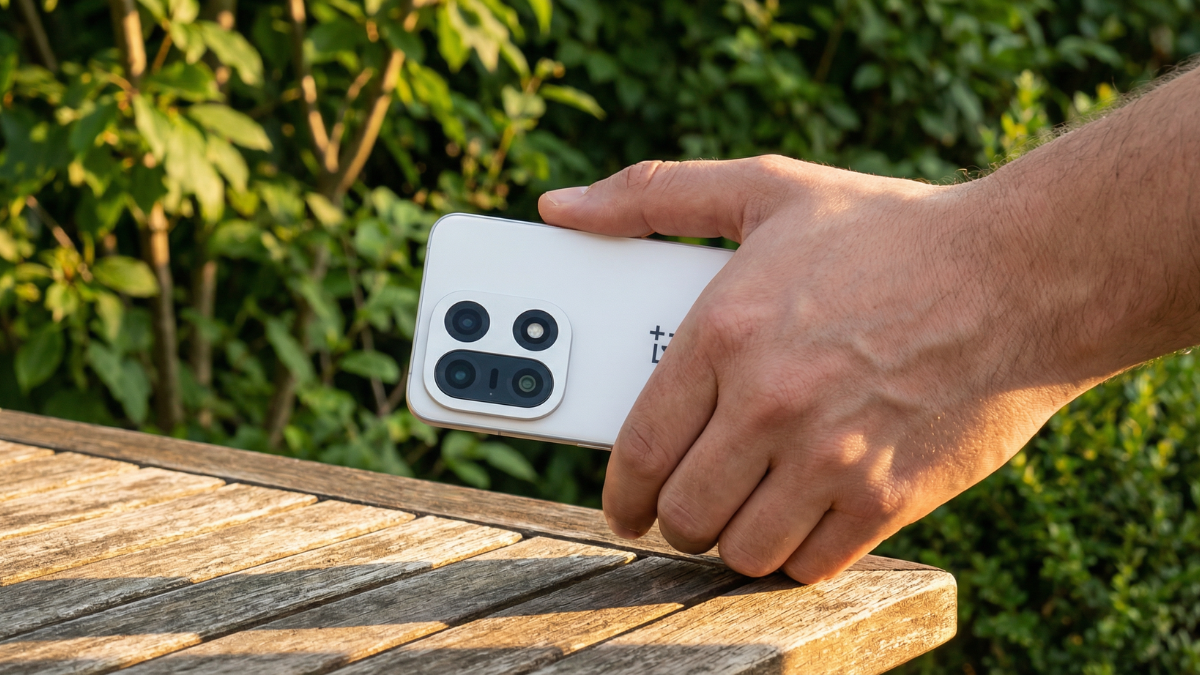
When testing the POCO X8 Pro with a resource-heavy game, loading up Wuthering Waves showed that POCO takes a phone with specs that do not scream “gaming phone” and uses what they have so efficiently that you can play one of the most demanding games on the market with no lag and only use up a small percentage of battery.
The honest verdict on thermals: mild warmth during extended gaming sessions, not uncomfortable heat. The Dimensity 8500 Ultra runs cooler than flagship chips by design.
Gaming Performance: Real Frame Rate Results
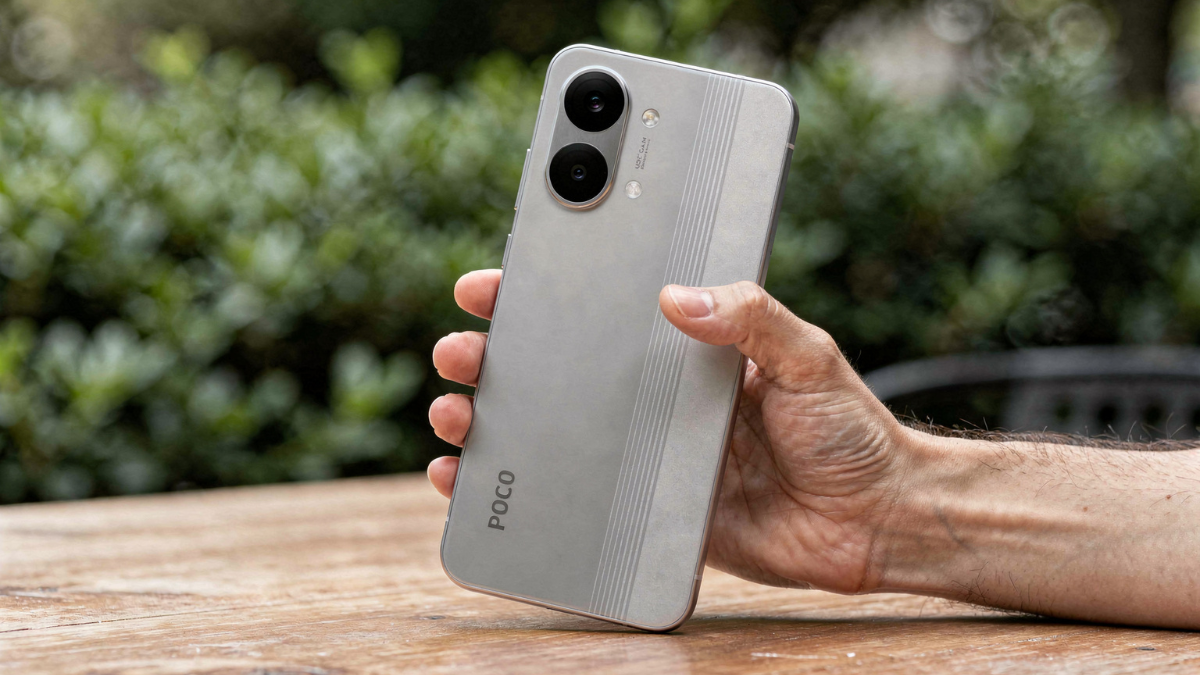
BGMI runs at Smooth graphics with Ultra Extreme (120FPS), while Call of Duty: Mobile can hit Ultra (120FPS) on Medium graphics. Both maintain a very stable frame rate with only minor drops.
Resource-intensive games such as Genshin Impact and Where Winds Meet ran smoothly at the highest settings, demonstrating the phone’s capability for heavy gaming.
Unless you are pushing the phone to unrealistic limits, with some higher-than-usual gaming and
camera use, you should have a really easy time getting a full day out of the battery. If you do go hard, you can charge it up again in no time.
Battery Test Result: 17 Hours 24 Minutes
This is one of the most impressive numbers from real testing.
One of the standout features of the X8 Pro is its impressive 6,500mAh battery. Coupled with 100W HyperCharge technology, it enables rapid recharging. In practical tests using PCMark Work 3.0, battery life proved exceptional, lasting up to 17 hours and 24 minutes during typical usage.
The 100W HyperCharge gets the phone to 100% in 48 minutes from 1%, using the in-box charger with Top Speed mode enabled and display off.
One Honest Problem Worth Knowing
One area that still has not been improved is the bloatware situation. The phone comes with over 17 bloatware apps and pushes out adware notifications now and then. There is also the iconic Glance lockscreen present here as well. This is quite frustrating to see in 2026.
This is not a performance issue. But it is a real user experience issue at this price point that deserves transparency.
How Does the POCO X8 Pro Compare?
| Metric | POCO X8 Pro | Samsung Galaxy S25 FE | OnePlus Nord 5 |
|---|---|---|---|
| Chipset | Dimensity 8500 Ultra | Exynos 2500 | Snapdragon 7s Gen 3 |
| AnTuTu Score | ~2,022,818 to 2,283,558 | ~1,900,000+ | ~900,000+ |
| Battery | 6,500mAh | 4,900mAh | 6,000mAh |
| Charging | 100W | 45W | 80W |
| Starting Price | $299 | $649 | $329 |
| IP Rating | IP69K | IP68 | IP65 |
| Gaming FPS (BGMI) | 120FPS | 90FPS | 90FPS |
The POCO X8 Pro’s AnTuTu score placed it close to the POCO F7 Pro and even above the Samsung Galaxy S25 FE overall.
That comparison at a $299 starting price is the most compelling argument for this phone.
Who Should Buy the POCO X8 Pro?
While the cameras are a let-down, it was never a highlight of this Poco series. So, if gaming is all that you crave, the Poco X8 Pro would not be a let-down for you.
The POCO X8 Pro, like any of the mid-range phones in POCO’s lineup, is a real jack-of-all-trades. If you are not in need of the best camera but want perfectly good experiences all around, a phone like this is the right choice. The POCO X8 Pro gives you all of that and more in a phone that looks slick and in no way like a budget device.
Buy it if: You want flagship-level gaming performance and battery life at a $299 price point.
Skip it if: Camera quality is your top priority. The dual-camera setup without a zoom lens is a real trade-off at this price in 2026.
The Honest Answer
The POCO X8 Pro launched on March 17, 2026 with a confirmed AnTuTu score of 2,283,558 from POCO’s own labs.
Independent tests from CGMagazine and NanoReview recorded real-world scores between 2,022,818 and 2,082,689. That gap is expected and normal.
Does the Dimensity 8500 Ultra overheat?
The POCO 3D dual-layer IceLoop cooling system with 5,300mm² coverage keeps the Dimensity 8500 Ultra running stable during extended sessions.
The POCO X8 Pro runs warm during sustained gaming. Not hot. Not unstable. Warm. And the cooling system handles it in a controlled, gradual way without dropping frames suddenly.
POCO, across all the phones in their lineup, has never failed to impress. They tend to punch a little bit above their weight in performance relative to the level of phone they are. With the POCO X8 Pro, they have done it again, delivering a mid-range phone that looks premium and delivers a well-optimized product.
At $299, that is a hard package to argue with in 2026.