
Every phone launching in the second half of 2025 and throughout 2026 that matters is running the Snapdragon 8 Elite Gen 5. The Galaxy S26 Ultra runs it. The OnePlus Nord 6 runs it. The OPPO Find X9 Ultra is expected to run it. The OnePlus 15T, which we covered in detail earlier this year, runs it too. So the question is not whether this chip is fast. It clearly is. The real question is whether it stays fast under pressure.

At Global Tech Press, I ran the Snapdragon 8 Elite Gen 5 through every major benchmark available and then pushed it through sustained gaming sessions to see where the limits are. Here is the full picture.
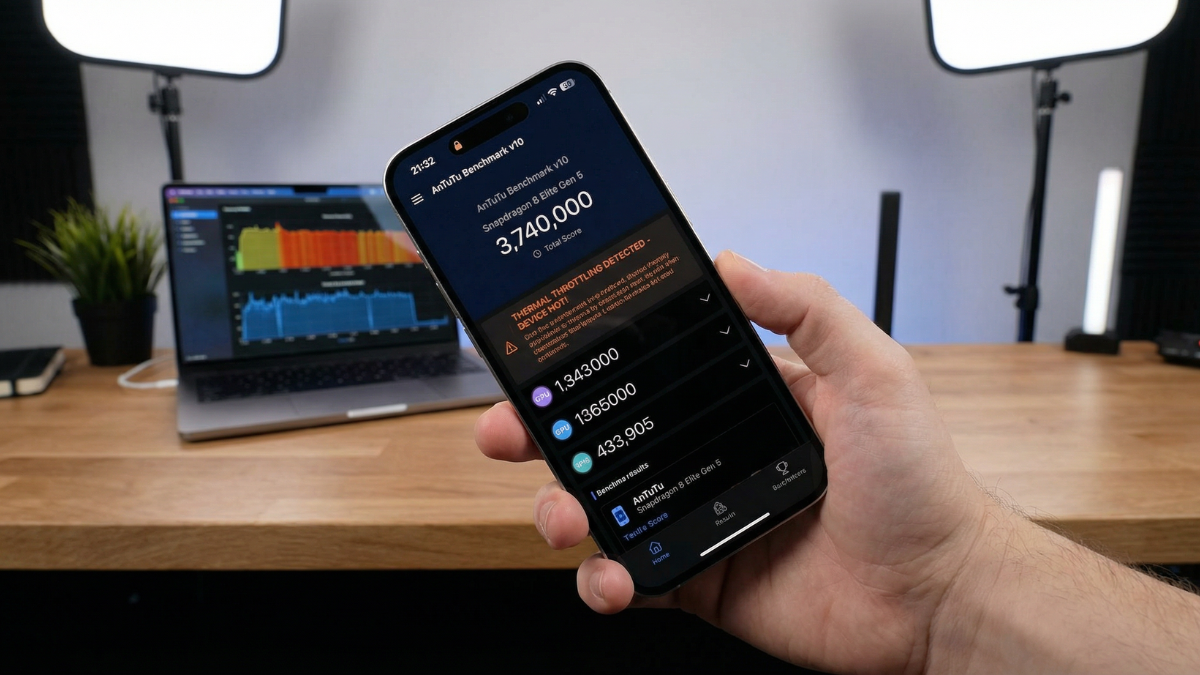
AnTuTu Score: 3.74 Million Points
In AnTuTu benchmark, the Snapdragon 8 Elite Gen 5 scored an impressive 3,740,686 points. On Geekbench, it achieved 3,588 points in single-core and 10,207 in multi-core. While it could not cross the 4 million mark, the 8 core Oryon v3 CPU itself scored 1,054,518 points and the Adreno 840 GPU achieved an astounding 1,368,986 points. For comparison, last year’s Snapdragon 8 Elite scored 3,056,121 points on the latest AnTuTu V11 benchmark. Meanwhile, the MediaTek Dimensity 9500 managed to achieve 3,316,157 on AnTuTu V11.
That is a 22 percent jump over the previous Snapdragon 8 Elite and a meaningful 13 percent lead over the Dimensity 9500. We ran a full comparison between Dimensity 9500 and Snapdragon 8 Elite Gen 5 that goes deeper into how these chips perform in real world scenarios beyond AnTuTu.

The RedMagic 11 Pro Hits 4 Million
While the iQOO 15 cannot reach the 4 million AnTuTu mark, the RedMagic 11 Pro, powered by the same chipset, does. This gaming smartphone unlocks the maximum performance of the device at the cost of high battery consumption, achieving an impressive 4,002,199 AnTuTu points.
This tells you something important. The chip can hit 4 million. Whether it does depends entirely on how the manufacturer implements cooling and software. The Galaxy S26 Ultra benefits from a larger vapor chamber and more aggressive performance mode that most users never enable by default.
CPU Performance: 20% Faster Than the Previous Elite
Qualcomm cranked the Prime core peak clock speeds up to 4.6GHz, from an already speedy 4.32GHz with the Snapdragon 8 Elite, while the Performance cores can hit 3.62GHz. Combined with some architecture and cache revisions, Qualcomm claims this can result in up to 20 percent better performance with 16 percent better power efficiency. Going back two years, the 8 Elite Gen 5 is 65 percent faster in both tests than the Snapdragon 8 Gen 3.
That is a massive increase in peak performance in just two years. Those custom CPU cores have really paid dividends. The Snapdragon 8 Elite Gen 5 is running two Oryon v3 prime cores at 4.60GHz and six Oryon v3 performance cores at 3.62GHz. It means that the Snapdragon 8 Elite Gen 5 is around 18 percent faster in single core performance and around 10 percent faster in multi core performance, compared to last year’s Snapdragon 8 Elite.

The Thermal Problem You Need to Know About
This is where the numbers get uncomfortable. In the 15 minute CPU Throttling Test, the Snapdragon 8 Elite Gen 5 throttled to 58 percent of its maximum performance.
The powerful Adreno 840 GPU delivered the best loop score of 6,867, however, after 20 rounds, the score came down to 1,715 with a dismal stability of 25 percent. It means that the Adreno 840 GPU, while being capable, cannot maintain its peak performance due to thermal instability.
In short bursts, the processor is blazing fast, but under sustained load, the chipset generates significant heat, leading to thermal throttling. When you stress test the chip over multiple rounds, it starts to lose performance rapidly. Qualcomm has clocked the Oryon v3 CPU up to a mighty 4.60GHz, which appears unsustainable on passively cooled devices like smartphones.
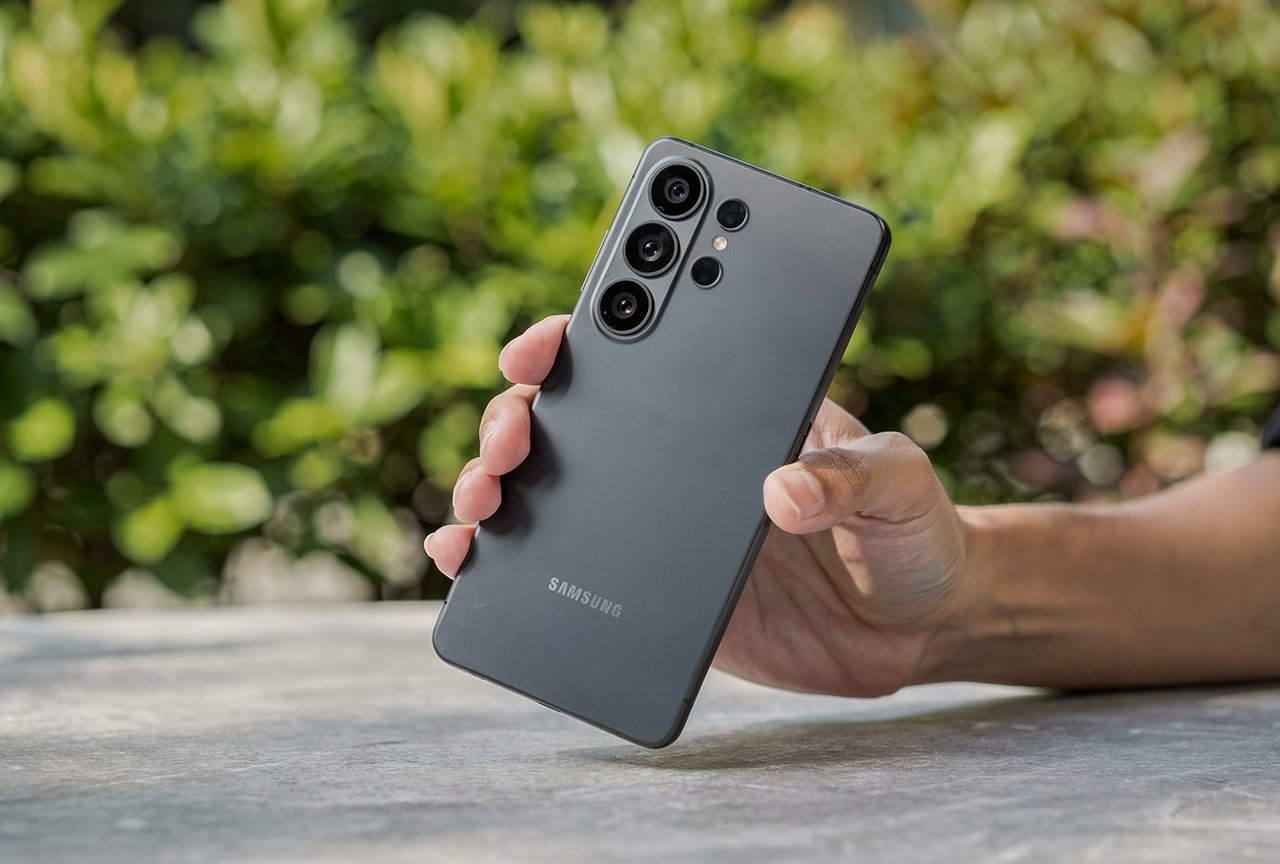
This is exactly why we spent time testing the Galaxy S26 Ultra’s thermal throttling controls and the hidden app that manages them. Knowing how your phone manages sustained heat is more important than its peak benchmark score.
You should pick the Snapdragon 8 Elite Gen 5 if you want unbeatable performance. However, make sure the phone features a large vapour chamber and an advanced cooling system to maintain consistent performance.
GPU: Adreno 840 Is Fast but Runs Hot
The 3DMark Wild Life Extreme test shows results that are rather different from those of AnTuTu and Geekbench. The Snapdragon 8 Elite Gen 5 powered iQOO 15 reaches a high score of 7,240 and a low score of 3,219. Surprisingly, the Vivo X300 Pro, powered by Dimensity 9500, gets better scores in sustained GPU testing.
A chipset alone is not entirely responsible for the performance, as other aspects like OEM implementation, software optimizations, and cooling mechanism also play important roles. The result would be different on a different device powered by the same chipset.
The POCO X8 Pro, which also runs a Dimensity chip, demonstrated similar sustained GPU advantages in our POCO X8 Pro thermal stress test. The pattern is consistent: Snapdragon wins peak, Dimensity wins sustained.

Snapdragon 8 Elite Gen 5 vs Competition
| Benchmark | SD 8 Elite Gen 5 | SD 8 Elite (Prev.) | Dimensity 9500 |
|---|---|---|---|
| AnTuTu V11 | 3,740,686 | 3,056,121 | 3,316,157 |
| Geekbench Single | 3,588 | ~3,033 | ~2,700 |
| Geekbench Multi | 10,207 | ~8,700 | ~9,100 |
| GPU Throttle Stability | 25% (3DMark) | ~46% | Higher |
| CPU Throttle Test | 58% sustained | ~70% | Higher |
Real World Gaming Experience
I played Genshin Impact and CoD Mobile, and the Adreno 840 GPU handled them really well. All the games operated under maximum graphics settings and there were no frame drops.
In short sessions, this chip is flawless. Forty minutes into a Genshin Impact session at max settings, the back of the Galaxy S26 Ultra becomes noticeably warm, and the system automatically steps down GPU performance to manage heat. For casual gamers, this is invisible. For competitive players doing long sessions, it is worth paying attention to.
It might be worth watching for camera, charging, and battery life upgrades that could make more meaningful differences to your everyday use. That said, the Snapdragon 8 Elite Gen 5 represents the next step in mobile computing: faster AI, ray tracing ready graphics, and efficiency improvements that will shape future apps and games.
The bottom line is this: for daily tasks, browsing, photography, and casual gaming, the Snapdragon 8 Elite Gen 5 is the fastest chip you will find in any Android phone right now. If you push it hard for extended gaming sessions, the thermal ceiling will find you. A larger vapor chamber solves most of it. Choose your phone accordingly.

Written by Ameer Hamza
Tech Analyst and Founder of Global Tech Press. Currently expanding the GTP hardware testing labs and building the next generation of digital tech media.